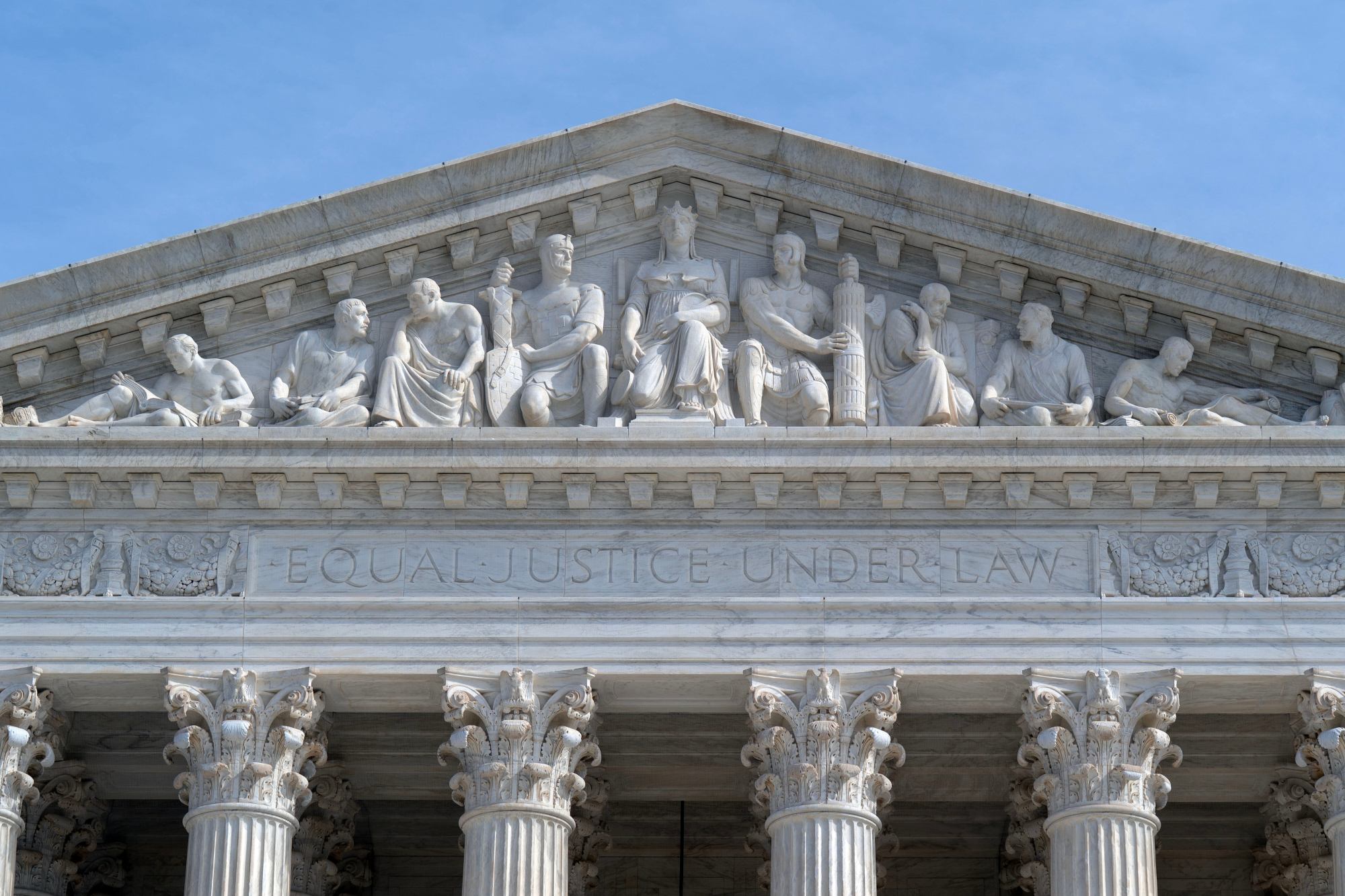
The October 2025 term of the U.S. Supreme Court demonstrated marked political influences. Law Professor William Baude, acknowledging the controversies surrounding Trump’s power use, noted the atypical nature of the court’s decisions. Despite a conservative majority with six members appointed by Trump, the court ruled against Trump in cases concerning birthright citizenship, tariffs, and voting by mail.
Elie Honig, a legal commentator, attributed several 6-3 or 7-2 rulings more to judicial methodology differences than politics. He referenced cases like the National Guard and Mifepristone that went against Trump temporarily, but overlooked cases such as those involving the Voting Rights Act and campaign finance that favored Trump.
Liberal law professor Stephen Vladeck criticized the court’s conservative leaning, comparing it to a firefighter arriving late to contain a blaze it helped set. Vladeck indicated that the term was especially partisan, with most of the court’s decisions favoring the Republican appointees.
Chief Justice Roberts occasionally led a coalition to prevent Trump’s overreach. Key decisions blocked attempts like abusing a tariff statute and altering citizenship definitions. Yet, these close votes were often 5-4 or 6-3, with liberal justices consistently opposing overly expansive presidential power.
A notable case, Trump v. Barbara, reaffirmed citizenship for anyone born in the United States. The close 5-justice majority underscored tensions within the court, highlighting its reluctance to support what some considered unconstitutional actions by Trump.
Justice Roberts defended the majority opinion based on the 14th Amendment, while Justice Alito dissented, critiquing the ruling. This revealed deep ideological divides even within the conservative faction.
Other significant rulings, such as Slaughter, affected long-established precedents. The decision empowered the president with increased control over agencies, raising concerns about political interference. Instances like influencing media depictions illustrate potential future implications.
The case Louisiana v. Callais weakened Section 2 of the Voting Rights Act, enabling actions perceived as racially discriminatory. Such decisions illustrated the court’s tendency to favor Republican interests.
“The Supreme Court supported Republicans and Trump when possible, only checking executive power where absolutely necessary.”
This term arguably expanded presidential power extensively, raising alarms about executive overreach, as highlighted by Justice Sonia Sotomayor in her dissent regarding the Slaughter case.
James D. Zirin, a former prosecutor and legal analyst, reflected critically on the term’s outcomes. The decisions underscored a balance of power leaning significantly towards the executive branch.
Leave a Reply