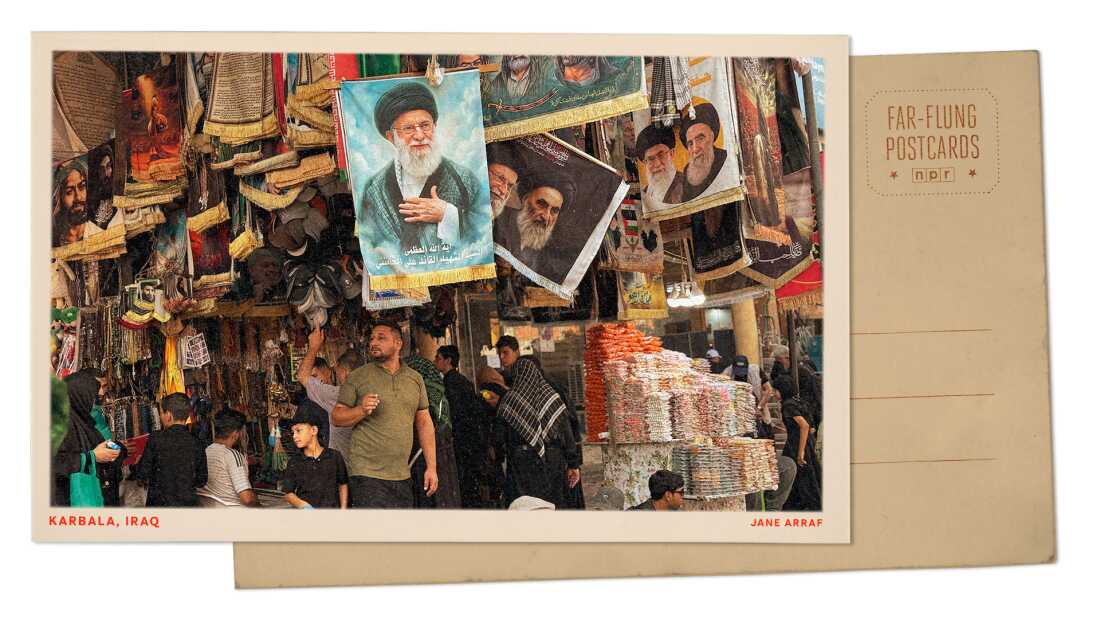
Every year, over 20 million Shia Muslims converge on the small city of Karbala in central Iraq to observe Arbaeen. This event commemorates the martyrdom of Imam Hussein, the grandson of the Prophet Muhammad, which took place 14 centuries ago. It stands as a pivotal moment in Shia Islam.
Pilgrims travel from around the globe to join this commemoration. Despite the intense heat, exceeding 110 degrees Fahrenheit in August, numerous Iraqi and Iranian pilgrims undertake long journeys on foot, walking hundreds of miles in remembrance of Hussein’s sacrifice.
While the occasion marks a somber historical event, the environment surrounding the shrines in Karbala appears lively and communal. Images of Imam Hussein abound, even offered as wall hangings. This year, portraits of Iran’s former supreme leader, Ayatollah Ali Khamenei, who was killed by the U.S. in February, were more prevalent, reflecting his status as a martyr in Iran.
The pilgrimage environment remains distinctly noncommercial. Weeks before Arbaeen, the paths and highways leading to Karbala are adorned with hospitality tents. Volunteers tirelessly prepare and distribute free meals, ranging from bean stew to grilled chicken. The streets are lined with offerings of food and water to all passersby.
Local families extend generous hospitality, opening their homes to pilgrims. This effort fosters a strong sense of community that rejuvenates year after year.
Leave a Reply