As a bodybuilder, I once equated strength with pushing for more—more weight, intensity, and effort. This approach led me to win 13 world titles. But over time, my philosophy evolved to include recovery, adaptation, and perseverance, even when progress becomes challenging. Many people cease striving because pain convinces them to stop before realizing their potential.
At 70, people questioned why I still trained. Now approaching 79, the inquiries have increased, asking if it’s time to rest. Contrary to popular belief, fitness has no endpoint. Not every workout is outstanding; some days, merely showing up is an achievement.
Aging often comes with a narrative: pain and stiffness are inevitable, resulting in a smaller, slower life. I’ve heard this from others and faced it myself through surgeries and replacements for my shoulders, heart, and hip. While aging is difficult, I refused to accept it should limit life.
Post-heart surgeries, doctors advised against heavy lifting. Accepting this was hard for someone accustomed to challenging limits. Returning to the gym required relearning everything. Lighter weights demanded more focus and patience. This experience emphasized the importance of actively resisting limitations.
Some mornings, motivation eludes me, as joints feel heavy and workouts daunting. Yet, I push forward, with inspiration typically arriving midway through activity. Observing people avoid stairs or skip walks due to discomfort demonstrates how gradually, unnoticed, limitations constrain their world.
In my life, I guide individuals of all ages—including a centenarian—on fitness paths using my Pump Club app. Playing with my grandkids tests my mobility. Training ceased to be about appearance, shifting to enabling meaningful activities.
When pain dictates whether you can rise, climb, or engage with loved ones, it threatens your independence. Research supports that consistent physical activity alleviates pain, enhances function, builds strength, and preserves life quality.
For over sixty years, my training has transformed. I now opt for lighter weights, increased repetitions, and shorter rests to maintain intensity. Biking replaced beach runs, and skiing ends halfway through the day. Discipline has been separated from stubbornness.
Today, workouts emphasize control, consistency, and future mobility. My approach has adapted, yet my dedication remains unwavering. A quote I’ve long used, “If you rest, you rust,” rings increasingly true with age.
Never surrender to myths of being beyond recovery. I’ve witnessed Pump Club members aged 60s and 70s shift from lacking bodyweight squats to competing in powerlifting. Research indicates strength can improve even in individuals in their 80s and 90s.
Honest discussions on aging and longevity are crucial. Movement isn’t restricted to youth or absence of pain; it’s vital for life maintenance, preserving independence and resilience, and enabling cherished pursuits.
This embodies a genuine comeback.
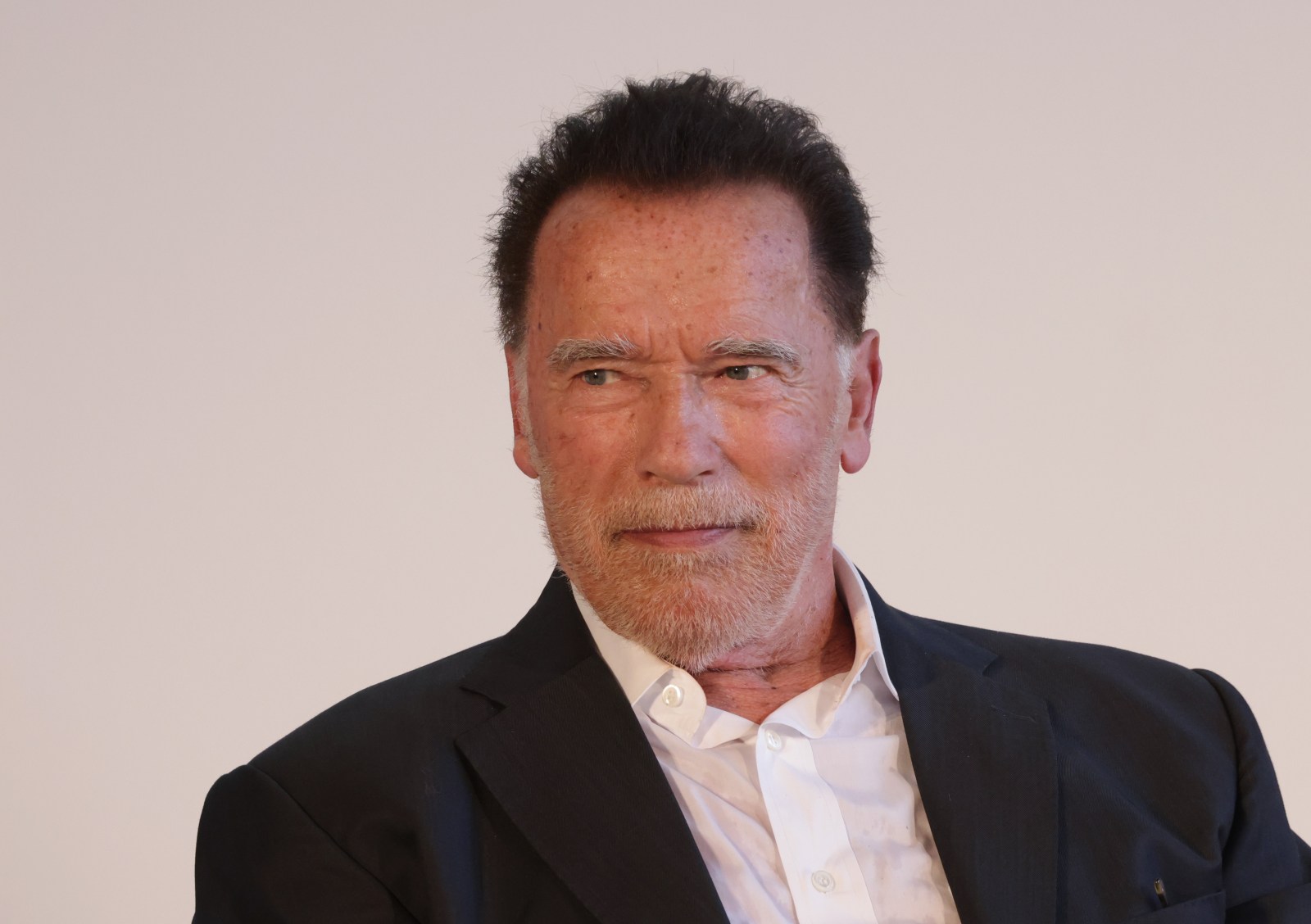
Arnold Schwarzenegger, renowned as a professional bodybuilder, actor, and former California governor, advocates for fitness and public health, serving as Chief Movement Officer at Zimmer Biomet.
Leave a Reply