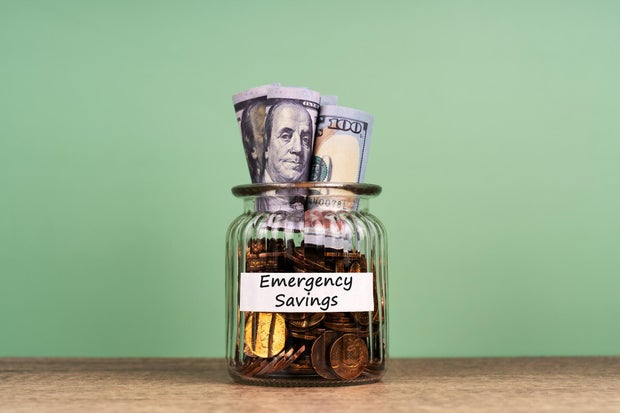
In today’s economic environment, managing debt alongside building an emergency fund is crucial. Many Americans are dealing with increased financial stress due to inflation, which raises the cost of essentials. This situation forces many to use credit cards to cover basic expenses. Unfortunately, high credit card interest rates make borrowing increasingly stressful.
Impact of Growing Debt
A recent study by Achieve shows the serious effect mounting debt has, both financially and emotionally. Borrowers experience ongoing stress related to their debt and monthly costs. While aggressively paying down debt can be beneficial, only focusing on repayment may lead to reliance on credit cards again when unexpected expenses occur. Achieving a balance between debt repayment and emergency savings is usually more effective.
Emergency Savings Recommendations
The typical recommendation for emergency savings is three to six months of living expenses. However, this standard is mostly for those not handling high-interest debt. For individuals actively paying down debt, it is wise to start with a small emergency fund of $1,000 to $2,500. This approach allows for a financial buffer for unexpected disruptions without significantly slowing debt repayment.
Your specific circumstances also influence how much you should save. If your income is inconsistent or you are self-employed, more savings might be necessary. Homeowners might need a larger fund due to potential costly repairs. On the other hand, renters with stable jobs might manage with less.
Considering Debt Type
The nature of your debt affects your emergency savings strategy. High-rate credit card debt often demands aggressive repayment with minimal emergency savings. In contrast, debts like federal student loans or low-rate auto loans are less urgent, allowing for more focus on savings.
Debt Relief Options
For some, traditional repayment models aren’t feasible, especially if minimum payments consume a large part of your income. In such cases, exploring debt relief options can be beneficial. Debt consolidation can lower interest rates and simplify payments, freeing up money for savings. A debt management plan through a credit counseling agency could also lower rates and provide a structured repayment schedule.
Debt relief may be appropriate for significant debt burdens, where negotiating settlements with creditors is helpful. Though bankruptcy is an option, it has serious credit implications. Consulting with a debt relief expert or certified credit counselor can guide you through choosing the best course based on your financial condition.
Your objective remains clear: achieving financial stability where debt is manageable, and you can build resilience through savings.
Conclusion
No universal rule exists for emergency savings when paying off debt. A starter fund of $1,000 to $2,500 is often sufficient for minor setbacks without hindering debt repayment. If your debt seems overwhelming, considering debt relief strategies may be necessary.
Leave a Reply