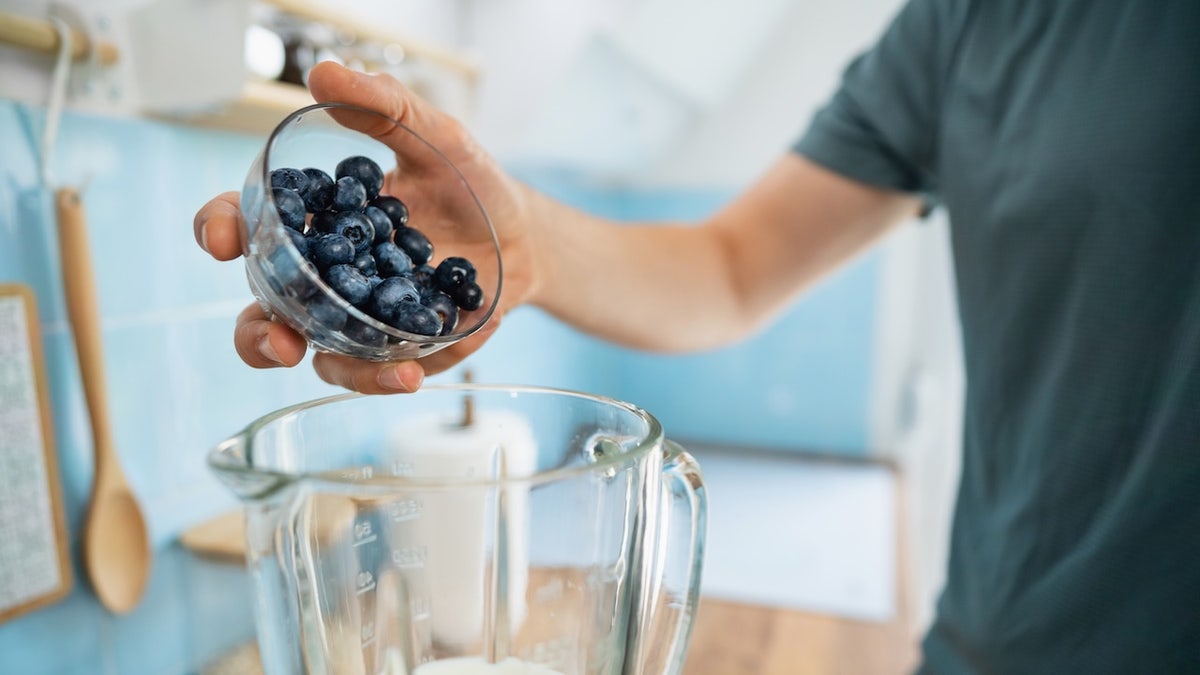
Bananas are a popular choice in smoothies, yet a viral video has sparked a discussion about their impact on the nutritional value of other ingredients like blueberries. In July, Dr. Rhonda Patrick, a biomedical scientist at the helm of FoundMyFitness, illustrated her method for crafting smoothies during an episode of the ‘Mel Robbins Podcast.’ Her smoothies omit bananas. Patrick highlights that bananas possess polyphenol oxidase (PPO), an enzyme with the potential to degrade polyphenols, which support gut, heart, and brain health. PPO is also the culprit behind fruits browning once cut.
Recent research hints that adding a banana to a blueberry smoothie may lower the absorption of beneficial polyphenols from the berries. The presence of polyphenol oxidase in bananas is attributed to this effect. Conversely, Patrick advocates using avocado in place of banana for a creamy texture, boasting 95% less sugar while introducing additional vitamins and monounsaturated fats. Such fats can enhance the uptake of carotenoids, including lutein and zeaxanthin, found in kale added to smoothies.
The study Patrick mentions appeared in the 2023 edition of the journal ‘Food & Function’ and assessed nutrient absorption in a group of eight healthy males. The participants consumed either a banana smoothie, a berry blend smoothie, or took flavan-3-ol capsules with milk on different days. Results indicated that the banana smoothie achieved a peak polyphenol level about 84% lower compared to the flavan-3-ols capsule.
Despite the study not testing a banana-blueberry mix, findings imply bananas might diminish the advantages of foods abundant in flavan-3-ols. Ilana Muhlstein, a registered dietitian in Los Angeles, described the study’s results as ‘interesting’ but emphasized they don’t paint a complete picture. She pointed out that the study’s small sample size and lack of repeat tests suggest bananas shouldn’t be outright dismissed based on limited evidence.
In response to debates surrounding her claims, Patrick clarified online that while bananas are nutritious, adding them to blueberry smoothies could reduce some polyphenols from the berries. Muhlstein, alongside holistic nutritionist Robin DeCicco, echoed a similar sentiment. They stressed the unique nutritional needs of individuals, emphasizing that not all beneficial compounds in blueberries vanish with the inclusion of bananas.
DeCicco advised consulting a healthcare provider before mimicking nutrition advice found online, noting the broader issue lies in America’s inadequate consumption of nutrient-rich produce, not bananas themselves. To optimize polyphenol consumption in smoothies, nutritionists suggest replacing banana with frozen zucchini, avocado, or Greek yogurt.
DeCicco offered simple smoothie recipes to try at home:
- Low-sugar, high-protein smoothie (without banana)
- Unsweetened organic almond or soy milk
- 1/2 to 1 cup organic frozen berries
- Vanilla unsweetened plant protein powder
- 2 tablespoons ground flaxseed
- 1 to 2 tablespoons all-natural organic nut/seed butter
- Several handfuls of organic mixed greens or chopped zucchini
- Cinnamon, vanilla/almond extract to taste
- Low-sugar, high-protein smoothie (with banana)
- Unsweetened organic almond or soy milk
- 1 ripe banana
- Unsweetened, plain Greek or Icelandic yogurt
- 1/2 ripe pear or apple with skin
- 2 tablespoons ground flaxseed or chia seed
- Several handfuls of organic leafy greens
- Optional: collagen for additional protein
- Organic cinnamon, vanilla extract to taste
Successfully replacing processed foods with fruits, such as bananas and berries, remains crucial for a healthier diet. Understanding individual health journeys and nutritional needs ensures better personalized dietary choices.
Leave a Reply