The ongoing conflict between Iran and the United States, alongside the U.S. military operation to capture Venezuelan President Nicolás Maduro, has unfolded in the usual framework of warfare—troops, strategies, losses, and expenses. However, a novel aspect has emerged: betting on war.
In recent years, over a billion dollars have been wagered online on military decisions and their outcomes.
Globally, individuals have engaged in betting as if it were a sport or entertainment awards, speculating on the timing and nature of attacks, even the destinies of world leaders. This phenomenon has sparked a new category of insider trading.
Insider profiteering during conflicts isn’t new, but the scale and method are unprecedented. U.S. Special Operations forces captured Venezuelan President Nicolás Maduro on January 3rd, taking him to the U.S. to face drug and terrorism charges. Within this operation, a U.S. Army soldier, Gannon Ken Van Dyke, faced allegations of using classified intelligence to bet on the timing of the raid.
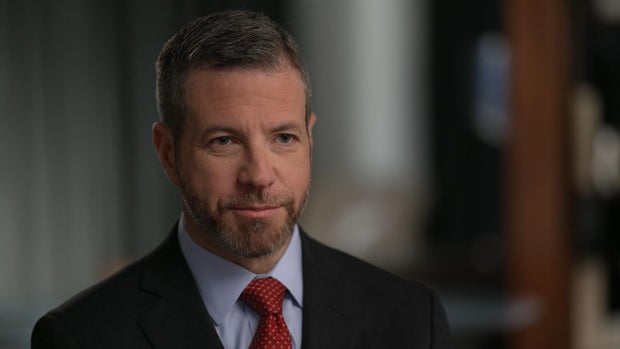
Rob Schwartz, a private lawyer and former Commodity Futures Trading Commission employee, highlighted the seriousness of these allegations, focusing on the rare use of classified intelligence for trade. Van Dyke, accused of placing bets totaling around $34,000 and earning over $400,000, attempted to erase his betting account on Polymarket.
The Justice Department’s charges against Van Dyke, who pled not guilty, represent one of the clearest examples of insider trading based on military intelligence. Despite being prohibited in the U.S., military wagers continue via online methods.
Michelle Kendler-Kretsch of the Anti-Corruption Data Collective analyzed Polymarket bets on military outcomes, finding that long-shot bets often succeed more frequently than expected, suggesting systemic insider trading.
A similar pattern was found in Paris, where Nicolas Vaiman’s analytics firm Bubblemaps detected dubious betting patterns relating to U.S. military operations. Despite transparency in trades, the anonymity of traders shields participants, leading to hidden insider trading.
Moving beyond modern online prediction markets, traditional commodities markets are also suspected of exploitation through wartime bets. David Kovel, a former trader turned lawyer, describes suspicious trading activity during critical war events. A massive investment in oil futures before a public announcement affected market prices, suggesting probable insider trading.
Journalists are also targeted due to the influence their reports might have on betting outcomes. Emanuel Fabian from the Times of Israel faced threats over his coverage of an Iranian missile strike, highlighting the pressure applied when large sums are at stake.
The Commodity Futures Trading Commission (CFTC), traditionally overseeing food prices, finds itself regulating this burgeoning area of concern. However, enforcement has decreased due to staffing shortages under the leadership of Michael Selig.
Sources in the financial and defense sectors worry that today’s insider trading scandal could evolve into a national security risk. Monitoring illegal trades could reveal sensitive military plans to adversaries.
Since public exposure of these activities, further cases have emerged, such as a Google software engineer profiting from insider knowledge. Legal proceedings continue as governments and regulatory bodies grapple with this complex challenge.
The story highlights the constant evolution of risks associated with insider trading and the ensuing implications for national security and market integrity.
Leave a Reply