Jennifer Siebel Newsom, rejecting the term ‘first lady’ in favor of ‘first partner,’ sought to break traditional gender stereotypes. Her move highlighted a shift as no wife of a U.S. president had formally adopted such a title. Many spouses in similar roles expressed reservations about these expectations.
Maria Shriver’s response was notable when Arnold Schwarzenegger became governor in 2003. Although initially resistant to the role of first lady, she leveraged her position to make substantial contributions. She focused on revitalizing the state history museum, organizing the Women’s Conference, and aiding low-income families during a recession. Despite initial reluctance, Shriver later described it as the best job she ever had.
Anne Gust Brown, married to Edmund G. ‘Jerry’ Brown, maintained a low profile, preferring to support behind the scenes. With legal expertise, she was an unpaid aide in her husband’s campaigns, yet she didn’t embrace the first lady title, finding it challenging to connect with.
The role of America’s first ladies comes with intense scrutiny. Martha Washington, the original first lady, was hesitant about her duties as a hostess and felt confined by her role. She acknowledged the importance of disposition over circumstances in achieving happiness or misery.
Jacqueline Kennedy, upon entering the White House, preferred being addressed as Mrs. Kennedy, rejecting the ‘first lady’ title, which she likened to a saddle horse. Historically, exceptions to traditional roles have included figures like Eleanor Roosevelt and Hillary Clinton.
Eleanor Roosevelt, during her husband’s presidency, assumed active political roles, becoming his ‘eyes, ears, and legs.’ Her activities included visiting war zones and writing extensively. Despite criticism, she persisted, focusing on her commitments.
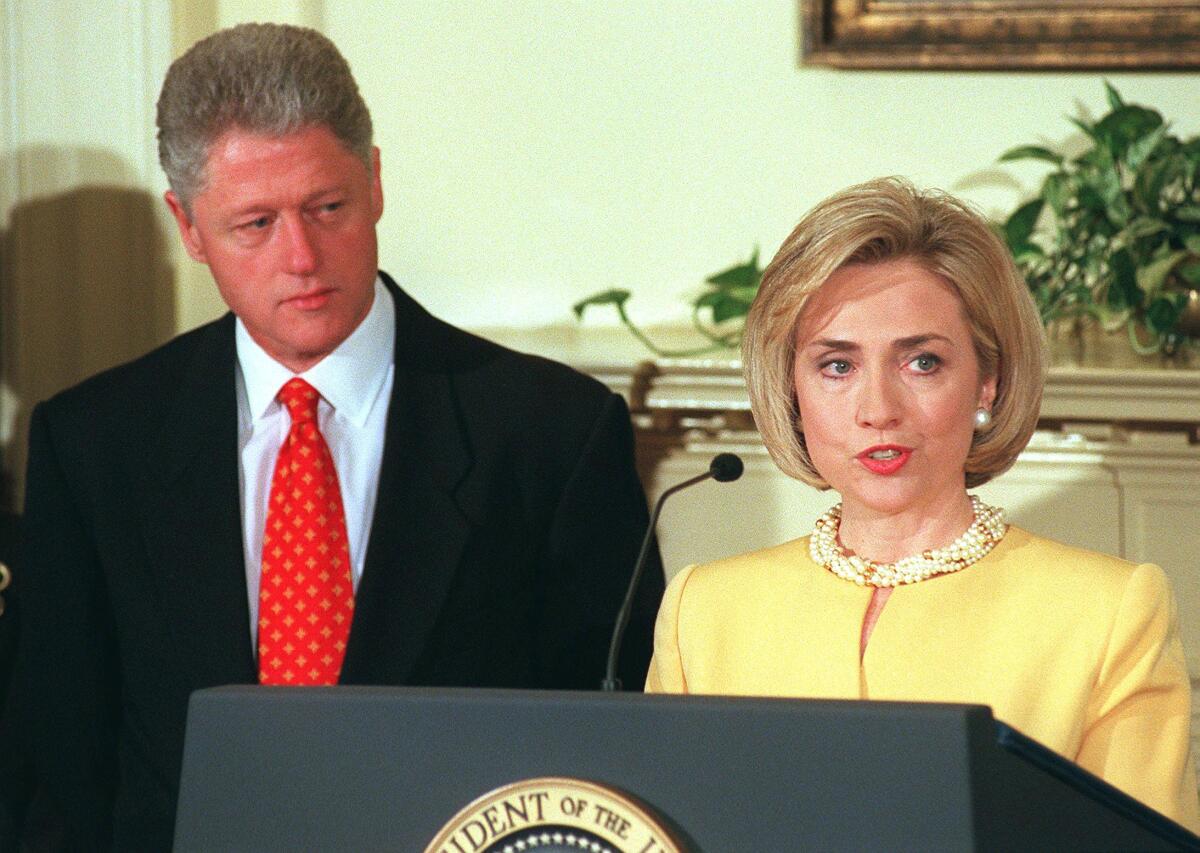
Hillary Clinton, tasked by her husband to develop universal healthcare, faced backlash. Her significant policy role sparked controversy amidst scandals, and she often faced criticism for stepping beyond traditional expectations.
Laura Bush was more traditional, concentrating on literacy. Michelle Obama addressed issues like healthy eating, encountering challenges of racism and sexism. She, like others before her, dealt with the complexities of her role.
Jill Biden brought a new dimension by continuing her career as a teacher, representing how the role evolves as women and LGBTQ+ figures take leadership positions. This shifts expectations for spouses, demonstrated by Doug Emhoff’s role as second gentleman.
Siebel Newsom’s choice to identify as ‘partner’ garnered potential for additional scrutiny, according to experts. The title reflects changing roles, though Perry suggests it may face resistance, particularly in Middle America, due to associations with broader gender issues.
Walsh emphasized ongoing changes in expectations as spouses pursue their own careers alongside their partners’. This evolution of the role remains subject to public opinion and criticism.
Leave a Reply