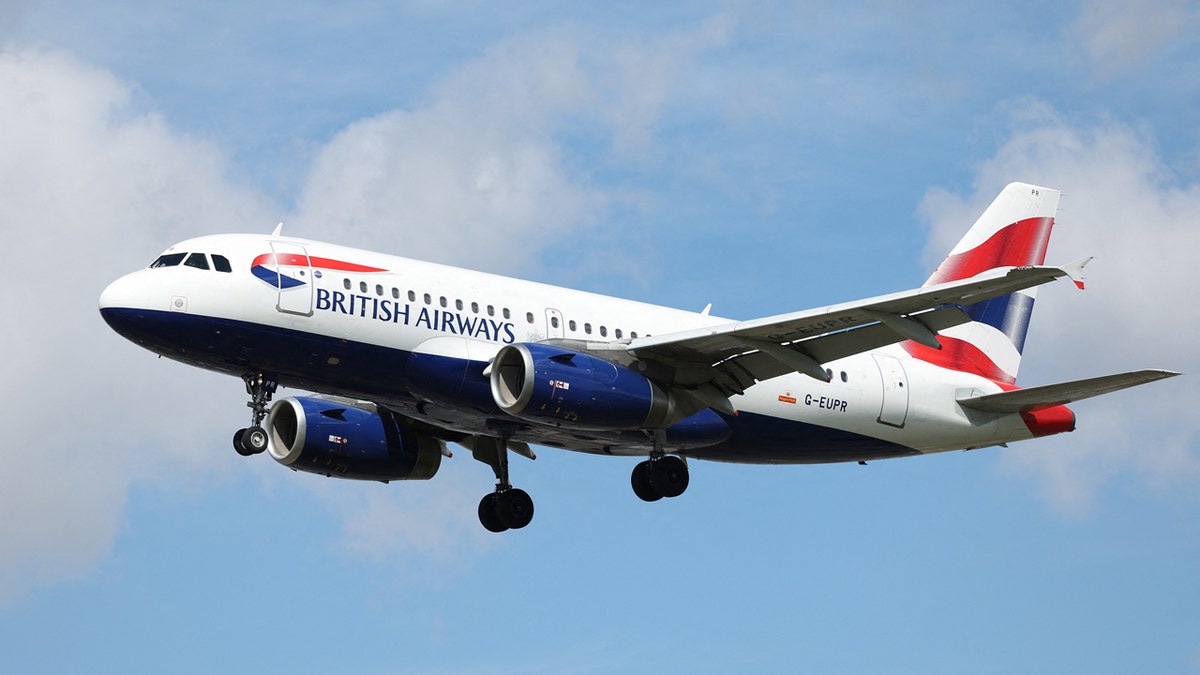
A British Airways flight from London to Chicago had an abrupt altitude change shortly after takeoff. The Boeing 777 quickly descended from approximately 27,000 feet to about 9,000 feet because of a technical issue. The plane spent several hours circling in the air before safely landing back at Heathrow Airport.
Emergency Descent and Safety Measures
A British Airways spokesperson confirmed the plane returned safely to Heathrow. They emphasized that customer and crew safety is paramount, ensuring the aircraft landed safely after encountering the issue. Passengers were able to disembark normally, and efforts were made to get travel plans back on track.
The flight’s maneuver was visible on FlightAware, a flight-tracking site. It showed the aircraft turned back towards London but remained airborne for hours, circling over England before landing.
The flight pattern indicated an emergency descent, which is standard following a possible pressurization problem.said Matthew “Whiz” Buckley, a retired U.S. Navy pilot who analyzed the situation.
Lowering the aircraft below 10,000 feet mitigates the need for oxygen masks if cabin pressure is lost.
Managing Aircraft Weight
Buckley explained that aircraft at the start of a transatlantic flight carry significant amounts of fuel. This requires reducing the plane’s weight before landing, either by burning off fuel while circling or dumping it if necessary. Heavy landing can increase the stress on aircraft gear and brakes.
The pilots must measure the condition of their aircraft and choose the safest action plan before landing. Ensuring one problem does not lead to another is key.
Leave a Reply