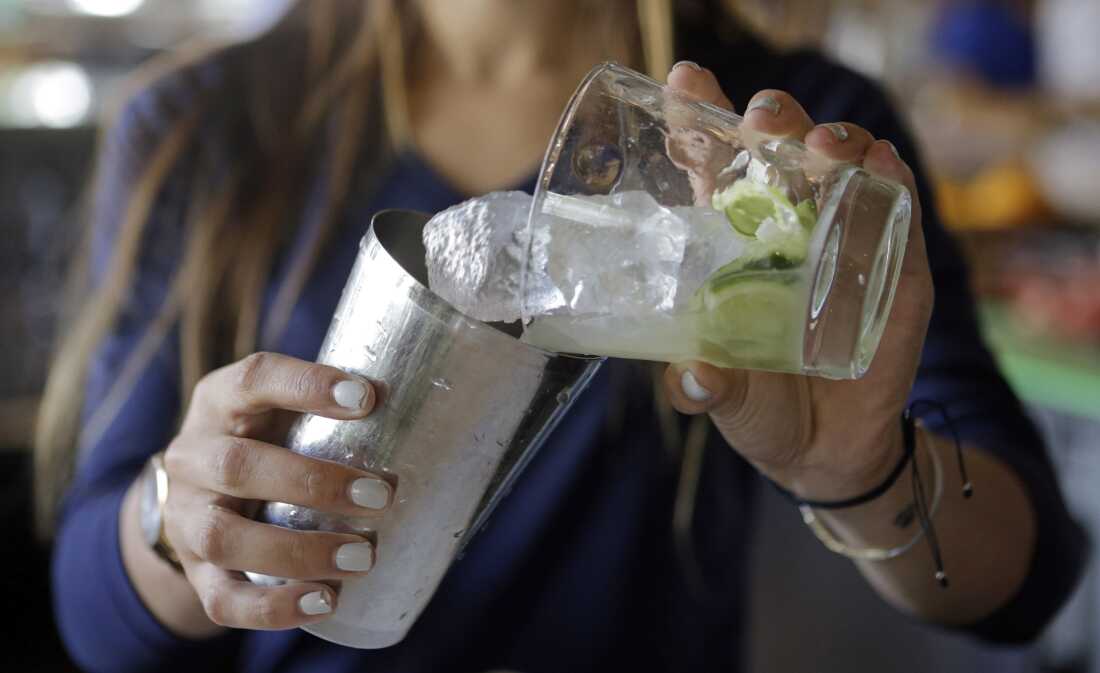
Bartender Rafaella Demelo expertly mixes sugar, 1.5 ounces of Leblon, and a squeeze of lime over ice for a classic Brazilian caipirinha. This cocktail’s popularity now coincides with a broader opportunity for Brazil’s cachaça industry.
The Trump administration’s tariffs may have achieved what diplomacy did not: fostering stronger ties between Europe and South America. This progression benefits Brazil’s cachaça producers significantly. “I think growth will be immense,” remarked distiller Assja Schymura from Pindorama. The new trade dynamics offer them a doorway to European expansion, provided they overcome foundational hurdles.
Cachaça is a sugarcane-based spirit, crucial to Brazilian cocktails, yet it has remained a niche product in Europe due to import taxes and limited recognition. With the European Union and Mercosur’s recent trade agreement, which reduces tariffs on various products, that situation might change. Brazil joins other South American countries like Argentina, Uruguay, and Paraguay in this pact, anticipating Bolivia’s full participation soon.
After enduring U.S. tariffs, both regions collaborated to expedite the trade deal. “Unpredictable relations with the U.S. encourage seeking new partners,” explained Brazilian trade expert Roberto Jaguaribe. The EU-Mercosur agreement extends beyond commerce, emphasizing democratic principles and climate commitments, reinforcing bonds as Washington distances itself under Trump’s tenure.
At a Brazilian conference on EU-Latin America relations, Finnish diplomat Anna-Kaisa Heikkinen emphasized aligning around a rules-based order.
Some challenges remain, however. European agriculturists express concerns over potential market disruptions, having escalated to the EU Court of Justice, where a verdict is expected in the coming years that could modify the agreement.
Yet Mercosur’s trade aspirations extend further. It has actively pursued agreements with other nations, including a pact with four non-EU countries, alongside discussions involving Canada, Japan, and the UAE. This proactive stance marks a shift for high-tariff Brazil, inspired by recent global and economic pressures.
“This signals a pivotal change in Brazilian trade policy,” noted former Brazilian official Larissa Wachholz. She anticipates a departure from complete protectionism, promoting openness in trade discussions.
For Pindorama’s directors, financial benefits are just the start. They see an opportunity to educate the world about Brazil. “People often associate Brazil solely with carnival,” says creative director Rafael Daló. He believes that exploring their cachaça invites a deeper understanding of the unique Brazilian landscapes where it originates, offering a broader narrative.
Leave a Reply