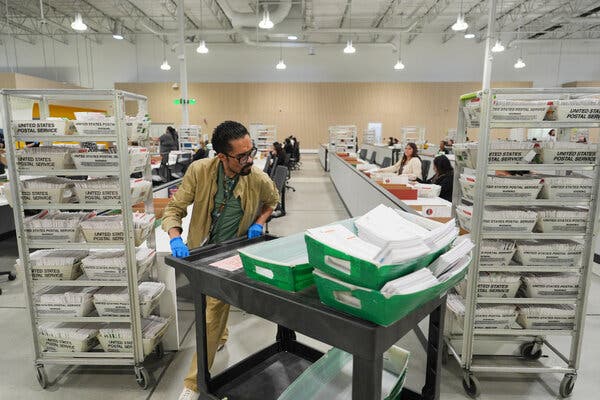
In the days following California’s primary election, officials face challenges as they continue counting votes. Four days post-election, only about two-thirds of votes are tallied, leaving key races, including those for governor and Los Angeles mayor, unresolved. This delay can perplex many Americans and exposes the Democratic state to baseless accusations of fraud by Republicans.
Why the Delay?
California’s reliance on mail-in ballots contributes significantly to the slow vote count. Each ballot requires signature verification, envelope opening, and thorough inspection before counting. This careful process aims to ensure voting ease and secure elections, but when voters submit ballots closer to Election Day, it overwhelms election offices with a surge of envelopes.
It creates what we call the ‘pig-in-the-python’ effect,says Kim Alexander, president of the nonpartisan California Voter Foundation, describing the large influx of last-minute mail-in ballots.
Comparison to Other States
States like Colorado, Arizona, and Washington also heavily utilize mail-in voting but have found ways to process and count ballots more efficiently. Their systems suggest that improving speed in California would require not only more resources but potentially revising rules that impact voting access.
What Could Change?
Experts propose that expediting the count in California involves balancing additional resources and considering adjustments to existing election protocols. These adjustments could include earlier deadlines for mail-in ballot submissions to avoid the last-minute influx that currently strains the system.
Ultimately, the debate continues on how California might adapt to ensure quicker election results while maintaining the integrity and accessibility of the electoral process.
Leave a Reply