In an effort to save a deteriorating telescope, a three-armed spacecraft launched on Friday toward orbit from the Marshall Islands in the Pacific. The mission aims to rescue NASA’s Swift Observatory, which faces the risk of falling to Earth due to rapidly decreasing altitude. Northrop Grumman deployed the Link spacecraft from Katalyst Space Technologies. The...
Category: Science
Spacecraft Launches to Rescue NASA Telescope at Risk
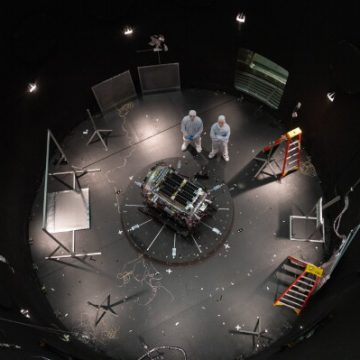
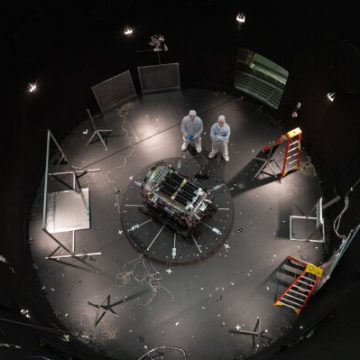
CAPE CANAVERAL, Fla. (AP) — A spacecraft with three arms launched into orbit to rescue a NASA telescope at risk of crashing to Earth. Northrop Grumman sent Katalyst Space Technologies’ Link spacecraft into space from the Marshall Islands. The launch occurred using a Pegasus rocket fired from a modified airplane, aiming to reach and capture...
What Distinguishes Hawaii’s Erupting Volcanoes
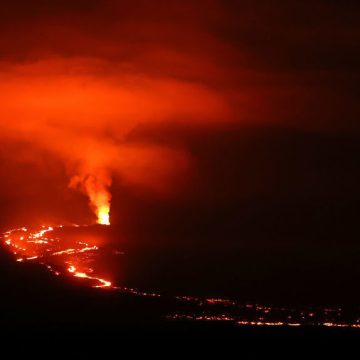
Following Thanksgiving, Hawaii’s Mauna Loa volcano erupted, marking its first activity in nearly 40 years. Mauna Loa is not only a prominent feature on the island but is also the largest active volcano worldwide. Alongside Mauna Loa, Hawaii is witnessing eruptions from Kilauea, as well as Indonesia’s Mount Semeru. These events provide a unique opportunity...
Chance to View Northern Lights Over July 4 Weekend
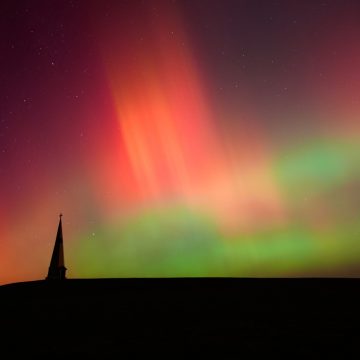
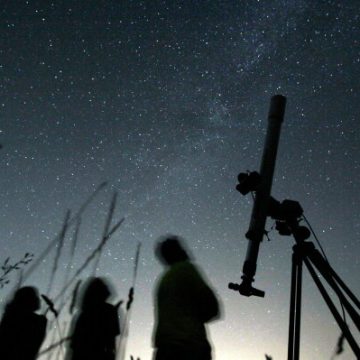
Forecasters predict that some might witness the northern lights on Friday. NOAA’s Space Weather Prediction Center (SWPC) has been observing two significant sunspot groups. One of these spots caused a solar flare of X1 strength, according to Shawn Dahl, a service coordinator with the SWPC. The ‘X’ classification is the highest for solar flares, with...
Exploring The BMJ’s Christmas Edition with Unique Research
Celebrating Christmas in July might seem out of the ordinary, but for researchers and readers of The BMJ, it’s a time to delve into unique studies. The BMJ’s Christmas issue, renowned for its mix of fun and intriguing research, presents thought-provoking questions and analyses annually. The Origin and Significance of The BMJ’s Christmas Issue The...
Could Life Begin in Hydrothermal Vents?
In the depths of cold, dark oceans, life thrives near hydrothermal vents. Scientists are deeply interested in understanding how life on Earth began. This remains a significant scientific puzzle under active investigation. Host Regina G. Barber spoke with many scientists and discovered a common belief: the abundance of water on Earth likely plays a crucial...
Rare Dinosaur Fossil from Antarctica Identified Decades After Discovery
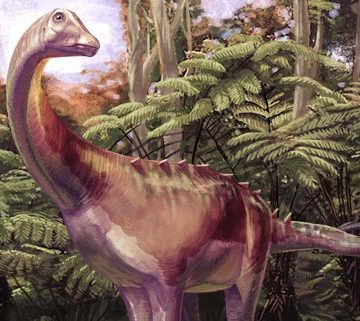
Scientists have unearthed a rare dinosaur fossil from Antarctica, which had been hidden away for decades in storage. The fossil, originating from the tail of a long-necked herbivorous dinosaur termed a titanosaur, remains unclassified at the species level. It was initially discovered in 1985 on James Ross Island by geologist Mike Thomson, during an expedition...
Science Funding: America’s Tradition Since Lewis and Clark
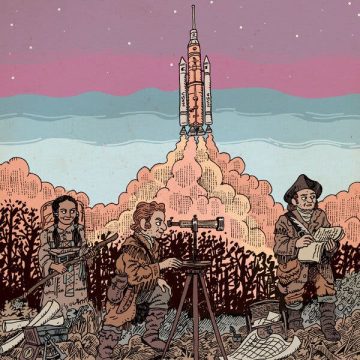
In recent years, the U.S. has witnessed significant financial cuts to scientific research. Last year, the Trump administration paused or canceled 7,840 research grants, affecting scientists mainly funded by the National Science Foundation and the National Institutes of Health, as reported by the journal Nature. Each week seems to introduce new proposed reductions to agencies...
NASA Rescues Aging Space Telescopes
The U.S. space agency, NASA, is embarking on a significant mission to save an aging space telescope decreasing in altitude. The operation, valued at $30 million, involves sending a robotic lifeline into space to help the Swift Observatory maintain its orbit. The startup Katalyst Space Technologies has been commissioned by NASA to elevate the observatory’s...
NASA’s Urgent Rescue Mission to Save the Swift Observatory
Location: Cape Canaveral, Florida NASA is making urgent efforts to prevent the aging Swift Observatory from crashing back to Earth. The agency has embarked on a $30 million initiative to push the telescope to a higher orbit. This operation, involving a robotic aid, may commence this week with a launch from the Pacific’s Marshall Islands....