Throughout the 2010s and early 2020s, there was a predictable approach for celebrities facing public backlash. Criticism would prompt an apology, followed by a managed interview, some time away from the public eye, and a hopeful rebranding. Grayce McCormick, founder of Lightfinder PR, explained to Newsweek that reputation recovery traditionally followed a sequence aimed at demonstrating remorse and change. Redemption tours became routine for celebrities and politicians trying to regain support.
Recent instances, however, indicate this formula may be losing its effectiveness. Some public figures now confront criticism without engaging in typical rehabilitation efforts, yet still thrive professionally.
Changes in Reputation Management
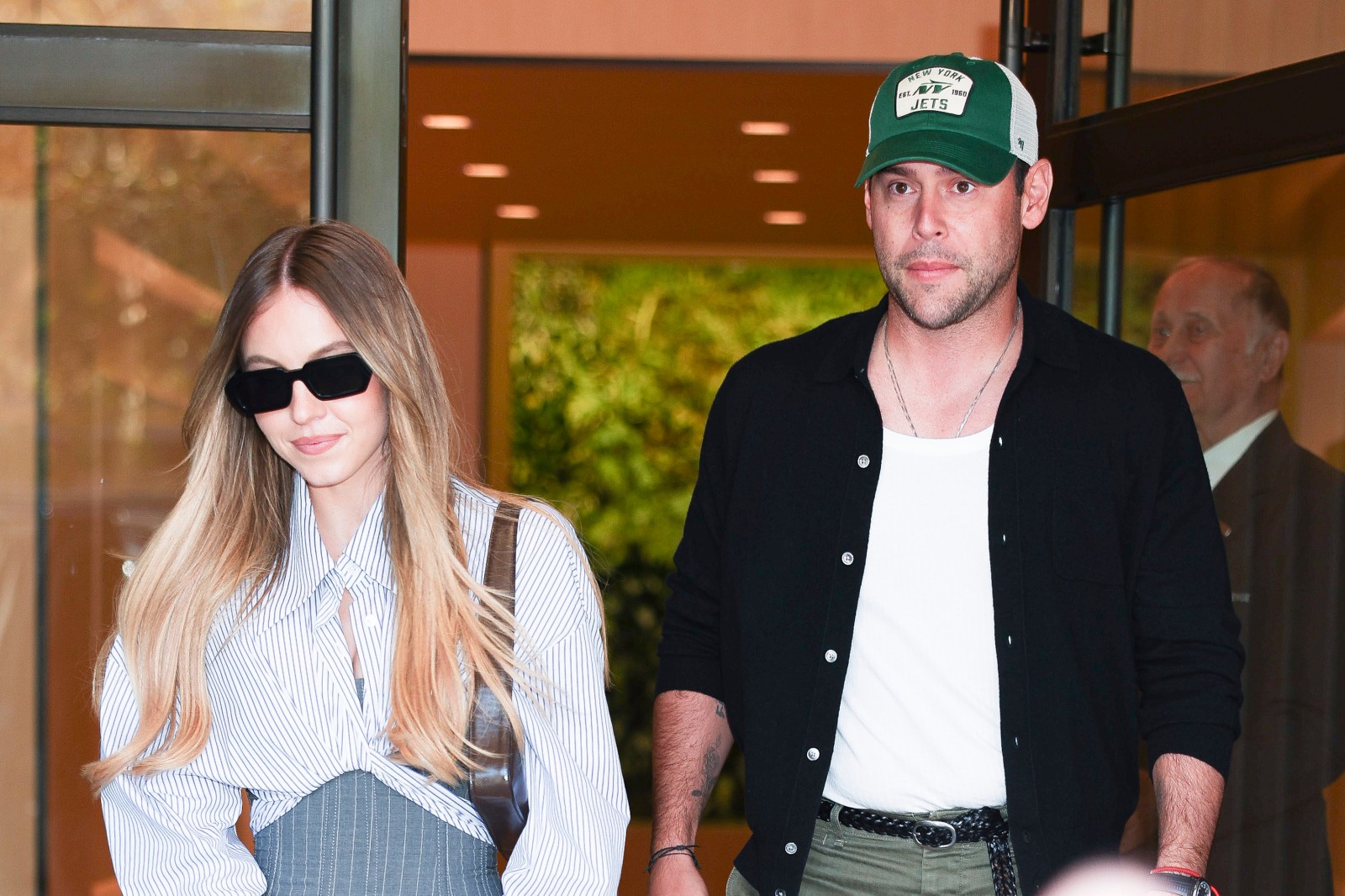
In 2026, has the approach to public critique shifted? McCormick pointed out that the earlier belief was to speak first to control the narrative. Nowadays, certain public figures seem more inclined to ignore backlash, focusing instead on maintaining support from their core fan base. Actress Sydney Sweeney and former talent manager Scooter Braun exemplify this shift. Despite significant criticism in recent years, both have avoided traditional redemption campaigns. Their commercial influence remains strong.
Sydney Sweeney and Scooter Braun’s Approach
Sweeney and Braun reportedly met in June 2025 at the wedding of Jeff Bezos and Lauren Sánchez before confirming their relationship. Sweeney recently finished her role as Cassie in HBO’s Euphoria and continues as the face of American Eagle, despite controversies. Though she often sparks online debate, her commercial appeal is unwavering.
Braun gained prominence managing artists like Justin Bieber and Ariana Grande before acquiring Big Machine Records in 2019, owning Taylor Swift’s master recordings and facing criticism. In an interview on the Second Thought With Suzy Weiss podcast, he characterized himself as “a villain” from not knowing Swift personally. Braun’s association with Sweeney has raised his profile even after stepping back from public life. Both continue drawing criticism, yet remain silent.
This success prompts questions: Has cancel culture diminished, or have responses to it transformed?
Why Public Backlash May No Longer Hold the Same Power
McCormick stated Sweeney and Braun may signify an evolution, not the end, of cancel culture. Noteworthy is that neither seeks to sway critics. Instead, they focus on their work, leaving the public to decide the controversy’s relevance. McCormick attributes part of this change to “outrage fatigue,” where audiences assess controversies on context rather than react with automatic online backlash.
Faster news cycles contribute, with public attention shifting quickly from one controversy to another. Sarah Schmidt of PR firm Interdependence noted “rules have changed” regarding celebrity rehabilitation. Accountability still holds value, but opinion varies on what requires lasting consequences. A 2025 YouGov poll revealed 51 percent of respondents felt cancel culture overextended, while only 13 percent viewed it as apt.
Emerging Strategies in Reputation Management
Historically, celebrities relied on apologies, confessional interviews, and acts of contrition to mend reputations. Increasingly, the strategy shifts towards sustaining work output, minimizing explanations, and letting audiences determine the controversy’s significance. The buzzword is now “authenticity.” Without authentic apologies, Schmidt contends, public figures risk losing more ground.
Consistency appears paramount over redemption. In today’s setting, maintaining credibility with key audiences overrides universal approval.
Less Fear of Controversy Among Brands
Brands increasingly perceive controversy as an opportunity rather than a threat. Engagement and critique can generate visibility and boost sales. Sweeney’s American Eagle campaign illustrated this when the backlash was coupled with a 25 percent surge in stock price. Schmidt suggests “controversy as currency” within the attention economy.
McCormick warns not all controversy benefits brands, highlighting serious ethical breaches as potentially damaging. Brands refine how they distinguish between temporary backlash and real consumer disdain. While public image matters, universal approval does not.
Is Cancel Culture Ending or Evolving?
Evidence suggests cancel culture persists, with public figures still encountering scrutiny and consequences. However, experts note a shift in managing controversies and the influence online backlash carries. Today’s question is: Do celebrities need a redemption tour at all?
Leave a Reply