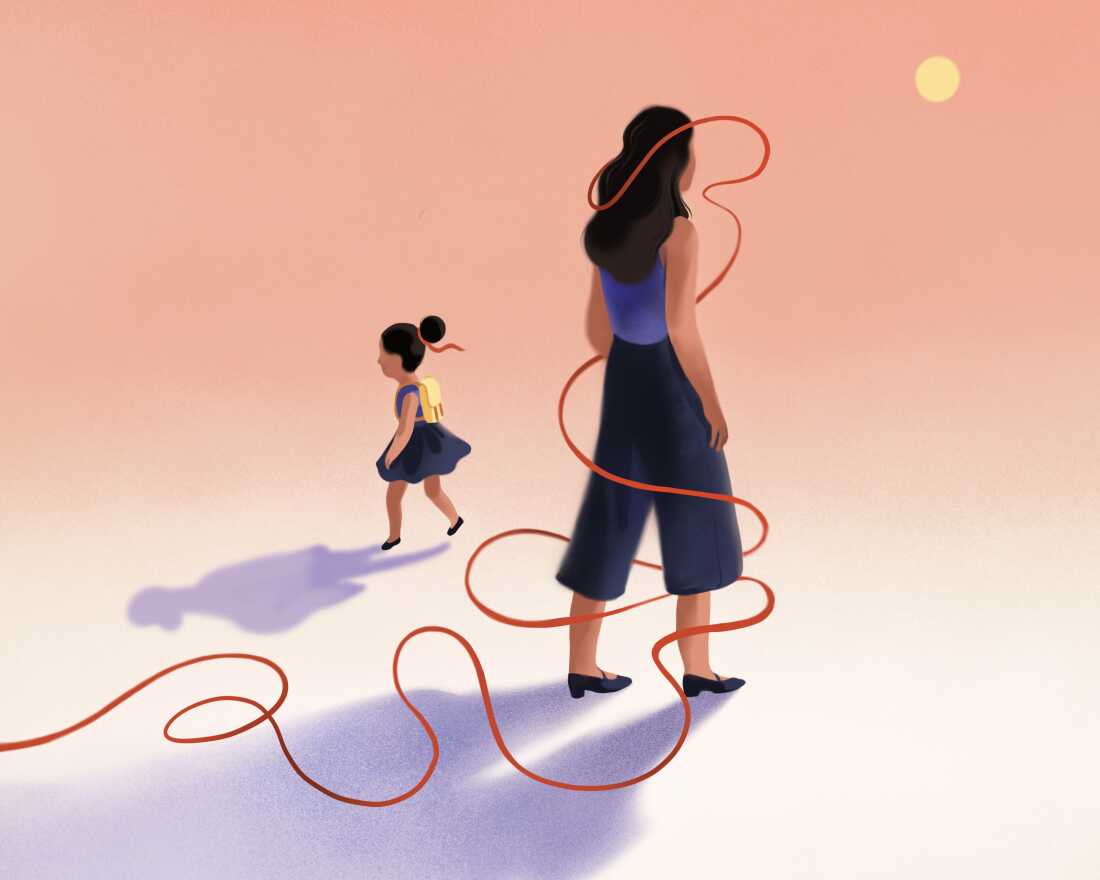
Kate Jarvis found school straightforward during her childhood in the 1980s. Organized and a straight-A student, her mother would call her “bright-eyed and bushy-tailed.” However, puberty changed everything. Her focus waned and grades dropped. She was diagnosed with anxiety and depression in high school, struggling to fit in. Teachers often commented on her potential, causing self-esteem issues. Only in her late 30s did Jarvis learn that undiagnosed ADHD was the root issue.
Receiving an ADHD diagnosis felt transformative for Jarvis, providing clarity after 25 years. However, understanding the condition did not immediately resolve her challenges. Jarvis faced the task of managing ADHD symptoms.
Jarvis’ experience is common, according to researchers. ADHD was long seen as a childhood condition mostly affecting boys. Julia Schechter, a clinical psychologist at Duke Center for Girls and Women with ADHD, notes that girls often show symptoms differently, appearing distracted or disorganized rather than hyperactive.
These subtler symptoms are frequently overlooked, leading to late diagnoses in adulthood. Women often endure years of untreated ADHD, misdiagnosed with anxiety or depression. Sometimes these conditions are secondary to ADHD.
“ADHD influences various life aspects, affecting social relationships, impulse control, and self-esteem,” Schechter explains.
Women face distinct risks compared to men. They often have challenges in friendships, experience partner abuse, and face higher teen pregnancy rates. ADHD may lead to feelings of worthlessness, self-harm, or even suicide attempts. Dr. Patricia Quinn highlights health risks like obesity, eating disorders, type 2 diabetes, and cardiovascular issues. Contributing factors include impulsivity, sleep troubles, and poor food choices.
A UK study indicates women with ADHD die nearly nine years earlier than their peers, and two years earlier than men with ADHD. Despite this, ADHD is often underestimated. Diagnoses among adult women have surged, with nearly 7 million diagnosed in the U.S. by 2023.
Women often mask symptoms, says Ellen Littman, a clinical psychologist specializing in ADHD. Complexity often leads to a breaking point, as in the case of Amy Reyer. At age 48, amid family and work stress, she reached her limit.
Reyer struggled for years, compensating for focus and anxiety issues. Despite earning a doctorate, perimenopause worsened her symptoms. Research shows estrogen fluctuations can aggravate ADHD symptoms during menopause.
Jeanette Wasserstein notes that many women first receive an ADHD diagnosis during menopause. Reyer suspected ADHD after her son’s diagnosis, confirmed in her late 40s.
Treatment was life-changing for Reyer, alleviating her struggles. Medication is a significant treatment but not the only option.
Dr. Quinn emphasizes hormone therapy and cognitive behavioral therapy to overcome demoralization and redefine self-perception. Ellen Littman helps women reframe their self-view, improving esteem and effectiveness in life.
Lifestyle changes also contribute positively. Kathleen Nadeau advocates for environments that suit strengths, occasionally involving career shifts.
Ruth Danoff’s diagnosis at age 50 enabled a life reassessment, fostering professional change. She now advocates for women with ADHD, inspired by her own journey.
Kate Jarvis encourages seeking diagnosis, leading to self-acceptance and joy beyond challenges.
Leave a Reply