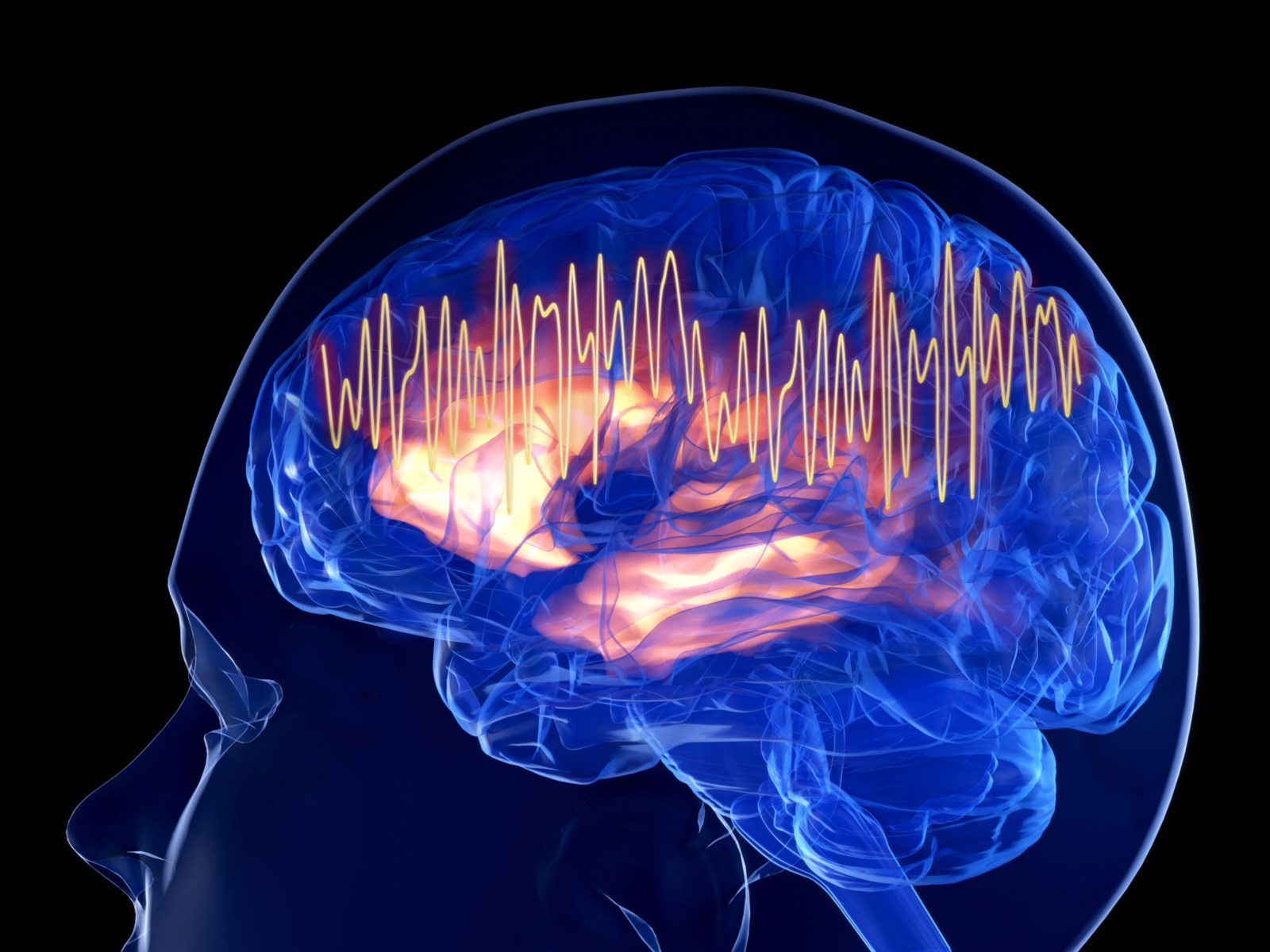
Adults who experienced trauma during childhood might exhibit increased apathy later in life. Recent research suggests this apathy relates to changes in a brain region known for its role in memory, the hippocampus.
Matthew Leahy, a licensed clinical psychologist not involved in the study, observed similar patterns in his practice. He explained these findings help redefine apathy in individuals with traumatic pasts. “What might seem like laziness or lack of effort may result from altered responses to rewards,” Leahy stated.
‘Inability to Experience Joy or Pleasure’
The study, conducted by Temple University and the University of Oregon researchers, connects childhood trauma with apathy and a decreased ability to enjoy life, known as anhedonia. According to the Cleveland Clinic, anhedonia is the “inability to experience joy or pleasure,” leading to numbness and disinterest in previously enjoyed activities. This is a common symptom in depression.
The research showed severe effects in participants with disrupted hippocampal activity, usually associated with memory.
How the Study Worked
The researchers surveyed 92 individuals, 37 men and 55 women, about their childhood trauma and current ability to experience pleasure. The sample deliberately included those prone to anhedonia, although it was relatively small compared to other studies.
Participants underwent functional MRI scans to track brain activity by observing blood flow changes. The focus was on the hippocampus and its connections with brain areas involved in motivation and reward, such as the ventral tegmental area and nucleus accumbens.
The study measured how the hippocampus responded to new experiences and its resting connections with other brain regions.
What the Researchers Found
Those who experienced childhood trauma showed more apathy. The strongest effects appeared in subjects with weaker connections between the hippocampus and other reward-related areas. This was linked to increased anticipatory anhedonia, a difficulty anticipating enjoyable events.
Study co-author Vishnu Murty highlighted that this research connects the hippocampus with apathetic behavior in humans, beyond memory functions. The team now aims to find a specific target within the hippocampus to restore pleasure in those affected by childhood trauma.
Broadening the Conversation Around Trauma
Leahy noted how these findings expand the trauma conversation, traditionally focused on fear and anxiety. The research indicates trauma’s impact on systems involved in motivation and positive reward expectation.
He emphasized that unresolved trauma remains impactful, influencing perceptions and interactions. However, he cautioned against over-interpreting these results since the study only shows association, not causation.
“Childhood trauma doesn’t inevitably lead to apathy or anhedonia,” Leahy stated. “This study offers a potential pathway for understanding diverse responses to adversity and potentially guiding treatment.”
Reference: Murty, V. P., O’Brien, K. J., et al. (2026). Functional integrity of mesolimbic-hippocampal circuits is associated with anhedonia in individuals with early life stress. Journal of Neuroscience. DOI: 10.1523/JNEUROSCI.0274-26.2026.
Leave a Reply