Final Push for the Protect College Sports Act
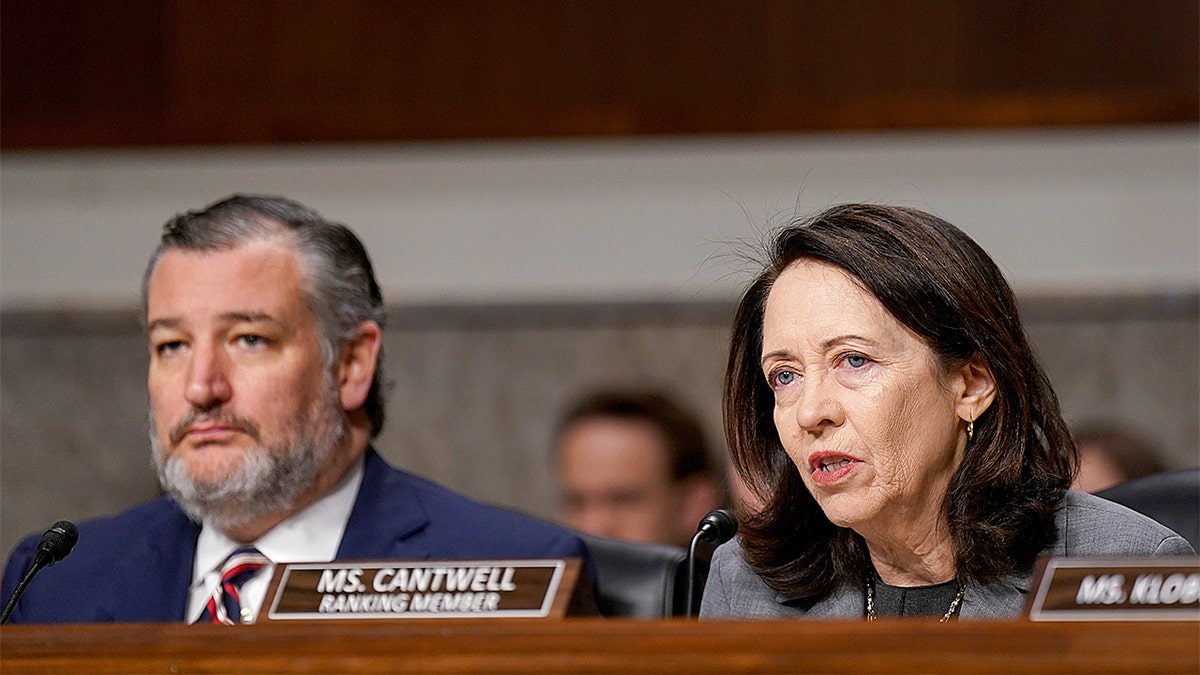
Senate negotiations over the Protect College Sports Act became intensely focused as deadlines neared. Chaired by Senators Ted Cruz (R-Texas) and Maria Cantwell (D-Wash.), the bipartisan effort aimed to finalize the bill before lawmakers left for summer recess.
Late-night discussions occurred with senators, the White House, and college athletic conferences. Leadership, including the SEC and Big Ten, faced real-time pressure to reach agreement on the legislation’s language and provisions.
The White House has been closely monitoring these negotiations, actively engaging in talks to preserve college sports.
A White House spokesperson stated President Trump aims to secure a solution for college sports issues. The administration, alongside conference officials, pushed for progress, ensuring the bill reached the Senate floor.
Major Stakeholders and Challenges
The Protect College Sports Act intends to restore order amidst chaotic college sports scenarios. Unlimited transfers, eligibility loopholes, and financial complexities threaten athletes’ opportunities. Senator Eric Schmitt (R-MO) focused on creating guardrails to stabilize college athletics. He urged Senate approval to protect the future of collegiate sports.
Conversations spanned the nation, with Big Ten Commissioner Tony Petitti and SEC Commissioner Greg Sankey heavily involved. Meetings with conference officials and senators underscored the urgency. The tense negotiations reflected high stakes for college sports stakeholders.
Key Components of the Legislation
- Multimedia Rights deals count towards revenue-sharing caps.
- An attestation process ensuring sponsor deals are independent.
- Strengthened transfer rules with potential antitrust exemptions.
- Tighter NIL guidelines regarding associated parties.
- Limits on conference membership increases.
- Restrictions on school transfers between power conferences.
- The “Lane Kiffin Rule” limits coach departures.
These provisions aim to establish consistent eligibility standards, ensure fairness in recruitment, and stabilize financial aspects related to athlete contracts.
Uncertain Path Forward
Senate Majority Leader John Thune addressed the uncertain timeline. With August recess approaching, Senate leadership scrambled to file for cloture and proceed with the bill. Critical discussions, including SEC calls, unfolded as senators rallied support.
Once Congress resumes session in September, the bill’s relevance may wane amid sports season excitement. Fans express weariness towards legislative delays, eager for college sports return.
Ultimately, negotiations could propel the Protect College Sports Act to a House vote, albeit after intense deliberations to meet legislative timelines.
Leave a Reply