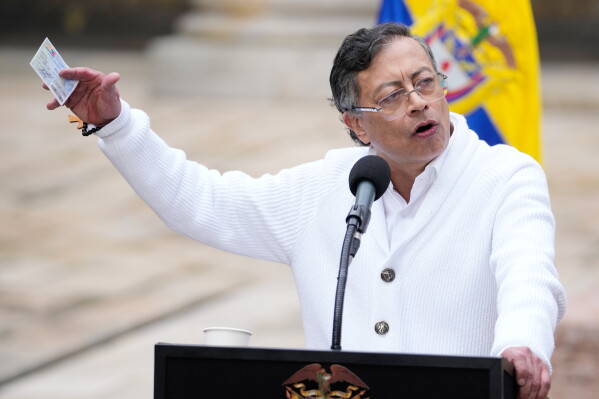
More than 41.4 million Colombians are heading to the polls to elect a successor to President Gustavo Petro, who is not eligible for reelection. The voting period spans from 8 a.m. to 4 p.m. local time, also choosing a vice president.
Election Context and Violence
The presidential elections are occurring in a backdrop of political violence. This includes the assassination of Miguel Uribe Turbay and numerous threats against other candidates. Armed groups are vying for control of key territories linked to drug trafficking and illegal economies.
Key Candidates
Polling data highlights some candidates with significant voter support:
- Iván Cepeda: Senator and candidate representing the Historic Pact, the political party led by outgoing president Gustavo Petro.
- Paloma Valencia: Senator and contender from the opposing Democratic Center.
- Abelardo de la Espriella: Represents the citizen movement Defenders of the Fatherland.
Other notable candidates include Claudia López, Sergio Fajardo, Roy Leonardo Barreras, Mauricio Lizcano, and Miguel Uribe Londoño, who stepped in following the death of his son, Miguel Uribe Turbay.
Withdrawn Candidates
Carlos Caicedo, ex-governor of Magdalena, and former chancellor Luis Gilberto Murillo withdrew in favor of supporting Iván Cepeda, though their names will still appear on ballots.
President Petro’s Message
President Petro encouraged citizens to decide ‘where Colombia is headed’ by voting freely and without pressure. He emphasized the legality issues regarding bribing voters or coercing employees.
Petro also called for protecting votes through electoral witnesses and questioned the electoral authority’s software reliability, advocating for state-owned systems to prevent interference.
Voting Center Preparations
Voting centers opened on Sunday amid concerns over violence by armed groups. Among the 11 presidential hopefuls, the top contenders are progressive Iván Cepeda and conservative opponents Abelardo de la Espriella and Paloma Valencia.
Pre-Election Activities
Despite a national ban on alcohol sales before elections, bars have innovated with non-alcoholic cocktails named after presidential candidates, offering flavors like ‘Pacto pop’ and ‘Tigre tonic.’
Electoral Climate
Colombians are divided between continuing or reversing Petro’s agenda. According to analyst Sergio Guzmán, Colombia remains deeply split on social, economic, and political issues. Petro, although polarizing, maintains around 40% approval rating and notable opposition.
Leave a Reply