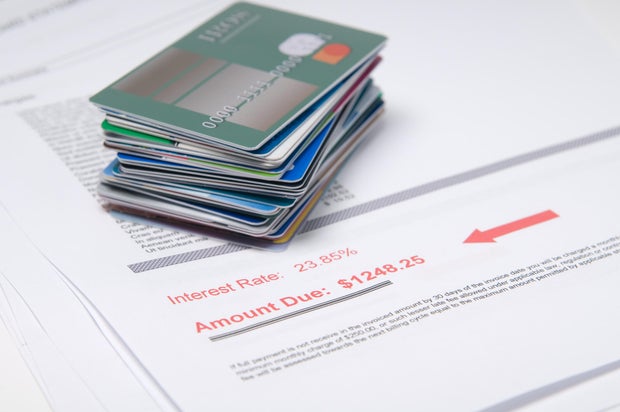
Credit card debt is rising, increasing pressure on many borrowers already struggling with bills. According to the Federal Reserve Bank of New York, credit card balances increased by $21 billion in the second quarter of 2026, reaching $1.26 trillion. During this period, 4.7% of household debt was in delinquency, highlighting borrower debt burdens.
For those who have fallen behind on credit card payments, the concern is how quickly a single late payment advances to a more severe financial issue. Missing one payment may lead to fees and credit score impacts. Falling further behind can exacerbate the situation as balances grow and accounts become deeply delinquent.
Impact of Missing Three Credit Card Payments
Missing three consecutive payments triggers significant consequences. Here’s what happens:
- Credit Score Damage: Credit card issuers may report an account as delinquent after it is 30 days late. If you continue to miss payments, it can be reported as 60 and then 90 days late. Payment history significantly affects your credit score. Negative payment information may stay on credit reports for up to seven years.
- Increased Interest Rates: Missing three payments allows issuers to impose a penalty rate. Although federal rules limit rate increases on existing balances due to late payments, this exception applies at the 60-day mark. A higher interest rate increases debt costs.
- Loss of Card Access: As delinquency progresses, credit access may diminish. Depending on circumstances, your card might be suspended or closed, limiting purchase ability. However, the outstanding balance still requires repayment.
- Intensified Collection Efforts: By 90 days late, accounts typically face stringent collection efforts. Issuers might escalate communications or internal collections, offering options to resume payments.
Debt Relief Options After Three Missed Payments
Missing three payments indicates a serious financial problem. If unable to bring your account current, consider these debt relief options:
- Contact Card Issuer: Inquire about hardship programs that temporarily reduce payments or interest rates, waive fees, or simplify repayment. Early inquiry increases available options.
- Credit Counseling or Debt Management: For those able to repay balances but needing lower rates or structured plans, counseling or debt management might help manage debt.
- Debt Consolidation: If qualified for lower-rate financing, consolidation could simplify repayment through one manageable payment.
- Debt Forgiveness: For severe hardship, negotiate a settlement for less than the owed amount. Understand drawbacks before proceeding.
Turn the Tide on Debt
Three missed payments mark a crucial turning point, escalating a minor late issue into severe delinquency with consequences. Resolving this involves contacting issuers, exploring hardship programs, or consulting credit counselors.
Leave a Reply