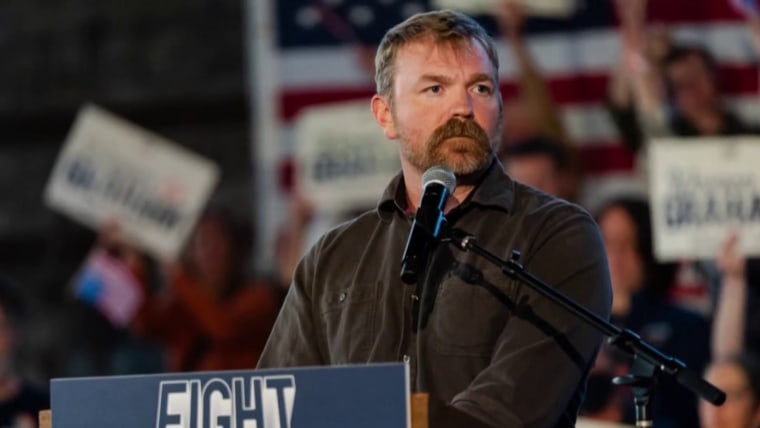
The path to the Senate primary in Maine for the Democratic Party is fraught with tension. Graham Platner, poised to secure the Democratic Senate nomination, faces allegations raising concern among party members. With Gov. Janet Mills halting her campaign in April, Platner stood as the frontrunner. However, mounting controversies now threaten his candidacy.
Three of Platner’s former partners shared unsettling accusations in a report by The New York Times. Lyndsey Fifield accused Platner of abusive behavior during their relationship from 2013 to 2015. She also mentioned a Nazi tattoo that Platner has since covered. Platner disputes the claims and links them to political motives. He acknowledges past personal struggles and asserts he intends to remain in the race.
The controversies have stirred significant debate within the party. Some members explored how to replace Platner if needed, while others maintained their support. Rep. Ro Khanna voiced cautious backing, advocating for his redemption efforts. State Rep. Valli Geiger, a supporter, alleged that the timing of the accusations suggested political maneuvering.
“Is it peeling people off? For sure, but for many, it’s just making us angrier,” Geiger expressed.
Party division spans from Maine to the national stage, with Democrats expressing concerns over Platner’s suitability against Republican Sen. Susan Collins. Matt Bennett of the think tank Third Way criticized Platner’s populist views, fearing the Senate seat could be lost. Others, like Adam Cote, observed ongoing internal debates about balancing Platner’s movement with his controversies.
Platner’s campaign faced internal upheaval in the past, with senior staff resigning over inflammatory comments Platner made online. He has attributed these to his mental health struggles after his military service. This history fuels party discontent and skepticism about his candidacy.
Party figures like Sen. John Fetterman openly criticized Platner, questioning his credibility after allegations of dishonesty and misconduct surfaced. Yet, support persisted among those wanting change from the status quo, despite concerns over potential effects on independent voters.
With Mills still on the ballot, some supporters hope for her re-entry into the race, though she has not campaigned since halting her bid. As the primary approaches, speculation continues about Platner’s impact on the Democratic chances in Maine.
Leave a Reply