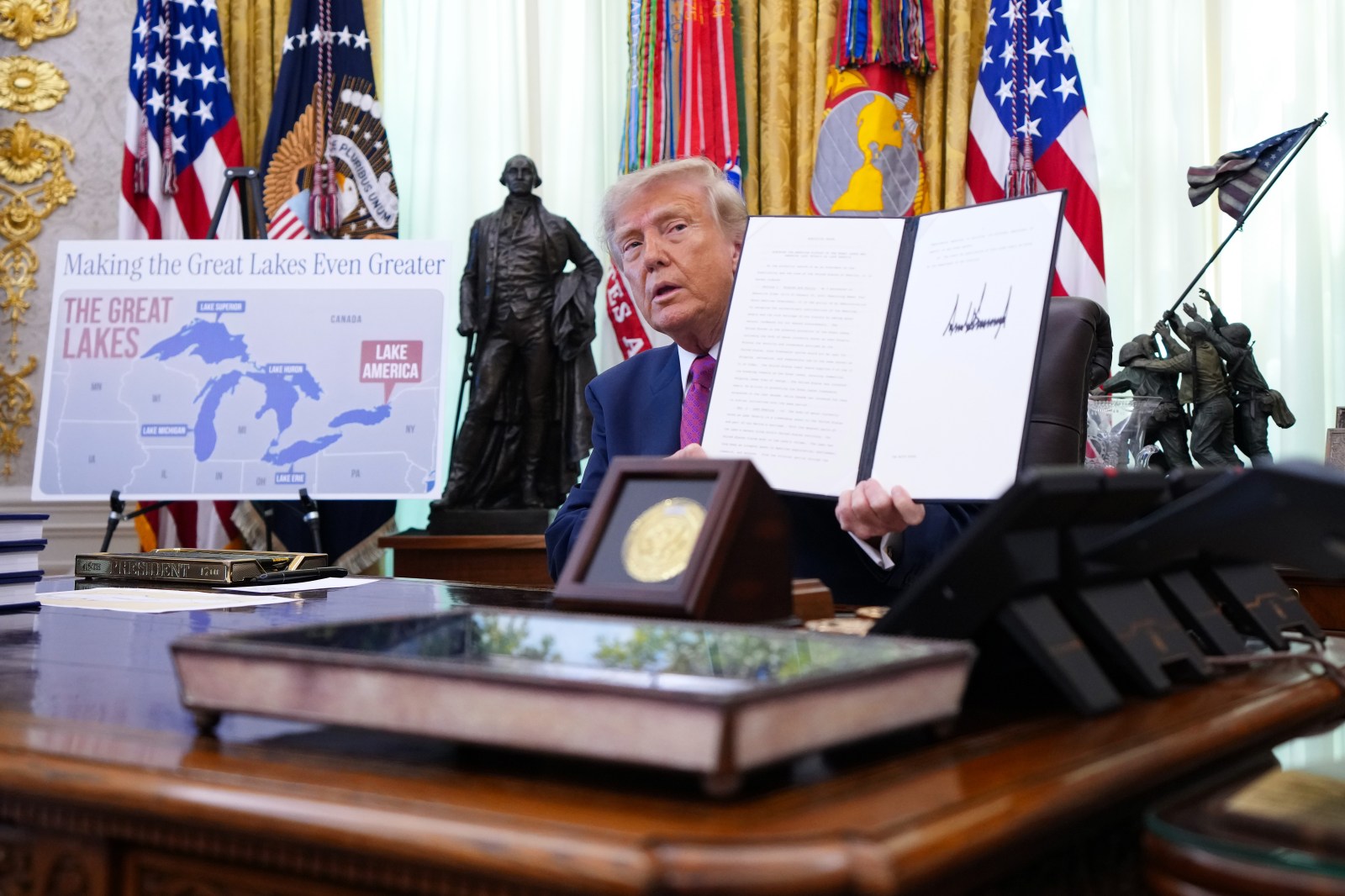
Google Maps recently changed the name of Lake Ontario to “Lake America” for users in the United States, resulting in significant backlash. Many users criticized the decision on platforms like Trustpilot and Google Maps’ review pages, as well as under a report by 9to5Google. Some users deleted Google Maps or switched to MapQuest, while others accused Google of providing inaccurate information or conforming to former President Donald Trump’s administration.
Public Reaction and Shift to Competitors
The change followed an executive order by Trump, influencing U.S. users to see “Lake America,” while Canadians continue to view “Lake Ontario,” and users elsewhere see both names. Google stated the update was in line with its policy of using official government-provided names.
Trustpilot user Dennis Joslyn wrote, “Lake America does not exist. The correct name is Lake Ontario.” Another user, Susan Buchan, expressed her disappointment on the Google Maps Help page, stating, “I have been a Google user for a very long time and am extremely disappointed that you would follow the ridiculous change of the name of Lake Ontario.”
This led several users to delete the app and turn to competitors like MapQuest, which saw a surge in downloads and usage, ranking highly on the Apple U.S. App Store and in Canada.
Mapping Companies’ Reactions
Trump signed an executive order on August 27, directing the renaming of Lake Ontario to “Lake America” in federal records. The White House claimed the move recognized the lake’s importance to U.S. commerce, defense, and energy production, amidst trade disputes with Canada. Federal agencies were instructed to use the new name in official contexts.
Google updated its Maps after the federal database reflected the change. Apple, urged by Trump to follow suit, continued to show Lake Ontario at the time. MapQuest opposed the change, maintaining the name Lake Ontario and publicly stating their decision.
Canadian and Indigenous Responses
Canadian leaders opposed the renaming, stressing that a U.S. executive order cannot dictate the name of a shared body of water. Prime Minister Mark Carney emphasized the historical significance of the name Lake Ontario. Ontario Premier Doug Ford and opposition leader Pierre Poilievre both voiced strong objections.
Indigenous leaders also expressed their concerns. Seneca Nation President J. Conrad Seneca called for the order’s reversal, stating, “The President cannot assert ownership over our culture or erase it through irresponsible political action.”
Lake Ontario’s name originates from Indigenous languages, with historical roots meaning “lake of shining waters” or “the lake is beautiful, the lake is big” in the Huron and Wendat languages, respectively.
Leave a Reply