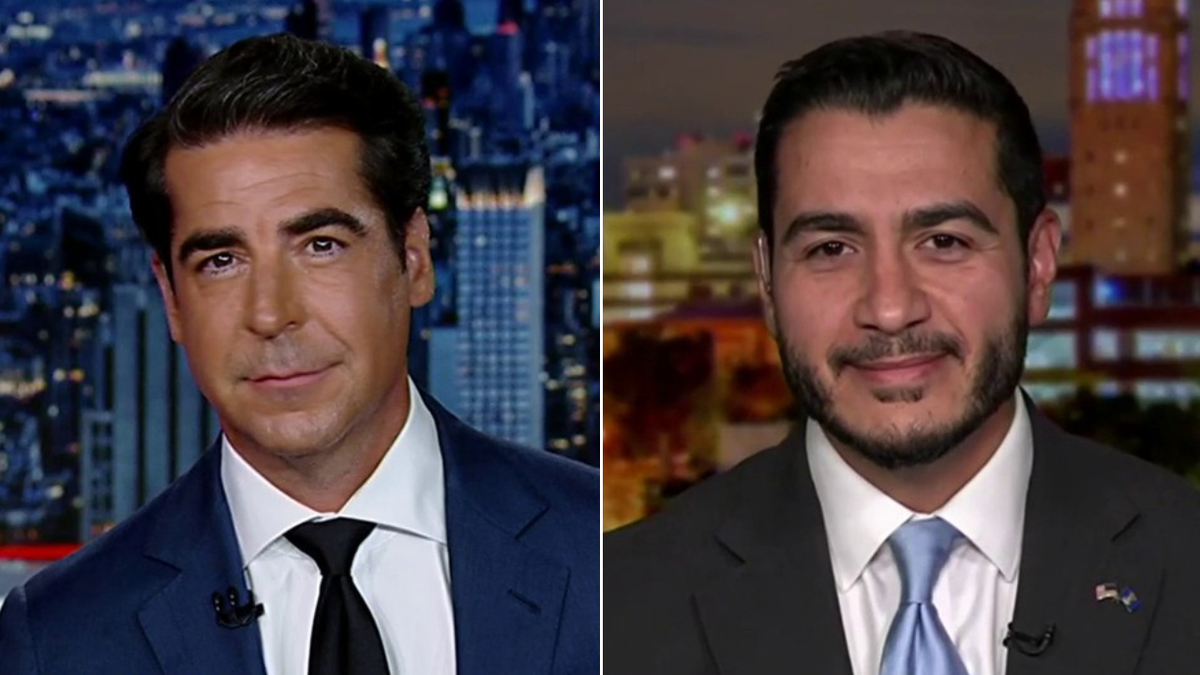
Jesse Watters, host of ‘Jesse Watters Primetime,’ criticized Michigan Democratic Senate candidate Abdul El-Sayed for his previous remarks concerning the banning of Sharia Law. The debate erupted after El-Sayed compared Sharia law to Christian canon law during a Fox News interview with Watters.
Comparison of Religious Laws
In the interview, Watters questioned El-Sayed’s past comments where he opposed efforts to ban Sharia law, likening them to acts of White supremacy. El-Sayed responded by equating Islamic Sharia law to Catholic Church laws, emphasizing religious freedom in America.
“Nobody is trying to push Sharia law on anyone, just like I hope nobody pushes canon law on others, because America offers freedom of religion,” El-Sayed stated.
Social Media Reactions
The comparison generated backlash online, with critics pointing out distinctions between the two legal frameworks. Andrew Kolvet from ‘The Charlie Kirk Show’ highlighted that while canon law governs church affairs and grants autonomy to the state, Sharia law historically dictates state matters and covers all life aspects.
Commentators like Carl Jackson argued that Sharia law clashes with Western Civilization values. Others, like Fox News contributor Kaylee McGhee White, suggested El-Sayed’s position could impact his candidacy.
Additional Commentary
Conservative voices on social media, including Dana Loesch and Michael Knowles, further critiqued El-Sayed’s defense of Sharia, suggesting inappropriate equivalencies were drawn.
Pamela Geller stated that both canon and Jewish laws are voluntary and specific to their religious followers, while Sharia imposes a comprehensive system, influencing even non-Muslims.
Matt Whitlock noted that El-Sayed’s defense seemed unusual, expecting instead a claim that his views were out of context or outdated.
Past Statements and Beliefs
In a 2009 interview with The New York Times, El-Sayed expressed that his adherence to Sharia-compliant practices stemmed from a sense of religious obligation rather than fear. He emphasized his desire to align with Sharia over taking ‘the easy way.’
Sharia law traditionally includes severe penalties for apostasy, limits on women’s roles, and provisions for child marriage. El-Sayed has opposed Sharia bans, attributing them to White supremacy, as seen in Oklahoma’s constitutional amendment banning Sharia law.
He linked such bans to historical acts of oppression against Native Americans and African Americans, suggesting that the same oppressive forces persist today.
Fox News Digital sought comments from El-Sayed’s campaign but received no response. Andrew Mark Miller of Fox News contributed to this report.
Leave a Reply