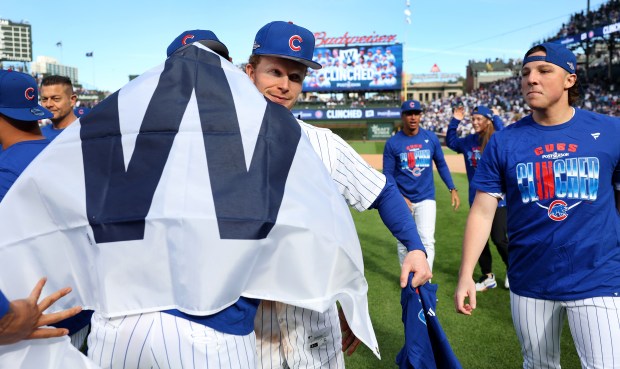
The Chicago Cubs and Boston Red Sox traditionally play in two historical ballparks: Wrigley Field and Fenway Park. Fans eagerly visit these iconic stadiums, planning their trips well in advance. This weekend marked the end of the regular season with a series initially scheduled at Fenway. However, due to an unseasonably early nor’easter in New England, Major League Baseball decided to move the final game to Tropicana Field in Florida.
After a rollercoaster season, the Cubs found themselves with unexpected leisure time in sunny Florida, taking a break before their anticipated playoff run. Activities like visiting the beach, relaxing by the pool, or exploring the Dali Museum offered players a brief respite. Cubs center fielder, Pete Crow-Armstrong, expressed the team’s readiness for challenges, stating, “We’re just built for the weird s—.”
The relocation to Tropicana Field, typically criticized for its structure, presented a neutral ground given the large presence of Red Sox fans in Florida. Additionally, Cubs fans are known to travel, ensuring a vibrant atmosphere at the dome, which conveniently avoids weather disruptions.
The Red Sox, familiar with Tropicana Field, have an advantage as they often compete there against American League East teams. Nevertheless, their playoff seeding remains unaffected by the game.
The significance of one game among a 162-game season can seem minor. However, after enduring losses in Boston on Friday, the Cubs woke up Saturday facing tight competition in the NL wild-card race. By Sunday, they anticipated playoffs beginning in locations such as San Diego or Atlanta, pending current standings, compared to other teams like the Phillies struggling in their final games.
Cubs Manager Craig Counsell maintains a positive outlook, advising the team to embrace challenges and enjoy themselves despite recent defeats. Sunday’s outcome will determine their playoff mindset and potential momentum moving forward.
The decision to transport the game to Florida instead of playing at Wrigley Field raises questions about MLB’s approach to managing unexpected events. A game relocated to Chicago would attract more fans, but the Trop’s attendance could be thinner due to competing local sports events.
Historically, similar situations arose, such as in 1990 when rain relocated a White Sox game from Chicago to Texas, impacting the fairness of playing conditions. Despite the inconvenience, the league’s decisions sometimes require compromise.
Despite past disruptions and current uncertainties, the Cubs head into Sunday’s final game at Tropicana Field, closing a memorable season. Fans and players hope for a smooth conclusion free from additional surprises.
Leave a Reply