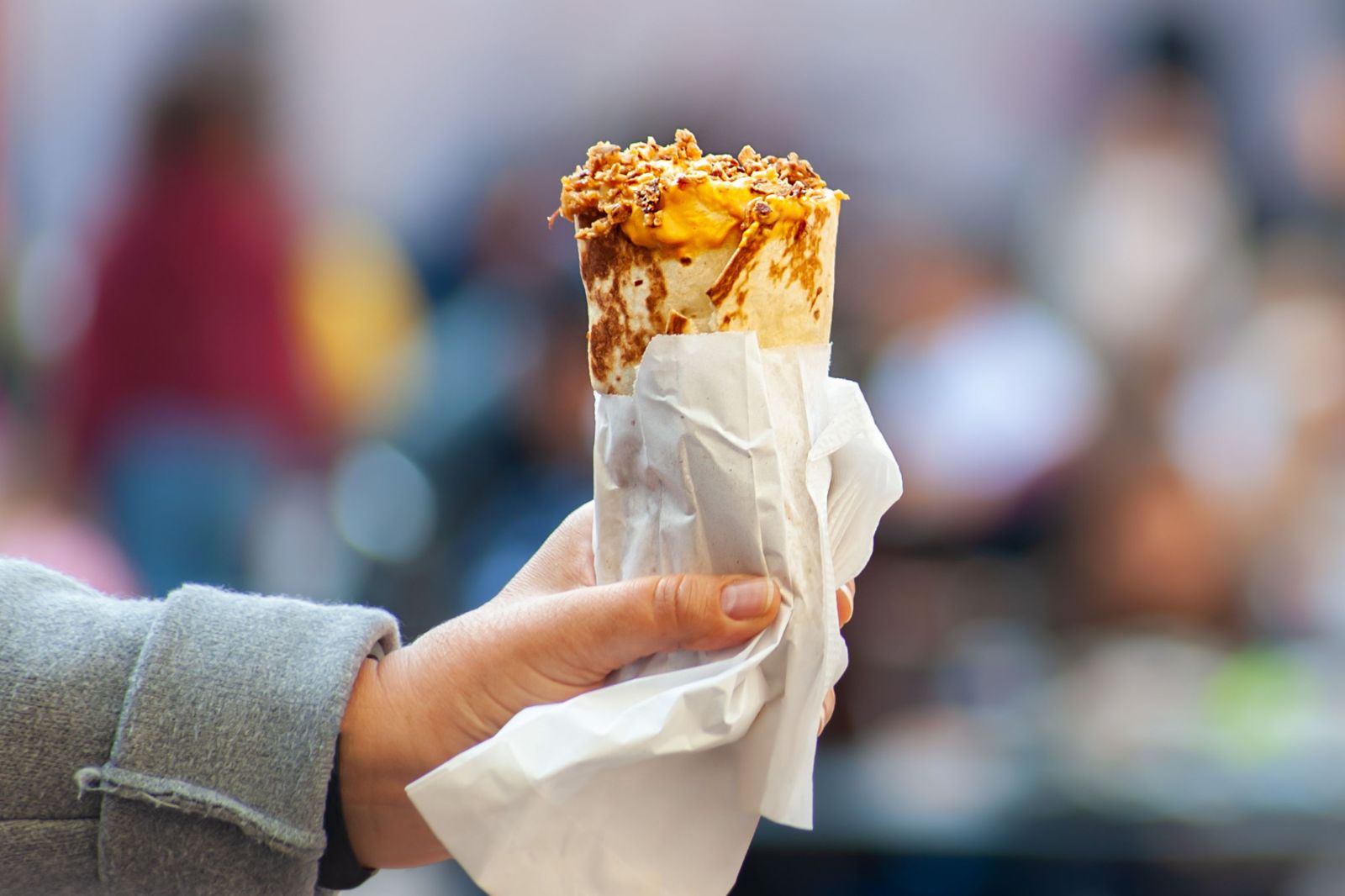
A heated debate over the cost of living has centered around the price of a burrito, with many conservative figures weighing in on social media. This discussion reflects a broader frustration about rising food prices, both in grocery stores and restaurants. Although inflation has slowed recently, food prices have seen significant increases over the past decade.
Food prices are a key indicator of the financial pressures faced by households in the U.S. Polls indicate that the cost of food remains a significant concern for many Americans. What started as a debate about the price of one meal has expanded into a wider discussion about affordability and consumer choices.
The Debate
The argument began when conservative commentator Matt Walsh complained about high grocery prices on social media platform X (formerly Twitter). He argued that addressing this issue should be a top priority for elected leaders. His post quickly shifted the conversation from supermarkets to restaurants.
Andrew Kolvet of Turning Point USA added to the conversation by mentioning a student’s remark: “A burrito shouldn’t cost $20.” Kolvet suggested that while inflation and the Biden administration’s policies contribute to high prices, they also leave consumers feeling that basic goods are unaffordable.
Joel Berry, managing editor for The Babylon Bee, countered Kolvet’s point by highlighting the cost difference between eating out and cooking at home. Berry pointed out that making homemade burritos for his family cost less than $20. His post sparked additional discussion, with Walsh arguing that even frugal families can’t escape the reality of rising grocery prices.
Many others joined the debate. Some argued that inflation is distorting affordability, impacting how Americans manage their budgets.
Increases in Food Prices
While speaking in Nevada, former President Trump claimed that the costs of goods and services decreased significantly during his administration. However, data from the Bureau of Labor Statistics (BLS) shows that grocery prices are about 35% higher than a decade ago, with restaurant prices up by approximately 51%.
The COVID-19 pandemic contributed to significant price increases. In 2022, grocery prices rose by 11.4%, marking the largest annual increase in decades. This trend continued in 2023 with an additional 5% rise. Although inflation has eased, prices remain elevated. In mid-2026, grocery prices were still 2.7% higher than the previous year, with food eaten away from home up by 3.4%.
USDA projects a continued rise in grocery prices and restaurant costs into 2026. Individual food categories, like beef and lettuce, have seen even more severe price hikes.
Public Perception of Rising Costs
Many Americans find groceries increasingly unaffordable. A 2026 Washington Post-Ipsos poll revealed that 65% of Americans feel grocery costs are out of reach. This concern spans different income levels, affecting both low- and higher-income households.
Earlier surveys reveal the stress that grocery costs impose on household budgets. Many adults across the nation consider food expenses a significant source of financial worry.
Trump Administration’s Actions on Affordability
The Trump administration took several steps to address living costs. Policies included deregulation, agricultural support, and antitrust enforcement.
In early 2025, the administration sought emergency price relief, and efforts were made to address egg prices by combating avian influenza and stabilizing poultry farms. These initiatives led to substantial price reductions in certain food categories.
The administration also focused on enhancing competition within the food industry. Initiatives included investigating price-fixing and modifying tariffs to reduce costs for agricultural imports.
Leave a Reply