U.S. officials have dismissed growing concerns about the country’s missile stockpiles, including vital interceptors for protecting military bases in the Middle East. President Donald Trump addressed these concerns on Truth Social, stating that the U.S. possesses substantial amounts of munitions, especially specific types.
His comments came as a response to reports suggesting that the U.S. arsenal of crucial weapons, such as advanced air defense missiles, was being depleted. These weapons are essential for intercepting missile attacks from Iran, which has targeted U.S. military bases across the region.
Iranian Attacks in the Middle East
Following the collapse of a mid-June ceasefire deal between the U.S. and Iran, Tehran and its proxy groups have attacked at least eight countries in the Middle East. Iran has launched ballistic missiles at U.S. military facilities, including those in Kuwait, Bahrain, and Jordan.
Data from the Armed Conflict Location and Event Data Project (ACLED) indicates that between June 18 and July 28, Iran and allied groups conducted numerous attacks across these countries. This includes 57 attacks in Kuwait, 38 in Bahrain, and 27 in Jordan.
In July, three U.S. service members were killed during an Iranian missile and drone strike on the Muwaffaq Salti Air Base in Jordan. This incident highlighted the challenges of intercepting ballistic missiles, which travel faster and follow less predictable paths than other types of projectiles.
Interceptors and Military Systems
The U.S. relies on two defense systems, the Patriot and the Terminal High Altitude Area Defense (THAAD), to intercept Iranian ballistic missiles. Despite their effectiveness, these systems face challenges due to the unpredictable nature of ballistic missiles.
According to the Center for Strategic and International Studies (CSIS), the U.S. had approximately 452 THAAD interceptors before the conflict began in February. By the end of July, the number had dropped to about 234. For Patriot systems, the interceptor count decreased from roughly 2,330 to 759 by late July.
The high demand and limited supply of these interceptors have also affected Ukraine, where recent missile strikes have gone undefended due to interceptor shortages.
U.S. Military Presence in the Middle East
The U.S. maintains a significant military presence across the Middle East, with numerous bases and facilities. Key locations include the Fifth Fleet headquarters in Bahrain and the sprawling Camp Arifjan in Kuwait. These sites host thousands of U.S. personnel and are integral to regional military operations.
Bahrain hosts the U.S. Fifth Fleet, managing naval operations across key regions. Kuwait houses major installations like Camp Arifjan and the Ali Al Salem Air Base. Despite the strategic importance, these locations have faced numerous Iranian attacks, leading to casualties among U.S. forces.
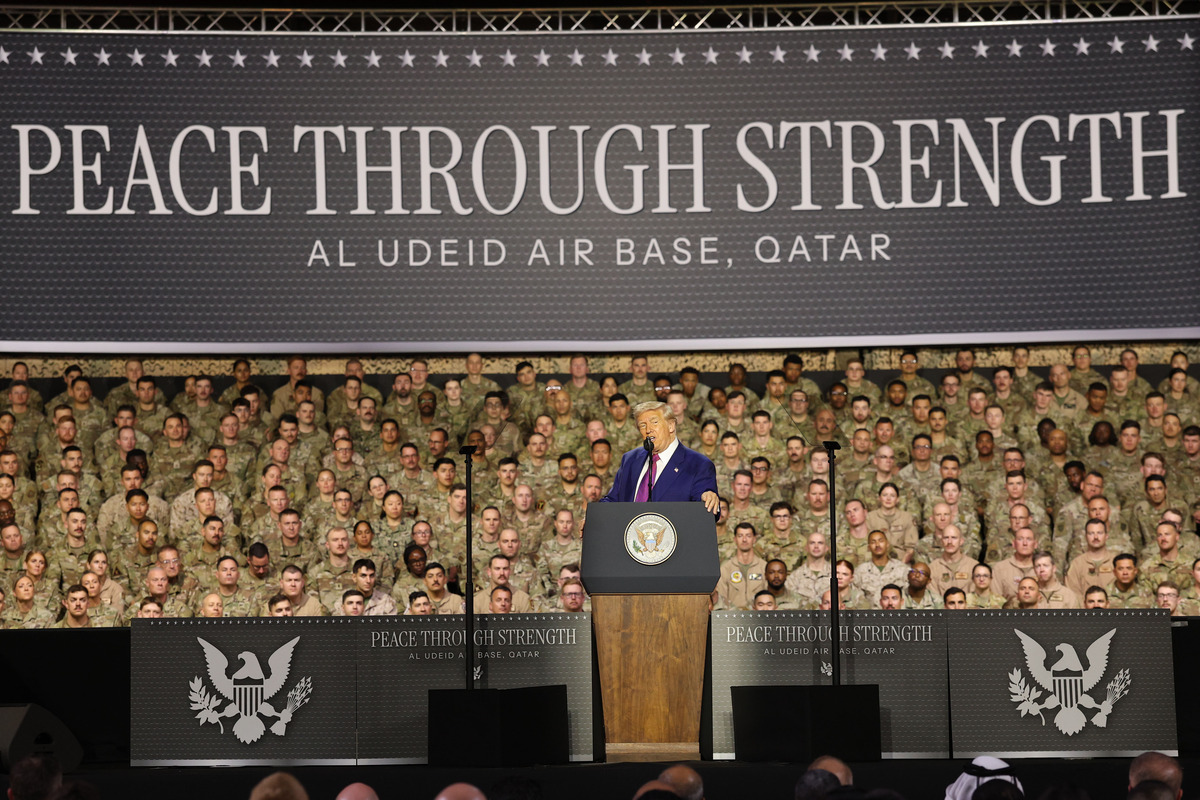
In Qatar, the Al Udeid Air Base serves as the largest U.S. base in the Middle East. The Gulf state itself is also a frequent target of Iranian aggression, and recent satellite images showed damage to facilities hosting U.S.-made radar systems.
Other significant bases include the Muwaffaq Salti Air Base in Jordan and the Prince Sultan Air Base in Saudi Arabia, both subject to repeated Iranian strikes. In some instances, U.S. service members have lost their lives due to these ongoing hostilities.
Leave a Reply