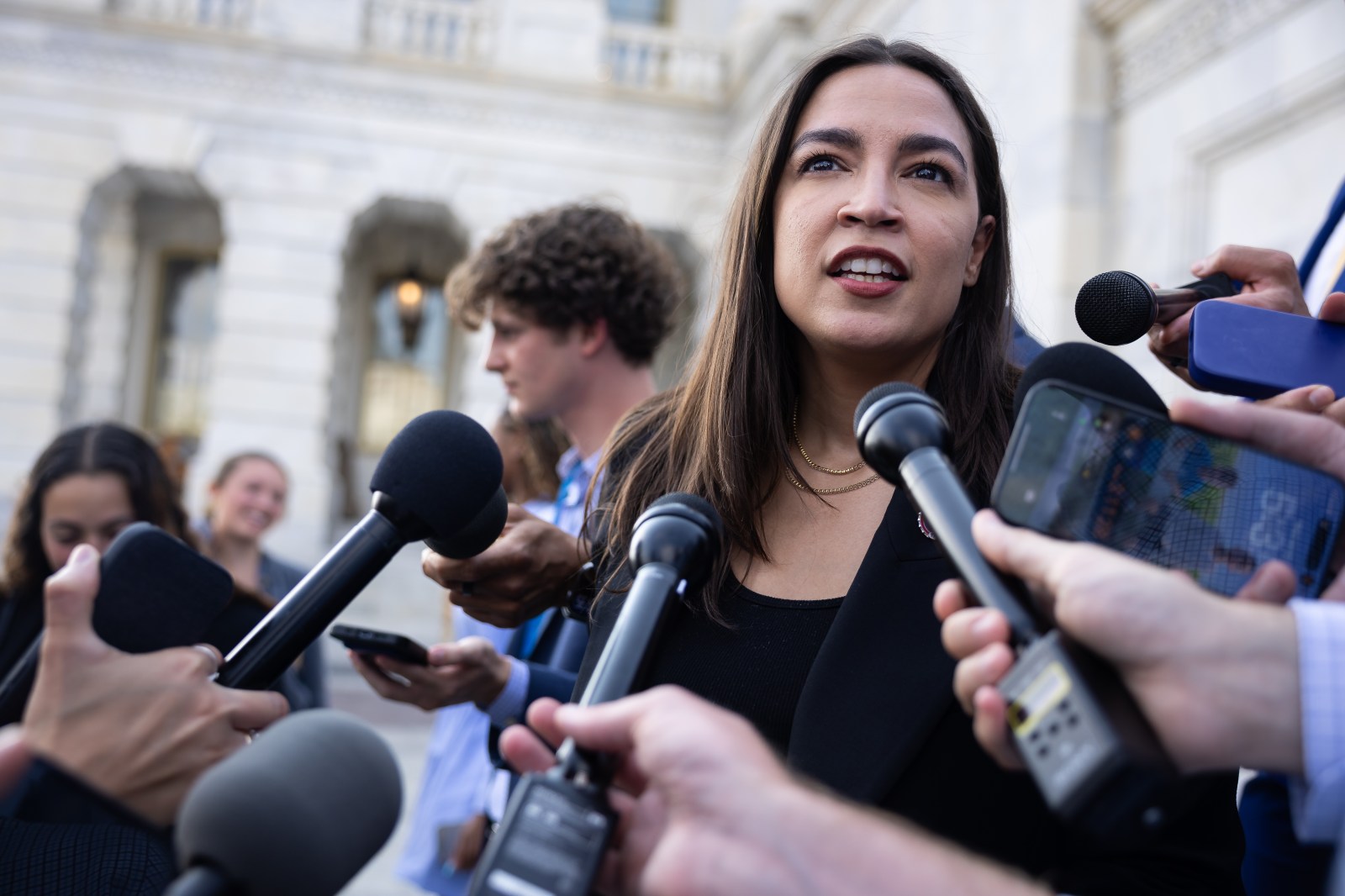
The Democratic National Committee (DNC) has sparked discussion with its proposal to move South Carolina to the front of the presidential primary lineup in 2028. This shift aims to elevate the state’s prominence and could influence which faction of the Democratic Party gains an advantage. Debates are rife on how this might affect progressive candidates like Representative Alexandria Ocasio-Cortez.
DNC’s 2028 Proposal
On Friday, the DNC’s Rules and Bylaws Committee endorsed South Carolina as the initial state for the 2028 Democratic presidential primary. Nevada lost its position under this proposal, which awaits full DNC approval in August. While South Carolina moved ahead in 2024, it was done under President Joe Biden’s guidance, reflecting the party’s diverse make-up.
Implications for Progressive Candidates
Some observers posit South Carolina, backed by a significant Black voter base, tends to favor establishment candidates. This could hinder democratic socialists or progressive contenders early in the race. Conversely, others suggest a crowded field might fracture the moderate vote, benefitting insurgent candidates.
Data indicates the opening presidential primary is influential. A robust start garners media coverage and attracts undecided voters; conversely, a weak start ends campaigns. Expect greater significance in 2028 with no incumbent Democratic president likely running.
Why South Carolina Leads
South Carolina moved to the front after advocating for its reflection of a diverse party base. Supporters say it bolsters Black voters’ voices in choosing nominees. Nevada, however, highlighted its racial diversity and key battleground status.
Questions arise about challenges for progressive candidates. Commentator Meghan McCain claimed the shift is adverse for AOC’s prospects. Others, like Craig Agranoff, concur that South Carolina rewards candidates stressing electability and practical results.
Speculation on Progressive Advantages
Some analysts believe South Carolina might not necessarily disadvantage progressives. Grant Reeher at Syracuse University notes primaries attract motivated voters, often with pronounced ideological views. A large, crowded field could enable a progressive candidate to stand out.
As debates continue, former Meet the Press moderator Chuck Todd suggests South Carolina could aid Bernie Sanders-like candidates if multiple contenders split Black voter support.
Controversy Over New Hampshire’s Role
New Hampshire’s claim to the first presidential primary is enshrined in state law, causing friction with DNC’s plans. The state mandates its primary occur at least seven days prior to any similar contest, complicating DNC’s restructuring efforts.
This controversy arose in the 2024 cycle. Despite the DNC’s new lineup, New Hampshire held its primary earlier, owing to its legal requirements. A continuation into 2028 confronts similar legal versus party calendar disputes.
Potential 2028 Successors
While the candidate field remains uncertain, prominent figures like Alexandria Ocasio-Cortez are considered potential successors to Bernie Sanders. At 39 in 2028, Ocasio-Cortez embodies democratic socialism with widespread support among younger voters. She champions expanded healthcare, climate action, and taxing corporations.
However, analysts wonder whether her progressive stance appeals beyond the most liberal voters, particularly in South Carolina.
Bernie Sanders remains influential, despite his unlikely candidacy due to age. His movement empowers younger progressive figures like Ocasio-Cortez.
Other Progressive Voices
Rashida Tlaib and Greg Casar among others have emerged as progressive trailblazers. While not current presidential contenders, they influence the party’s left wing.
Democratic Field Dynamics
The Democratic Party’s progressive wing extends beyond pure socialism, with figures like Pete Buttigieg and governors Pritzker, Newsom, and Moore appealing to center-left priorities. A divisive moderate field might facilitate a progressive candidate’s early success.
The calendar change emphasizes candidates building broad coalitions over relying purely on ideological bases. The impact of South Carolina’s new position on the primary calendar depends on candidate announcements and field composition.
For further correspondence, contact: Edward T. Cummins.
Leave a Reply