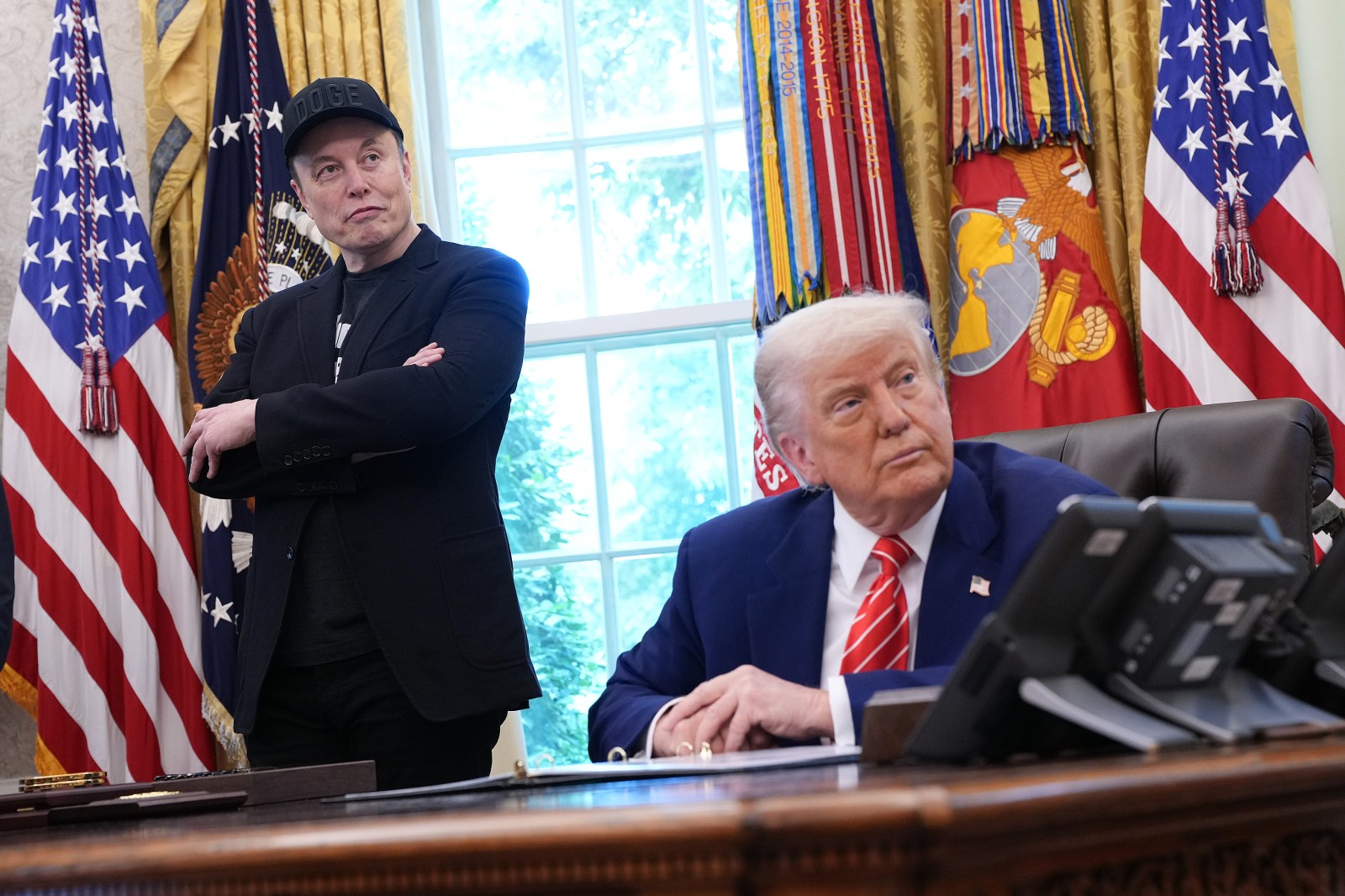
The Department of Government Efficiency (DOGE), launched during President Donald Trump’s second term, aimed at cost-cutting and efficiency. DOGE officially ceased operations, integrating into broader federal structures by late 2025, months ahead of its scheduled conclusion.
Initially proposed to span 18 months, DOGE wrapped up early, with the White House’s plan concluding on July 4. A statement from the department emphasized the ongoing commitment to reduce waste, fraud, and abuse, regardless of DOGE’s closure. The proclamation asserted that accountability in government spending should persist long into the future.
DOGE, commanded initially by Elon Musk, initiated significant measures. These included reducing the federal workforce, retracting funding for select programs, and annulling numerous government contracts. The initiative achieved partial financial savings, provoking criticism from Democratic legislators and those affected by the budget cuts.
Early Days
On the first day of his renewed presidency, Trump enacted an executive order to establish this temporary entity. The order aimed to orchestrate the President’s 18-month agenda of heightened government efficiency. Trump’s rhetoric characterized a streamlined, efficient government as an apt offering for the nation’s 250th anniversary.
Initially, DOGE embedded personnel across various federal departments and commenced efforts to downsize via buyouts and deferred-resignation schemes. Reports from the Office of Management and Budget noted that approximately 260,000 employees exited federal service in 2025 due to these actions. This led to legal battles initiated by federal worker unions.
Much of the criticism peaked when DOGE accessed internal data systems of several federal bodies, including Health and Human Services and the Department of Energy.
The USAID’s Transformation
The United States Agency for International Development (USAID) became a focal point under DOGE’s agenda in 2025. DOGE sought to slash funding and workforce, nearly dismantling the agency responsible for foreign aid. Proponents of DOGE claimed the reforms were necessary for efficiency, while opponents argued these actions jeopardized vital humanitarian efforts.
Although USAID remains operational nominally, the Trump administration reduced its programs significantly. Reports in early 2026 indicated a complete shutdown was forthcoming.
Musk’s Departure
In May 2025, Elon Musk announced his departure from DOGE to refocus on his business interests. His exit followed growing investor concerns at Tesla about the impact of his political commitments. The initiative faced scrutiny related to workforce reductions, transparency issues, legal standings, and financial savings calculations.
Support for DOGE diminished following Musk’s exit, with administrative remarks in November indicating an early end to the project. The Office of Personnel Management then assumed many of DOGE’s responsibilities, perpetuating its original objectives.
DOGE’s Legacy
Legal challenges surrounding layoffs, grant cancellations, and data access persist. According to its site, DOGE terminated thousands of contracts and grants, claiming savings of $215 billion or roughly $1,335.40 per taxpayer. This fell short of the $2 trillion target Musk had forecasted. Recent analyses suggest these cutbacks may cause extended challenges for certain agencies.
Federal hiring needs have risen in recent months as the government adjusts to the dramatic workforce cutbacks implemented during early 2025.
Leave a Reply