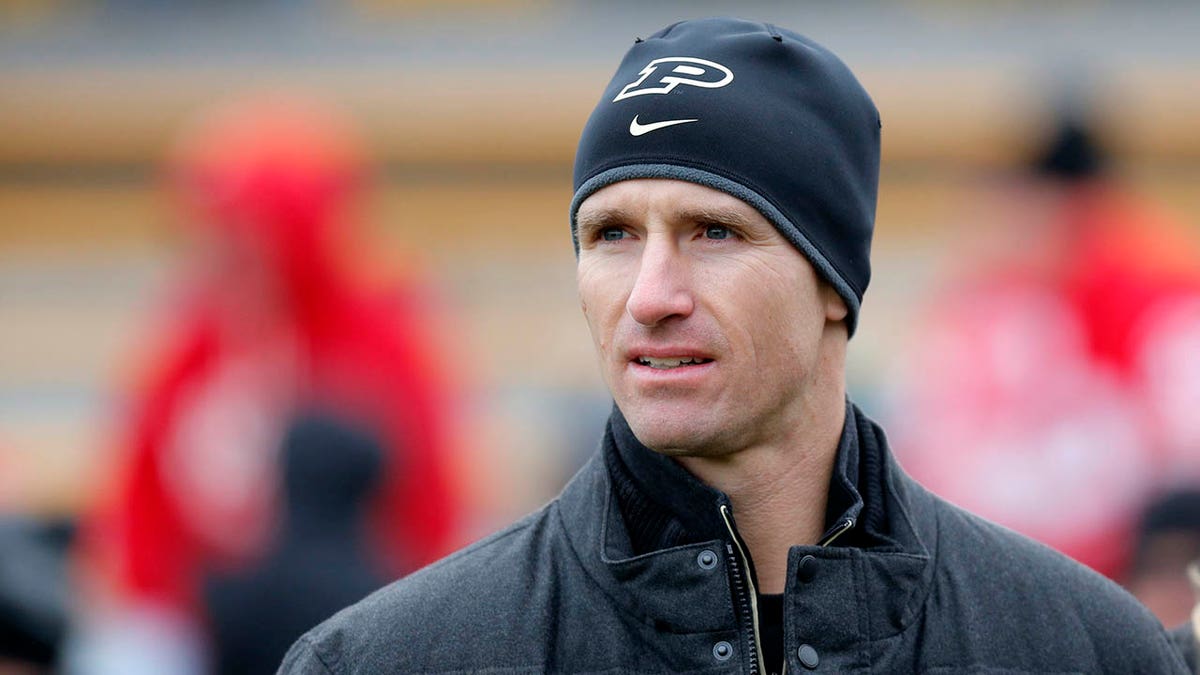
In 2006, NFL quarterback Drew Brees faced a crucial decision during his free agency. Coming off a severe shoulder injury while playing for San Diego, Brees was initially set to join the Miami Dolphins. The Dolphins had a strong team under coach Nick Saban, fresh from a 9-7 season. The offer was appealing, especially with former Dolphins owner Wayne Huizenga making an enticing case, even offering stories of luxurious summers in Scotland and no state income tax.
However, the situation shifted dramatically during a medical evaluation in Miami. Dolphins doctors doubted Brees’s recovery, giving him just a 25% chance to return to the field. This led Miami to reconsider their offer, opening the door for the New Orleans Saints.
At that time, New Orleans was recovering from the devastation of Hurricane Katrina. They had recently hired Sean Payton as their head coach, a relatively unknown figure in the NFL. Despite the city’s dire state, the Saints were committed to Brees, offering him the chance to lead as their franchise quarterback. For Brees, New Orleans presented an opportunity beyond football.
After visiting the city, witnessing houses on foundations and an upside-down truck in a living room, Brees and his wife saw it as a calling. They felt they could help rebuild one of America’s iconic cities. It wasn’t just about playing football, but about being part of a larger recovery effort.
Joining the Saints proved to be a wise decision. Brees led the team to victory in Super Bowl XLIV, marking a significant milestone in both his career and the city’s resurgence. Meanwhile, the Dolphins went with Daunte Culpepper, and Nick Saban eventually departed to coach at Alabama.
Brees’s story highlights how unforeseen circumstances, such as a failed medical evaluation and a personal leap of faith, can alter the course of sports history.
Leave a Reply