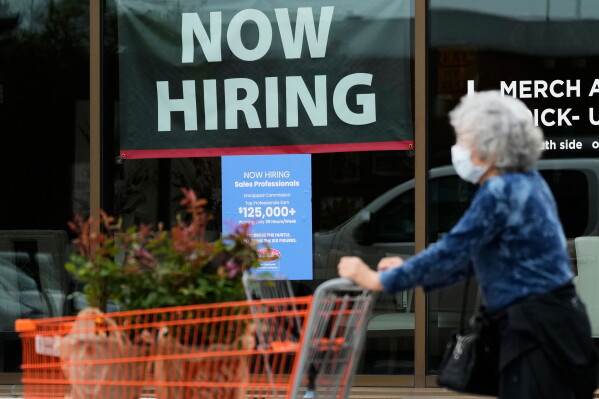
Economic changes are creating ripples throughout American lives. Trips to purchase everyday items and fuel are more expensive compared to last year. Rising costs are affecting decisions in households and businesses alike.
Recent Job Market Developments
U.S. employers unexpectedly cut 23,000 jobs last month. Revisions by the Labor Department erased 103,000 jobs from payrolls in May and June. While the unemployment rate fell to 4.1%, it was due to fewer individuals participating in the labor market, not job gains.
Local public schools reduced 50,000 positions in July. Restaurants, bars, and retail outlets saw cuts of 26,000 and 19,000 jobs respectively. Though this unemployment rate is the lowest since June 2025, it reflects decreased competition for jobs as 264,000 people exited the workforce. The employment rate dropped to 61.4%, the lowest since February 2021.
Job Openings and Labor Market Resilience
Despite a slight decline in job openings in June, the labor market showed resilience amidst global economic tensions, particularly in Iran. Job vacancies stood at 7.36 million, a decrease from May’s 7.54 million, aligning with economist predictions. Notably, warehouses, transport, and utility companies had an increase of 97,000 openings. Federal government jobs rose by 39,000 positions. However, openings decreased in non-durable goods manufacturing and wholesaling sectors.
Layoffs remained steady at 1.8 million, and an increase was noted in the number of individuals voluntarily leaving jobs, indicative of confidence in job prospects.
Mortgage Rates and Housing Market Impact
The average long-term U.S. mortgage rate saw a fifth consecutive weekly increase, reaching its highest in over a year. Freddie Mac reported the 30-year fixed mortgage rate increased to 6.69%, marginally up from the previous week’s 6.66%. Last year, the rate was 6.63%, remaining under current levels since late July 2025.
Higher mortgage rates translate to additional monthly costs for borrowers, diminishing purchasing power and often delaying home buying decisions. Consequently, U.S. home sales remain sluggish this year.
The borrowing cost for 15-year fixed-rate mortgages, popular for refinancing, dropped slightly to 6.01% from 6.04% the previous week. Last year, this rate was 5.75%.
Unemployment Benefits and Financial Markets
Applications for U.S. unemployment benefits increased modestly last week, yet layoffs continue to be within a historically healthy range. For the week ending August 1, jobless aid applications rose by 1,000 to 199,000. The prior week’s count was revised upward by 1,000 to 198,000.
Weekly jobless benefits claims act as a close-to-real-time indicator of the job market’s health.
On Wall Street, stocks gained ground and Treasury yields dropped following the unexpected job cuts report. The S&P 500 showed a rise, nearing a record previously set on Tuesday. Both the Dow Jones Industrial Average and the Nasdaq Composite saw increases, with every major index trending toward weekly gains.
Bond markets displayed a stronger response to weaker employment signals, potentially granting the Federal Reserve added scope before increasing interest rates to curb inflation.
Leave a Reply