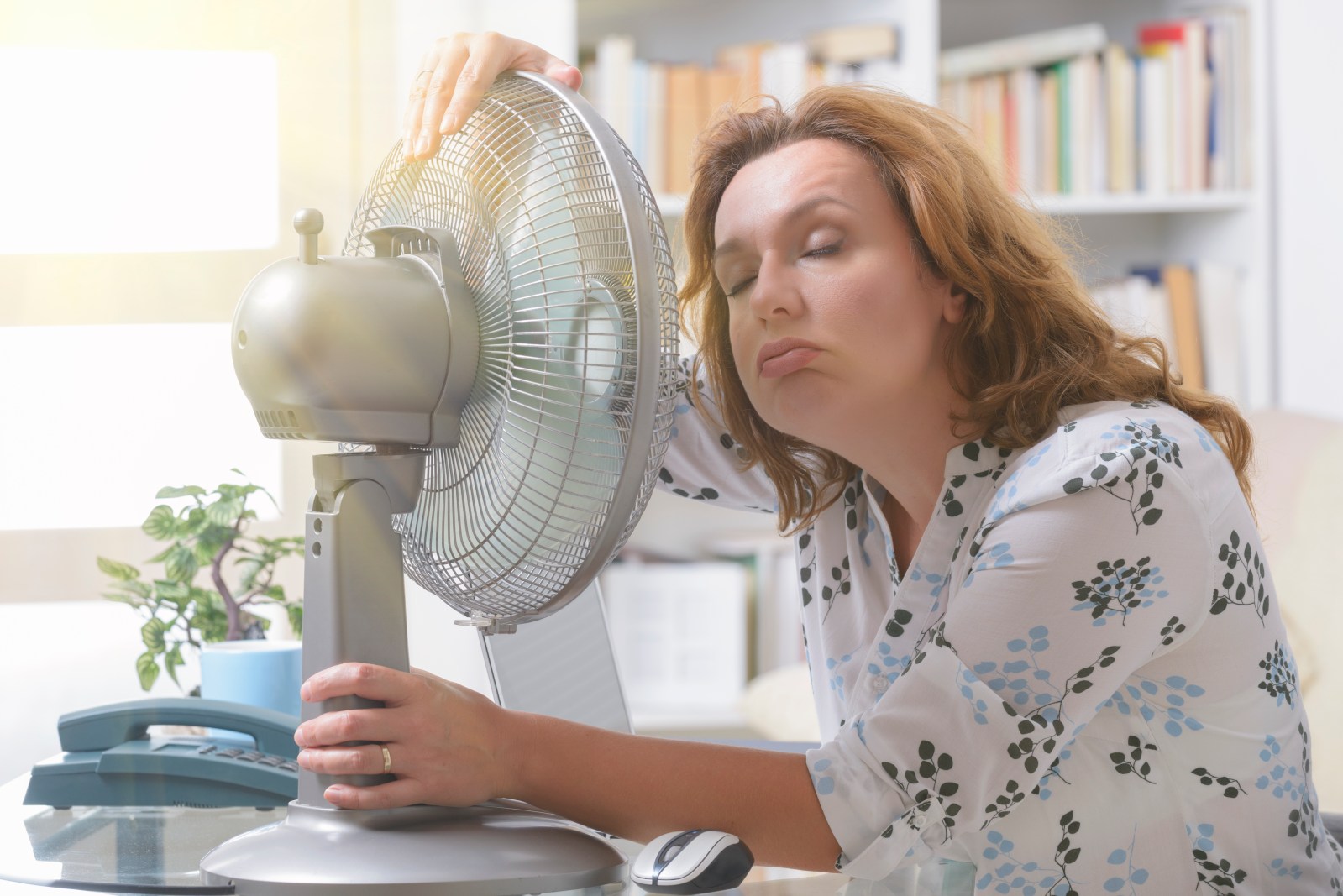
As heatwaves grow more intense and widespread, staying cool indoors shifts from being a comfort issue to a health priority. Recently, millions across the US have faced extreme heat warnings, with forecasters describing some events as “once-in-a-century.” Some parts of the Northeast have seen temperatures surge into the triple digits. A developing ‘super El Niño’ could make future summers even hotter and more challenging to endure.
The National Weather Service has urged people to stay indoors during peak heat, warning that prolonged exposure may result in serious health risks, particularly for older adults, children, and those without air conditioning. However, there are practical strategies to make your home cooler and more comfortable without AC.
Blocking the Sun
Begin with a simple step: block the sun. Heat accumulates quickly when sunlight streams through windows. Close your blinds or curtains during the hottest part of the day. According to Matt Plouffe, an engineering consultant at Efficiency Vermont, summer sun delivers heat directly through windows. Keeping shades closed during peak sun hours can noticeably lower indoor temperatures.
Adjusting Your Routine
Switch up your routine to minimize additional heat sources. Appliances such as ovens, dishwashers, and dryers generate heat, complicating efforts to cool down. Plouffe advises shifting these tasks to later in the day. Cooking outside or choosing meals that don’t require heating up the house helps reduce indoor heat.
At night, when outdoor temperatures drop, open windows to create a cross-breeze. This allows cooler air to circulate as you sleep. Plouffe advises leveraging cooler summer evenings by opening windows to promote airflow. Remember to shut them again in the morning before the heat builds.
Effective Use of Fans
Fans can aid cooling if used properly. Fans move air rather than cooling it. Direct them at yourself for relief or place them near windows at night to draw in cooler air. Ceiling fans should rotate counterclockwise in summer to push air downward.
Interior Adjustments
Small changes in your living space can also help. Swap heavy fabrics for lighter ones. Natural fibers like linen and cotton breathe and feel cooler than synthetic materials. Lenka Ilic, principal architect at Apartment Renovation NYC, states that these materials help your space feel less stifling.
Removing rugs can prevent heat from accumulating at floor level. Focus cooling efforts on frequently-used areas by closing doors to unused rooms. Consumer finance expert Austin Kilgore recommends utilizing naturally cooler spaces, like basements, for sleep during warm nights.
Long-Term Modifications
Thermal blinds can lower indoor temperatures by several degrees. Monitor how sunlight moves through your home to stay ahead of the heat. Adjusting window coverings as sunlight shifts can make a significant impact.
Consider external structures, such as overhangs, shutters, or awnings, to block sunlight before it reaches windows. Ilic points out these features are more effective than indoor blinds at stopping heat at the source.
Proper ventilation design aids cooling as well. Warm air rises and exits at higher levels, drawing in cooler air at lower levels—improving airflow without energy use.
Materials matter. Surfaces like stone, tile, or concrete absorb heat during the day and release it slowly at night, stabilizing indoor temperatures. Lighter wall colors reflect heat rather than absorbing it.
No single change resolves extreme heat. Cooling is cumulative, requiring several layered strategies.
By layering practical steps, you can manage the heat effectively without relying solely on air conditioning.
Leave a Reply