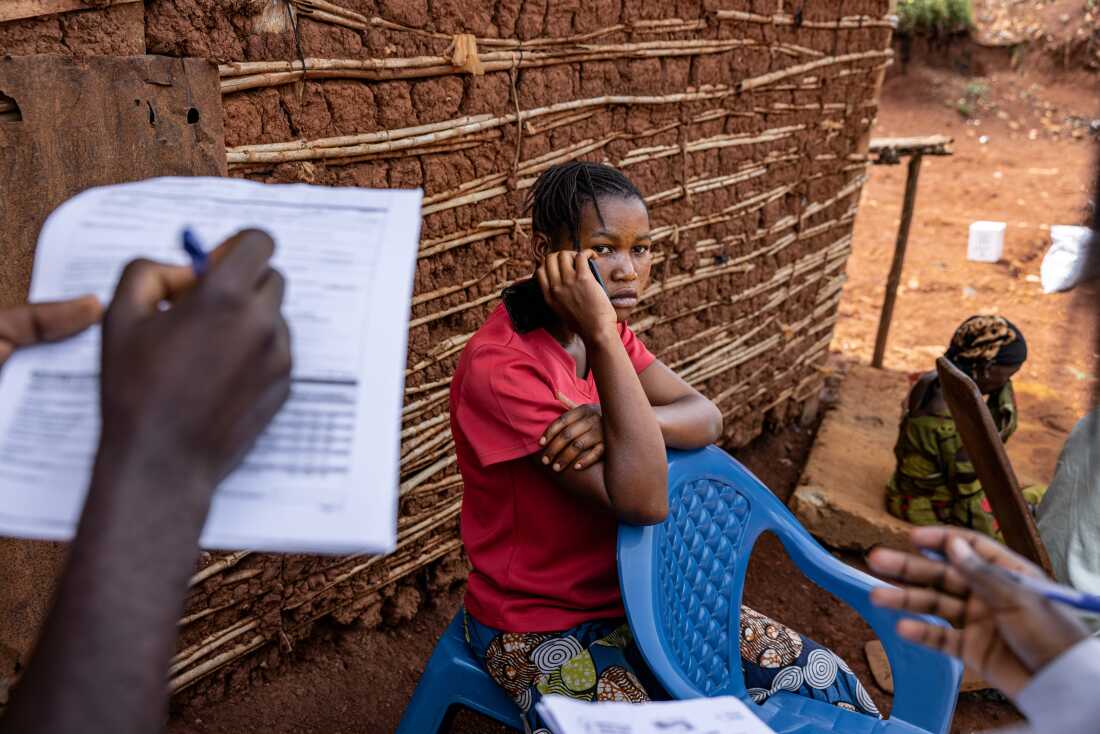
The Democratic Republic of Congo faces a challenging Ebola outbreak. Health investigators are conducting contact tracing to identify those who interacted with infected individuals. This task is crucial for controlling the virus, as stated by Armand Sprecher, an infectious diseases physician from Doctors Without Borders.
Contact tracing involves finding out who had interactions with a sick person, including caregivers, family members, and attendees of funerals. Since Ebola spreads through bodily fluids, locating all potential contacts quickly is essential. Notifying these individuals and monitoring their health can prevent further virus transmission and allow early treatment.
Sprecher explains the intense labor required for efficient contact tracing and its importance in managing outbreaks. Despite efforts, health officials are still struggling to control the current situation. Over two months in, Ebola has killed more than 1,000 people and has sickened over 2,400. Cases continue to rise, with over 80% originating outside known contacts.
Nahid Bhadelia, an infectious disease physician at Boston University, highlights the alarming nature of finding new cases beyond known contacts. This suggests that the virus’s reach is underestimated and contact tracing isn’t comprehensive enough. The region’s transient workforce and conflict compounds the difficulty in tracking cases.
The WHO is training 21,000 community workers to aid contact tracing, though entire transmission chains may occur unnoticed until a person is very ill or has died. Bhadelia notes that late presentation for care can reduce survival rates, as many deaths are occurring outside of health systems.
Boghuma Titanji from Emory University emphasizes that many individuals avoid clinics due to stigma and mistrust. Instead, they often resort to traditional healers or remain hidden with their families. The lack of visibility makes the situation more daunting, akin to seeing just the tip of the iceberg.
Building trust with affected communities is vital, according to Bhadelia. Clinical trials for treatments and preventive drugs are underway, offering hope for better care. While access is limited, these advances could encourage more people to seek help and engage with health systems.
For progress in controlling the outbreak, improving care and offering promising treatments are essential. Increased trust and access to effective therapies could lead to a more comprehensive management of Ebola in the DRC.
Leave a Reply