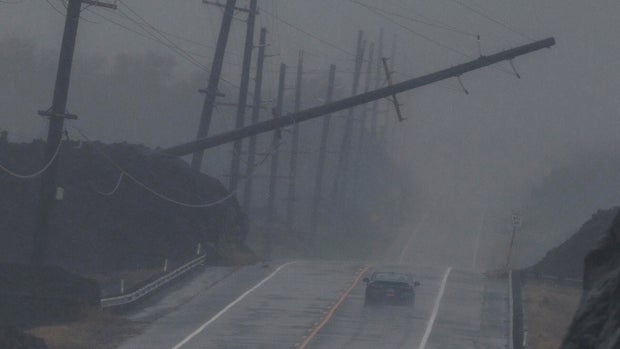
This year, the Atlantic hurricane season has been unusually calm. An intense El Niño is suppressing storm development in the region. As of now, no Atlantic hurricanes have formed, and none are expected to appear in the upcoming week. This occurs even during what is considered the peak season, according to the National Hurricane Center.
Record-Setting Calmness
The current season has set a new record for the latest start without a hurricane, at least during the satellite era, noted Nick Novella from the Weather Prediction Center. Prior to the 1950s, records of hurricane activity were unreliable due to incomplete ocean monitoring. However, based on present data, hurricane activity in the Atlantic is at a historic low, only 7% of the normal level.
Comparison to Past Seasons
Colorado State University’s hurricane expert, Phil Klotzbach, revealed hurricane activity measurement is at a record low post-1950. Predictions had indicated the formation of nine named storms in the Atlantic this season, yet the activity remains sparse.
Potential Dangers Despite Calm
Even though conditions are calm, experts caution against complacency. A single storm can still have catastrophic outcomes. The infamous Hurricane Andrew of 1992 is a reminder of potential danger. That storm also developed late in the season during an El Niño year.
El Niño’s Triple Whammy
Kristen Corbosiero from the University at Albany stated the Atlantic currently faces conditions hostile to hurricane formation. High wind shear, dry air, and downward-pushing winds are all disrupting potential cyclone formations. These are common impacts of El Niño, a periodic warming in the equatorial Pacific influencing global weather patterns.
“It’s really staggering how inhospitable the Atlantic is to anything that could form a tropical cyclone right now.” — Kristen Corbosiero
El Niño Impact
The pattern has caused record wind shear in the Atlantic, tearing apart developing storms. Brian McNoldy from the University of Miami explained that these conditions cut off the upper parts of storms before they develop. However, some regions, like the Gulf of Mexico, may still see stronger storms later in the season.
Additionally, despite record warm ocean temperatures, the Atlantic waters have not warmed as quickly as the atmosphere. According to MIT’s Kerry Emanuel, the temperature difference between the ocean and air affects storm potential, with warm waters fueling hurricanes.
Predictions for Future Seasons
Looking ahead, as El Niño subsides, the persistent warm water could lead to increased storm activity next season. This calm season in the Atlantic contrasts with heightened activity in the eastern and central Pacific, where storms have been more frequent and intense.
The eastern Pacific has recorded 16 named storms, and 20 in the central Pacific. Hawaii has experienced significant impacts, with hurricanes Lowell and Lala causing widespread rain, power outages, and infrastructure damage.
While forecasters anticipated a slow Atlantic season due to El Niño, the extent of inactivity has surprised even experts, including Brian McNoldy.
Leave a Reply