Background on U.S. Venezuela Policy
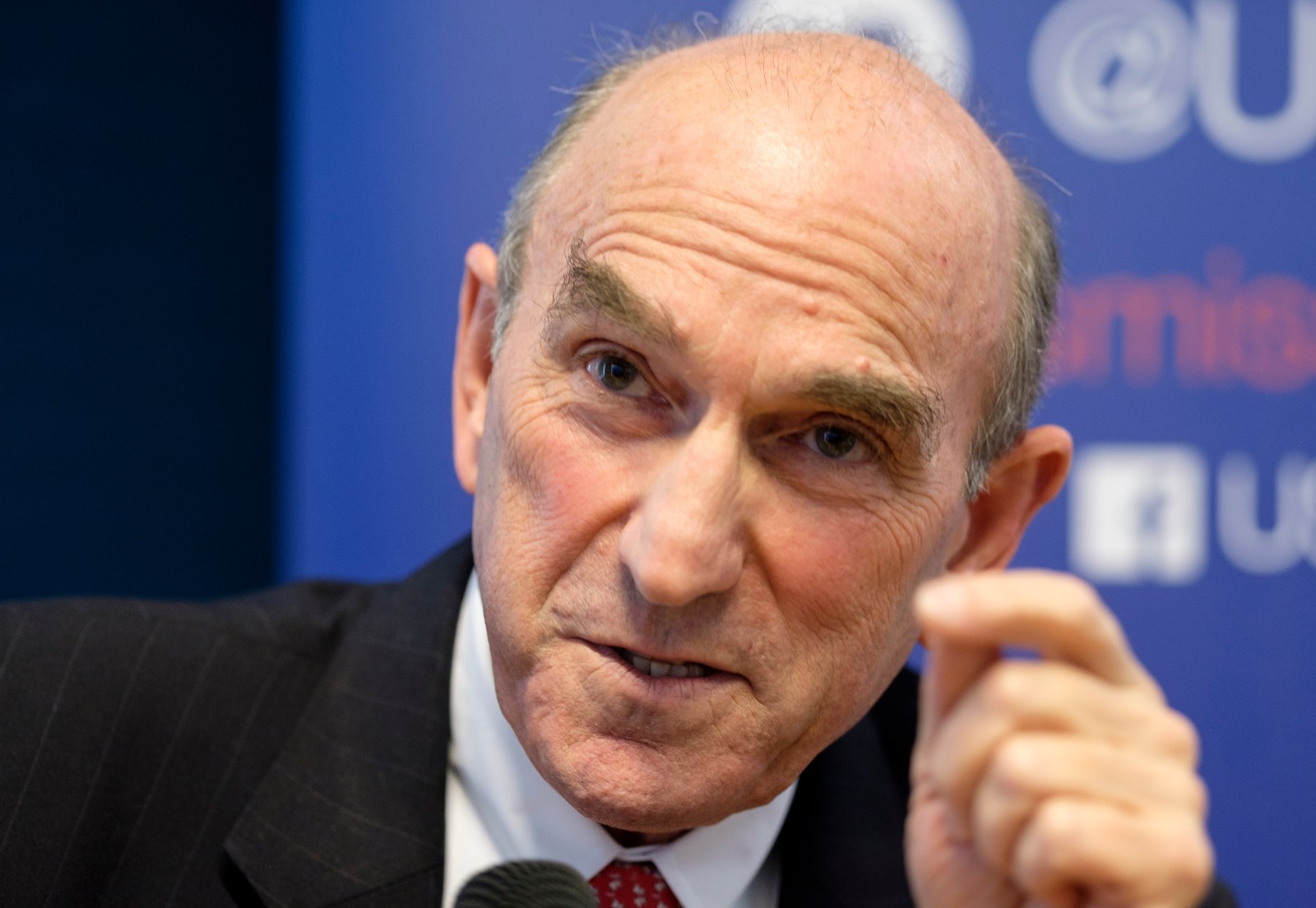
Elliott Abrams, a key figure in shaping the Trump administration’s initial Venezuela strategy, has voiced criticism of the current U.S. policy. The early strategy backed Juan Guaidó, aiming to remove President Nicolás Maduro. Nine months after Maduro’s removal, Abrams opposes the administration’s approach.
Oil Deal with Comments from Abrams
Abrams criticized a new oil deal between the U.S. and Venezuela’s interim government, calling it a “shameful sellout.” The agreement, he argues, benefits the U.S. financially but strengthens interim President Delcy Rodríguez’s power.
The deal awards NABEP, a firm led by Venezuelan businessman Alejandro Betancourt, rights to 17 oil fields. The U.S. State Department gains the option to buy 20% of the output at production cost. In return, the Department of War receives a 35% equity stake in NABEP’s parent company.
Opposition and Controversy
The arrangement has faced criticism across Venezuela’s political spectrum. Opposition highlights Betancourt’s controversial background, with ongoing investigations in Switzerland and Spain for alleged money laundering.
Abrams noted that NABEP lacks a public track record in the oil industry. Despite this, the State Department defended Betancourt’s capabilities.
Critique of U.S. Strategy
During an interview with Newsweek, Abrams accused the administration of squandering the opportunity to restore democracy in Venezuela. He highlighted a shift from a pro-democracy stance, noting President Trump’s favorable remarks about Delcy Rodríguez.
Abrams criticized the administration for not pressing for election arrangements. He claimed Trump doesn’t prioritize democracy efforts in Venezuela.
Rubio’s Role and Risks
Senator Marco Rubio once advocated for democracy in Latin America, including Venezuela. Now, reports suggest a friendlier approach with the current Venezuelan government.
Abrams warned of risks, highlighting Delcy Rodríguez and Alejandro Betancourt as unsuitable U.S. partners due to their connections with the former regime.
Betancourt’s Controversial Involvement
Betancourt’s involvement raises concerns due to historical allegations of corruption tied to the Chávez and Maduro administrations. For Venezuelans, he represents the manner of business under the previous regime. The U.S. choice to partner with him stands against the ideals of clean governance and free enterprise.
Impact on Political Transition
Abrams believes the oil deal complicates political transition efforts. He emphasized the importance of setting an election date and warned that the U.S.’s actions might erode goodwill among Venezuelans who hope for democracy.
He speculated about the deal’s longevity, calling it unconstitutional and highlighting potential commercial challenges.
Regional Credibility Concerns
Abrams expressed concerns about the deal’s effects on U.S. credibility in Latin America. He argued the agreement undermines the U.S.’s image as a promoter of democracy and freedom, with implications for relationships in an era of China’s and Russia’s influence.
Machado’s Position
Despite challenges, opposition leader Maria Corina Machado remains popular in Venezuela. Abrams noted her distancing from the U.S. oil deal helps her maintain credibility.
She faces a complex situation, needing to criticize the deal without attacking President Trump.
Misunderstandings About Key Figures
Americans often misunderstand Delcy Rodríguez, Jorge Rodríguez, and Diosdado Cabello. These figures, associated with Maduro’s regime, have contributed to undermining democracy in Venezuela.
Abrams highlighted their role in transforming a once-rich nation into a place of economic struggle and political repression.
Advice for the U.S. Administration
Abrams recommends the U.S. administration push for a set election date, release political prisoners, and allow exiles to return home. He stressed the necessity of organizing Venezuelans’ frustrations politically.
Challenges with Military Acceptance
Abrams noted past transitions in Latin America negotiated roles for the military. Addressing military concerns in Venezuela could similarly facilitate a democratic transition.
For effective transition, the U.S. must firmly support democratic efforts.
Leave a Reply