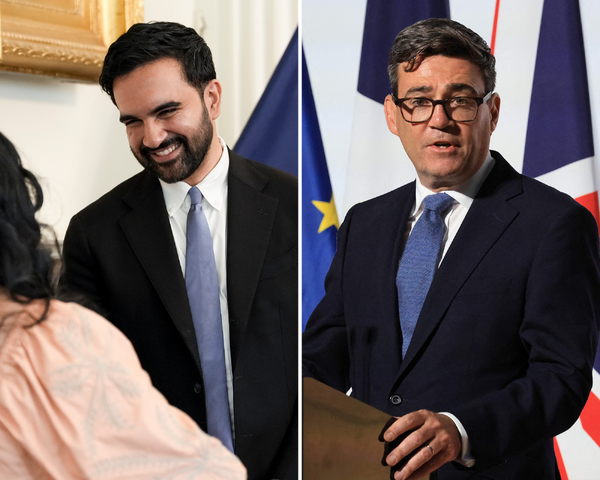
Recent conversations with Zohran Mamdani, the New York City mayor, revealed his continuing popularity over six months into his term. Mamdani’s 58 percent approval rating is impressive, a mark national leaders often aspire to but rarely achieve.
Mamdani’s success can be attributed to his political skills and rapid implementation of popular initiatives. However, one wonders if his role as a mayor contributes significantly to his popularity.
Mayors Defy Anti-Incumbency Trend
Across the globe, mayors of various political affiliations seem to defy the recent trend of anti-incumbency. This article explores the concept of “mayor magic” and considers whether national leaders can learn from these local successes.
Zohran Mamdani is an example of such a phenomenon. He is more popular now than when he was first elected. This is notable in an era where incumbents often lose ground. In 2024, all incumbents in major developed economies lost vote share in national elections. Yet, Eduardo Paes, the former center-right mayor of Rio de Janeiro, secured a fourth term with over 60 percent of the vote. Similarly, Andre Dickens, the center-left mayor of Atlanta, was re-elected the following year with an astounding 85 percent of the vote.
Not every mayor enjoys such success. Some face issues like corruption, disappointment, or electoral defeat. Despite this, it’s remarkable that many mayors, on both political sides, maintain voters’ trust. This is in stark contrast to national politicians who frequently struggle to retain public confidence.
Leave a Reply