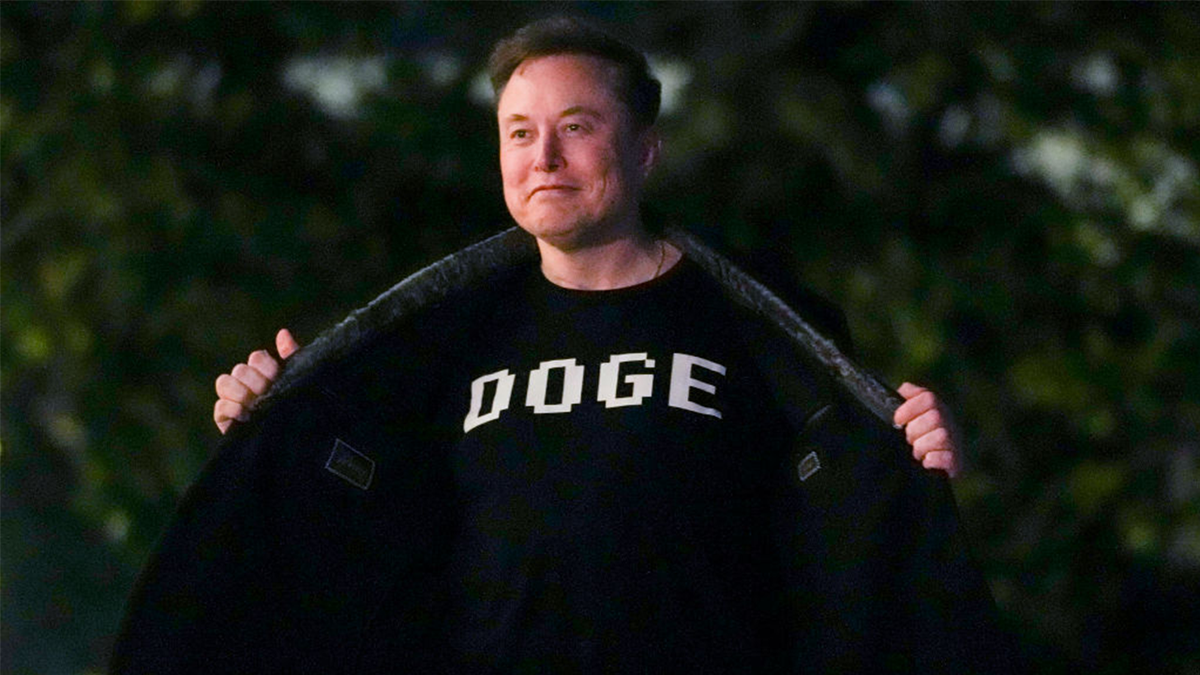
Elon Musk has been appointed to a pivotal role in a Pentagon initiative aimed at shaping the future of warfare. Secretary of War Pete Hegseth announced Musk’s involvement in Project Meridian, a new effort to predict and prepare for future military needs.
Project Meridian
Musk will collaborate with defense tech leader Palmer Luckey and former Speaker Newt Gingrich. The project, under the oversight of Chief Technology Officer Emil Michael, seeks to identify emerging domains in warfare and necessary U.S. military capabilities.
Hegseth highlighted the need for external insights during his State of the Force address at Marine Corps Base Quantico. He emphasized biases within the Pentagon that necessitate external participation from knowledgeable figures like Musk.
“The best forecasters of future conflict do not solely reside inside the Pentagon,” Hegseth stated.
Project Meridian will rigorously analyze the trajectory of future wars and technologies, sharing findings publicly, alongside classified insights, after a 120-day review period. Its scope is extensive, spanning from subterranean issues to space exploration.
Experience and Potential Conflicts
Musk and Luckey bring considerable experience in military technology. SpaceX, Musk’s company, partners with the Pentagon, and Luckey’s Anduril Industries focuses on autonomous weaponry. Their industry roles provide crucial insights but also raise questions about potential conflicts of interest.
Other Initiatives
Project Meridian forms part of a larger strategy by Hegseth to integrate autonomous warfare and rapidly evolving technologies into the military. He announced the creation of the Autonomous Warfare Command, also known as AUTOWARCOM. This command will expand autonomous and robotic warfare capabilities.
The Pentagon is updating its occupational frameworks to support a new wave of ‘autonomous warfighters,’ responding to technological advancements anticipated by Meridian.
State of the Force Address
During the address, Hegseth introduced six new initiatives, including measures to protect U.S. bases and defense supply lines from foreign risks. This annual speech aims to evaluate military readiness and future directions.
The audience this year shifted to younger military leaders, reflecting Hegseth’s intention to foster a forward-thinking environment. He passionately clarified efforts to fundamentally transform military culture and operations.
In his remarks, Hegseth criticized the media for perceived biases, describing their actions as detrimental to the military’s mission. He asserted a strong stance against such influences on military judgment and decision-making.
Leave a Reply