Challenges Women Face in Kenyan Construction
In Nairobi, Kenya, the construction industry is booming, yet women remain underrepresented. Despite the sector’s growth into a multi-billion-dollar industry, women account for only 3% of Kenya’s accredited construction artisans. They often find themselves in informal roles, like carrying water or cleaning sites, rather than specialized and better-paying positions.
The disparity is compounded by traditional gender roles, which saddle women with unpaid caregiving and household duties. This limits their ability to access formal employment and career advancement in construction.
A vibrant construction site at Furniture International showcases the challenges. Diana Ojiambo, a young machine operator, describes her hesitance to speak up in a male-dominated environment. She’s part of a small group of women who have ventured into the industry, hoping to overcome these hurdles.
Buildher Initiative: Changing the Landscape
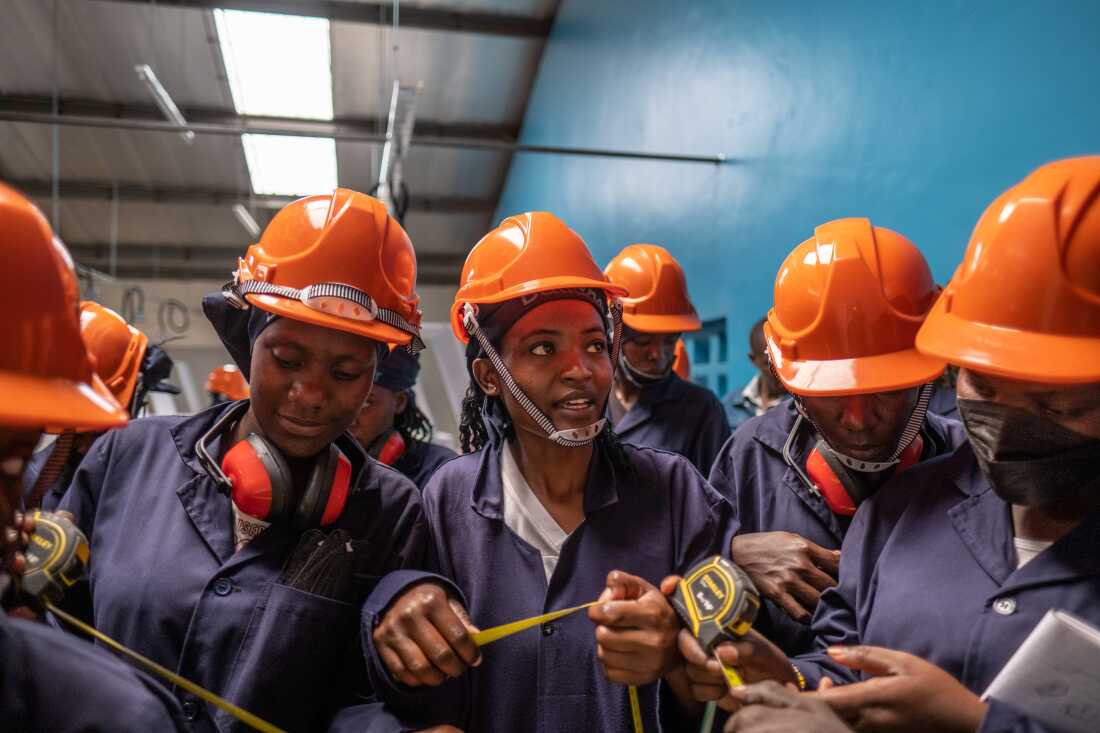
Buildher, a nonprofit based in Nairobi, strives to bridge the gender gap in construction. Offering year-long training and internships in carpentry, tiling, painting, and similar trades, Buildher seeks to provide women with the skills needed to secure better-paying jobs.
Since 2019, Buildher has trained over 1,000 women, significantly boosting their daily earnings from $1.50 to between $11 and $12. A 2024 study indicates that 65% of graduates remained in the construction field a year after completing their training, highlighting the program’s impact.
Cofounded by architect Tatu Gatere, Buildher’s mission is to dismantle the mental barriers preventing women from recognizing their potential in the construction trades. Describing the initiative’s growth, Gatere emphasizes the role of personal stories and peer encouragement in attracting new participants.
Personal Journeys and Future Aspirations
For women like Diana Ojiambo, Buildher transforms lives. A single mother living in Kibera, Ojiambo struggled financially before encountering Buildher’s training program. Now, she’s planning to launch her own carpentry business, determined to challenge stereotypes about women’s capabilities in construction.
Orientation for new trainees unfolds at Buildher’s training center. Sixteen women begin a solar installation course, now part of the program’s expanded technical offerings. Trainer Robert Ndungu emphasizes the transformation trainees undergo, from knowing nothing about trades to securing income that supports their families.
The journey doesn’t come without personal hurdles. Many trainees face domestic resistance and societal expectations, but Buildher equips them with resilience. Incorporating yoga, mindfulness, and calisthenics, the curriculum helps build emotional and physical confidence. Mental health and nutrition support further address workplace and home challenges.
Success Stories and Industry Impact
Buildher graduates report not only increased income but greater participation in household decision-making, thanks to both technical and soft skills training. Naoko Koyama, a Dalberg partner, notes that this model can inspire change in other male-dominated sectors.
Ruth Kiarie, newly enrolled in painting and decorating, reflects her ambitions beyond vocational skills. Her experience in Kibera’s community project sparked an interest in color psychology, shaping her dream to influence mood and behavior through color choices.
Expanding Opportunities at Tatu City
Tatu City, a mixed-use development symbolizing Nairobi’s urban transformation, offers an arena for Buildher’s aspirations. Around 50 trainees contributed to projects like the Eneo office complex, impressing contractors enough to earn full-time roles.
Pumi Lukhele, from Gateway Real Estate Africa, praises the trainees’ professionalism and ability to integrate feedback. Buildher’s ongoing collaborations with 150 employers aim to increase women’s industry presence from 3% to 10% by 2030.
As Buildher addresses workplace conditions, aiming for safe and dignified environments, Gatere envisions a future with women-owned businesses and independent contract bids. She advocates for more than marginal progress — striving for substantial change.
Margaret Klamaitha, a Buildher-trained tiler now working at Tatu City, represents the hope for broader opportunities. She sees her current job as a stepping stone towards starting her own business, driven by a mindset that defies gender-based limitations.
Her perspective underscores Buildher’s ethos: empowering women with not just skills, but confidence and ambition.
Leave a Reply