Recent reports highlight concerns regarding traditional methods in medical education. These methods often leave clinicians ill-prepared to interpret electrocardiograms (ECGs). A study involving diverse healthcare providers revealed accurate ECG interpretation occurs only 56.4% of the time on average. Even during critical cardiac situations, error rates range from 25% to 30%. Over-reliance on computer interpretations or textbook patterns without understanding physiological contexts can amplify errors.
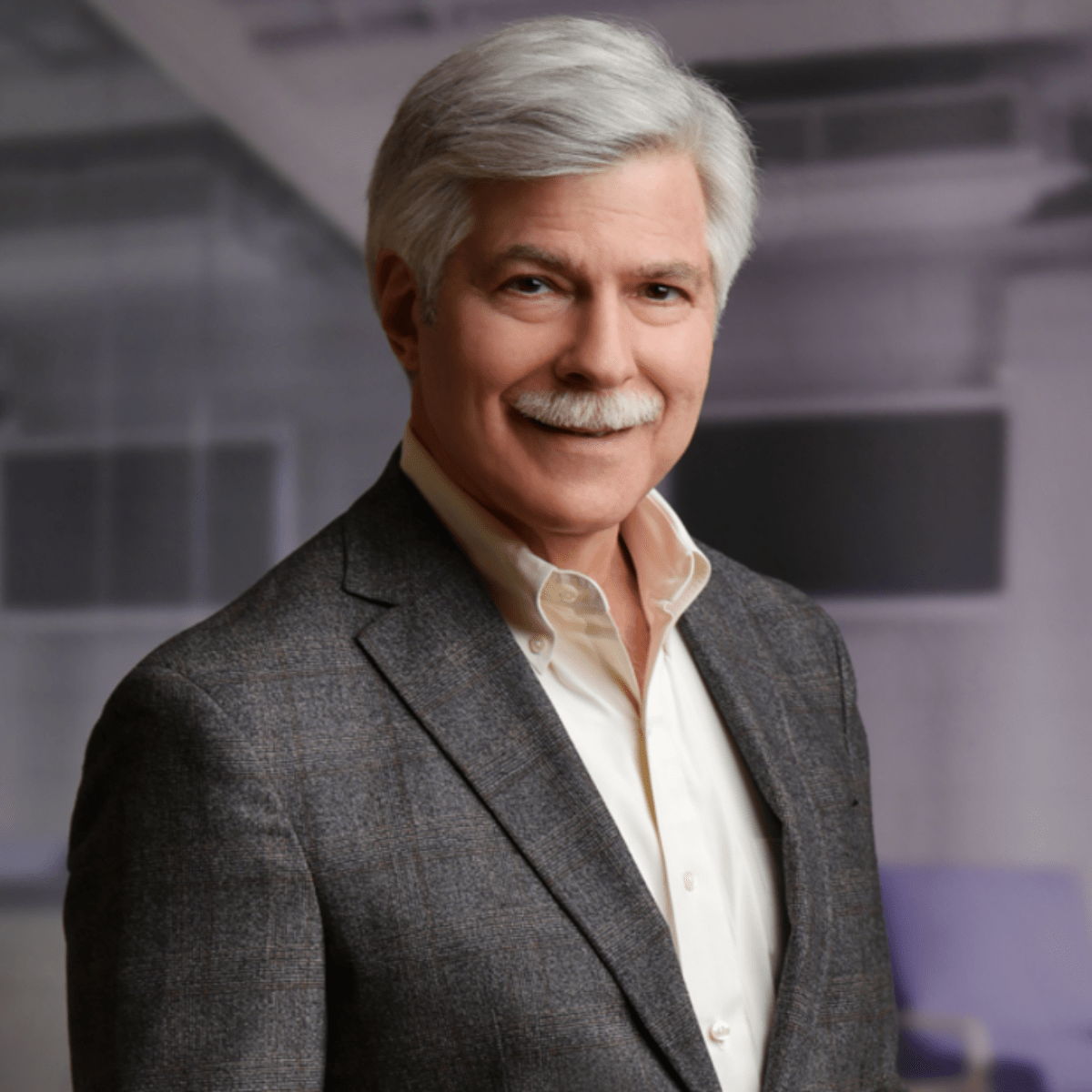
Dr. Nicholas Tullo emphasizes that ECG education must advance beyond surface memorization. Relying solely on memory aids can lead to unnecessary procedures, delayed diagnoses, and diminished clinician confidence. Tullo’s mission is to foster a deeper understanding of ECG physiology.
As a medical student, Tullo aspired to surgery, attracted by its intensity. However, his clinical experiences guided him to cardiology, particularly the heart’s electrical aspects. This career shift aligned with his skills and interests in the heart’s function.
Music has significantly influenced Tullo’s life. A guitarist and drummer, he uses musical training to decipher ECGs as musical scores. Musical compositions’ patterns, variations, and shifts helped perfect his detail-oriented and analytical approach to rhythm disorders.
Tullo identifies gaps between classroom teachings and real-world clinical challenges. Traditional ECG education often limits itself to pattern recognition and memory shortcuts. Patients, however, present varied rhythms impacted by numerous physiological factors.
“Many practitioners look mainly at surface patterns without fully understanding the physiology behind them. That gap sometimes leads to extra procedures, delays in diagnosis and a drop in confidence,”
To bridge this gap, Tullo developed practical lessons explaining not just ECG appearances, but their physiological reasons. Early lessons were recorded at home, and their popularity grew through word of mouth and online sharing, eventually establishing ECG Academy. This platform offers concise coaching, advanced courses, and credible continuing education. Its flexible structure suits busy healthcare professionals, allowing them to revisit essential concepts.
The program’s pillars include simplifying complexity for clarity, humanizing education through real clinical experiences, and teaching rhythm as a language. This approach allows clinicians to interpret ECGs through understanding rather than memorization.
Learners explore ECG physiology, apply knowledge through video tutorials, case walkthroughs, interactive exercises, and live reviews. “The goal is to have clinicians who read ECGs more accurately, teams that escalate appropriately and patients who benefit from faster and safer decision-making,” Tullo expresses.
Clinical practice and research are woven into the curriculum, shaped by Tullo’s extensive experience in patient care and leading diagnostic improvement initiatives. With growing demands for better diagnostic accuracy, Tullo’s approach advocates for comprehensive clinical skills over mere memorization.
By integrating scientific insight, practical application, and musical discipline, Tullo supports transformative listening to the heart’s electrical signals. His efforts aim to improve clinician confidence and cardiac care delivery.
Leave a Reply