Conflict Over Desalination Sites
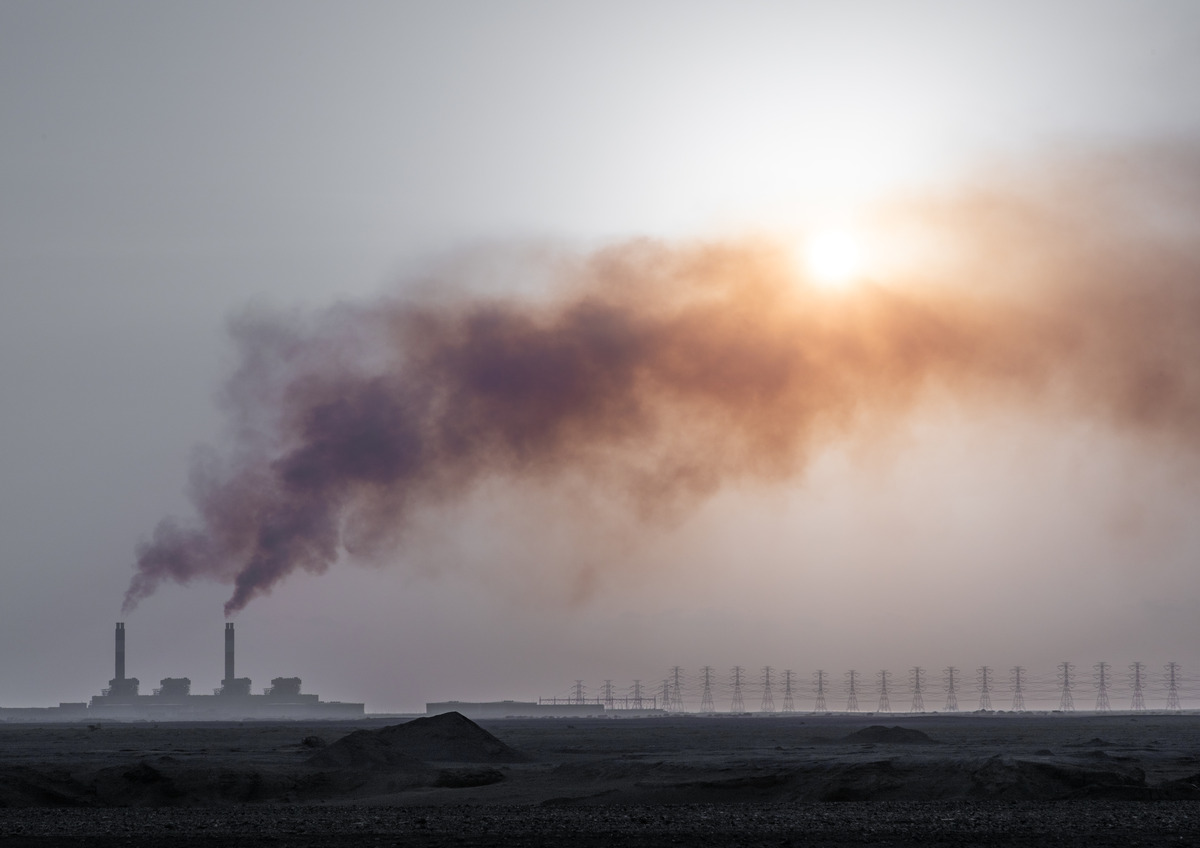
Iran reportedly attacked desalination sites in Kuwait twice over the weekend. Kuwaiti authorities confirmed the attacks while Iran reported a similar strike on its facility. The second strike in Kuwait triggered a fire in numerous electricity generation units, according to the country’s electricity, water, and renewable energy ministry.
Kuwaiti officials described the incident as a ‘hostile attack,’ which ignited a part of their joint desalination and power plant. This forced the disconnection of several electricity generation units. Residents were urged to reduce their electricity and water usage as a precaution.
Regional Military Responses
Iran’s military announced attacks on an air base, a port in Bahrain, and a Kuwaiti military base where U.S. special forces are stationed. Concurrently, Iranian media reported a U.S. strike on an Iranian desalination plant on Saturday. This cut water supply for about 10,000 people.
Experts highlight vulnerabilities of desalination plants in the Gulf and Middle East, where they’re prone to attacks and natural disasters. Yossi Mekelberg from Chatham House described these attacks as a ‘massive’ conflict escalation, predicting possible retaliations.
The Role and Vulnerability of Desalination Plants
Desalination plants are crucial for removing salts and minerals from seawater, providing fresh water for daily use, agriculture, and critical infrastructure like hotels and hospitals. According to the World Health Organization, losing access to desalinated water could result in the spread of diseases and force populations to relocate.
The process, known as reverse osmosis, serves tens of millions in the Gulf. There are approximately 5,000 such plants in the Middle East, with 56 in the Gulf providing a significant portion of its desalinated water. In Kuwait, desalination accounts for about 90% of drinking water, similar to Bahrain and Qatar, where it reaches 99%.
Despite reliance on these plants, countries like Qatar have extensive storage facilities to manage short-term disruptions. Saudi Arabia and other nations supplement these with alternative clean water sources. However, experts note that desalination plants are energy-intensive and costly, posing a strategic vulnerability.
Damage to these interconnected facilities can impact both water and electricity supplies. A report by the Atlantic Council warned of devastating consequences if the Gulf’s desalination infrastructure were destroyed.
Allegations and Strategic Consequences
In March, Iran’s diplomat Abbas Araghchi accused the U.S. of striking a plant, affecting 30 villages’ water access. The U.S. denied targeting facilities on Qeshm Island. Araghchi called the alleged strike a ‘dangerous move,’ cautioning about serious repercussions.
More recently, an Iranian lawmaker claimed U.S. attacks on a Hormozgan desalination plant damaged equipment needed for seawater intake. Despite these claims, Tehran’s energy ministry confirmed all plants along its southern coast are operational, with no water shortages reported on its islands, according to IRNA.
Leave a Reply