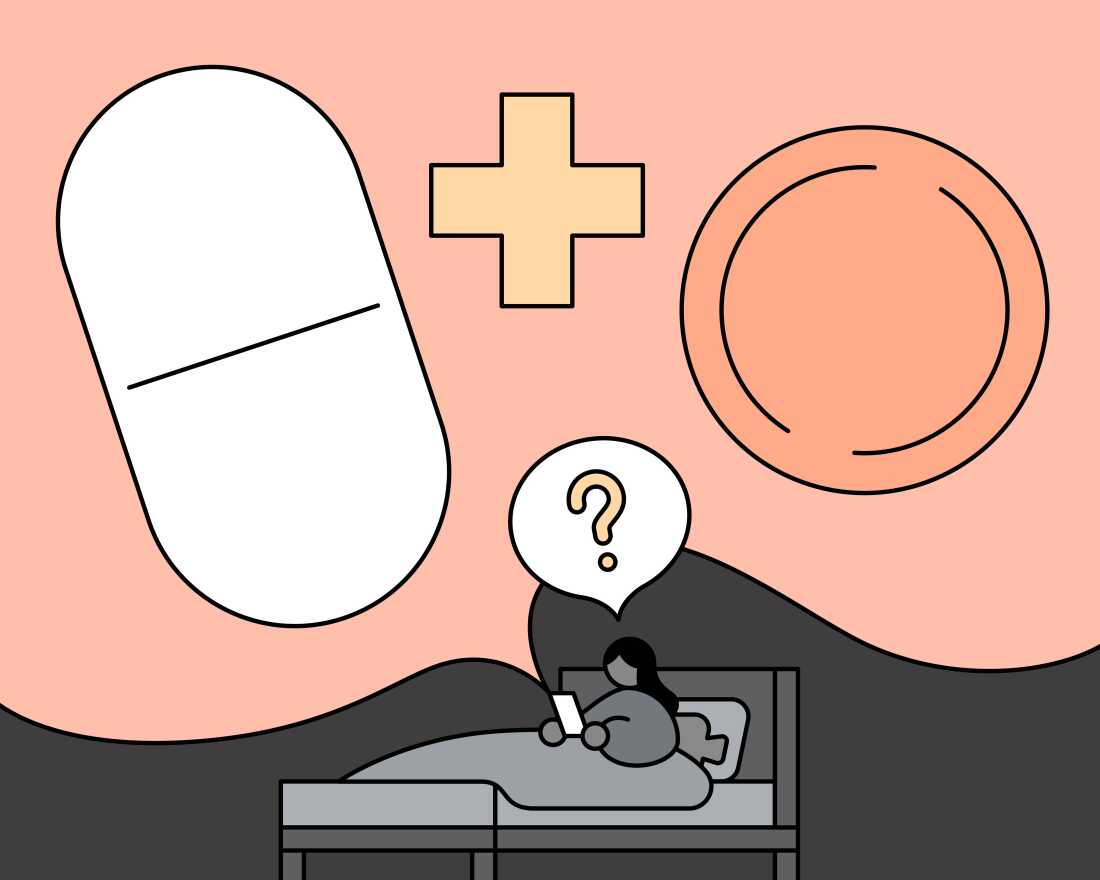
People experiencing discomfort before their period have found potential relief through an emerging TikTok trend. This method involves combining two over-the-counter medicines: an allergy pill, such as Claritin or Zyrtec, and Pepcid AC, a heartburn treatment. While it may seem unconventional, Terese Hansen from Omaha, Nebraska decided to try this remedy after years of unexplained symptoms, including nausea, heartburn, and erratic body temperature. Her symptoms often intensified around her menstrual cycle, causing emotional distress and social isolation.
Hansen learned about this trend through TikTok videos sharing success stories in easing premenstrual dysphoric disorder (PMDD) symptoms, characterized by depression and anxiety from hormonal shifts preceding menstruation. After consulting her doctor, she decided to test this combination of medications for herself. Remarkably, Hansen noticed a significant improvement in her physical wellness, vitality, and mood, impacting her relationships both at home and work positively.
“My kids noticed, my boyfriend noticed. My boss noticed.”
TikTok claims suggest this drug combination alleviates premenstrual discomfort by reducing irritability and boosting energy levels. Some perimenopausal individuals also report symptom relief with this method. However, there is no scientific evidence or clinical testing to verify this trend’s safety or efficacy. Leigh A. Frame from George Washington University highlights the lack of evidence regarding its effectiveness, cautioning that these claims remain without scientific validation. Despite this, experts acknowledge a plausible biological basis related to histamine impacts.
Histamine, released during allergic reactions, can cause inflammation and discomfort. Histamine levels may also fluctuate with the menstrual cycle due to changes in estrogen, which stimulates histamine release, while progesterone acts as an antihistamine naturally. As progesterone levels drop before menstruation, histamine levels could potentially trigger symptoms of moodiness and discomfort. Dr. Mara Rivera notes that antihistamines like Pepcid AC and allergy medications may help manage these effects by targeting histamine receptors, acting similarly to the effects of progesterone.
Rivera adds that histamine interacts with neurotransmitter systems like serotonin and dopamine, and her patients have reported mental health improvements after using antihistamines for other conditions. However, she cautions that historical anecdotes about symptom management, though sometimes revealing truth, lack rigorous scientific backing.
“Women have been doing this forever, just talking to one another, and seeing what works.”
Dr. Tami Rowen from the University of California, San Francisco notes that patient benefits may stem partly from the placebo effect, which is known to provide relief regardless of a medication’s efficacy. Though current treatments for PMDD and perimenopause are inadequate, Frame warns that relying solely on this non-evidence-based method could neglect deeper health issues. She highlights the need for further research in women’s health.
Frame advises speaking with healthcare professionals before trying new medications. Pepcid AC and allergy drugs, though largely safe, carry potential risks including drowsiness, fatigue, dry mouth, and possible drug interactions, particularly for older adults or those with kidney or liver concerns.
In summary, while waiting to consult a specialist, it may be reasonable to experiment with these medications temporarily, yet medical advice is essential.
Leave a Reply