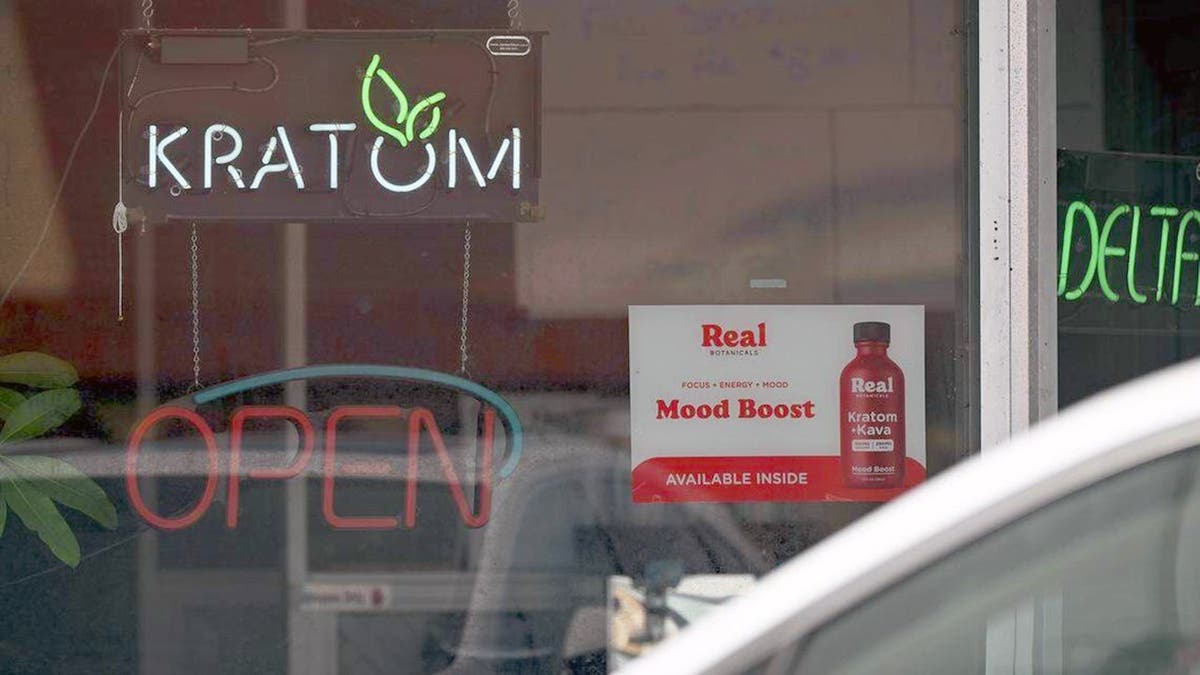
Recent tragedies involving University of Mississippi students have ignited concerns regarding the health risks associated with kratom. These students died in separate locations, and investigations revealed that packaged kratom was found during these inquiries.
While authorities are yet to confirm if kratom played a role in their deaths, experts have voiced caution over its potential dangers. Kratom is a plant-based substance often marketed as a natural remedy for pain relief or easing opioid withdrawal. However, it can cause dependency, interactions, and other serious health complications.
“Kratom acts as a stimulant at low doses, which could provoke heart arrhythmia,” said Dr. Marc Siegel, Fox News senior medical analyst. “At high doses, it acts more like an opioid, suppressing breathing.”
The availability of kratom is widespread, according to Jessica Steinman, chief clinical officer at No Matter What Recovery in Los Angeles. It is found in storefronts, gas stations, smoke shops, and health food locations, where it is often sold as an energy booster.
Retail kratom products usually contain lower active compounds, while newer 7-OH variants are concentrated for stronger effects. These products contain 7-hydroxymitragynine, linked to opioid-related effects.
Despite varying laws, regulators focus on concentrated 7-OH products and synthetic kratom compounds rather than traditional botanical forms. Steinman is concerned kratom usage among young people is rising due to social media influence and peer recommendations. She notes motivations range from needing stimulation for academic pressures to seeking opioid-like sedation.
Combining kratom with substances like alcohol or benzodiazepines enhances lethality. If symptoms of sedation appear, such as breathing difficulties or drowsiness, seek immediate medical help.
Steinman emphasizes kratom’s addictive potential. Withdrawal from regular use can lead to complications, including seizures. Despite natural origins, she warns against assuming kratom’s safety, highlighting its impact on the brain’s opioid receptors.
Dallas Vasquez, CEO and co-founder of Mitra9 Brands, distinguishes between traditional kratom and products with added 7-OH compounds, which regulators intensely scrutinize. Mitra9 manufactures beverages with botanical kratom extract and advocates for responsible use, labeling adult products with precautionary statements.
Vasquez supports stronger testing, labeling, and potency limits. He advocates informed consumer choice and endorses removing harmful actors from the market.
Leave a Reply