An experimental vaccine for skin cancer has shown significant results in reducing the risk of melanoma returning or spreading, in a clinical trial conducted by Merck and Moderna. This marks the first successful Phase 3 trial of an mRNA-based personalized cancer therapy.
Trial Details and Results
The study, named INTerpath-001, involved 1,137 patients worldwide who had undergone surgery to remove high-risk melanoma, categorized as Stage IIB through Stage IV. Patients were randomly assigned to receive either Keytruda plus the personalized vaccine or Keytruda plus a placebo.
Patients treated with the combination vaccine experienced better “recurrence-free survival,” meaning their cancer was less likely to recur compared to those given Keytruda alone. Additionally, the combination improved “distant metastasis-free survival,” indicating patients were less likely to experience cancer spreading to distant parts of the body.
These phase 3 findings represent a pivotal moment for the field of cancer research.
Stéphane Bancel, CEO of Moderna, highlighted the significance of this development in cancer treatment research.
How the Personalized Vaccine Works
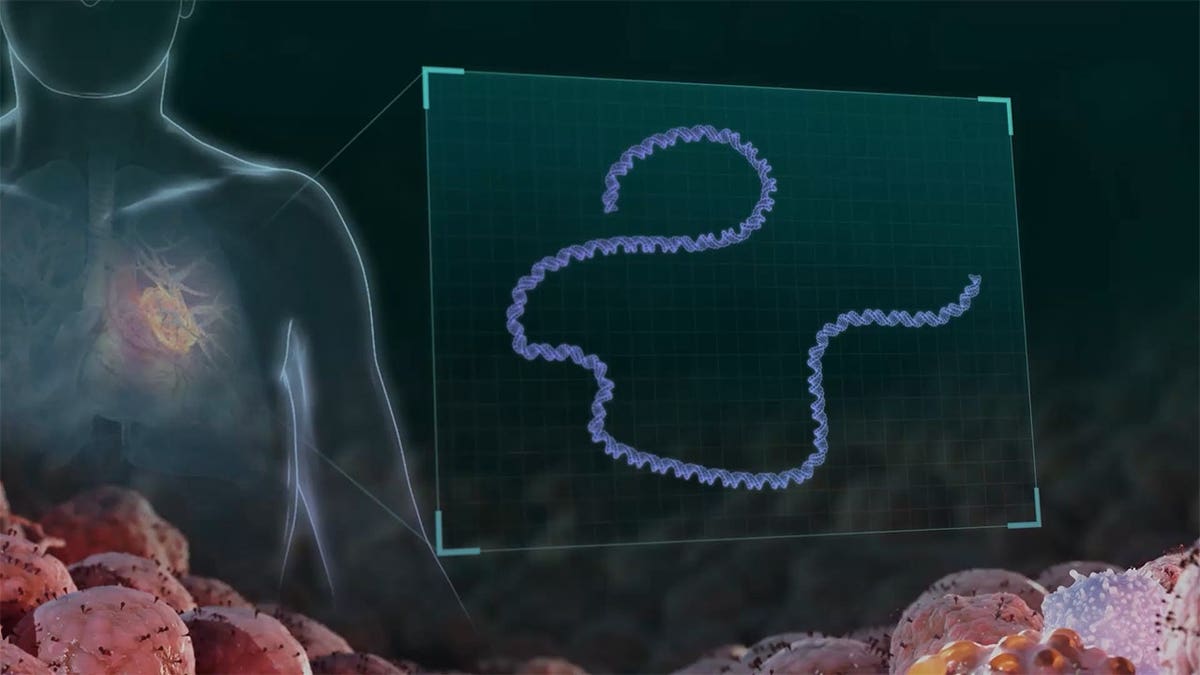
Unlike traditional vaccines, this custom-tailored mRNA vaccine is administered after surgery to train the body to target remaining cancer cells. After surgical removal of the tumor, doctors analyze both cancerous and healthy tissues. Advanced algorithms then choose up to 34 tumor-specific neoantigens to include in the personalized treatment.
Dr. Murad Alam from Northwestern Medicine explained that melanomas differ in each patient, making traditional treatments less effective. The individualized approach directs the immune system to specific tumor targets, avoiding damage to healthy cells.
The vaccine aims to extend the lives of patients with advanced melanoma, not to prevent melanoma in those without the disease or with only a small affected area.
Role of Artificial Intelligence
Artificial intelligence plays a crucial role in determining the antigens included in the vaccine, enhancing the vaccine’s efficacy. Dr. Alam noted that AI makes the process feasible for individual patients, and its role is expected to grow in the future.
Next Steps and Further Research
Following the positive Phase 3 results, Merck and Moderna plan to engage with regulatory authorities, including the U.S. Food and Drug Administration, to discuss regulatory filings. The companies also plan to explore the vaccine’s potential against other challenging cancers, such as lung, bladder, and kidney cancers.
Dr. Alam mentioned that the approach of targeting specific tumor markers could be generalized to various cancers. Although the findings are significant, the study did not reveal how long patients remained cancer-free, nor if the treatment extends patient survival overall.
Side effects of the treatment were similar to earlier studies, with no new safety concerns. The targeted nature of the vaccine results in mild side effects like fatigue, chills, or injection site discomfort.
Leave a Reply