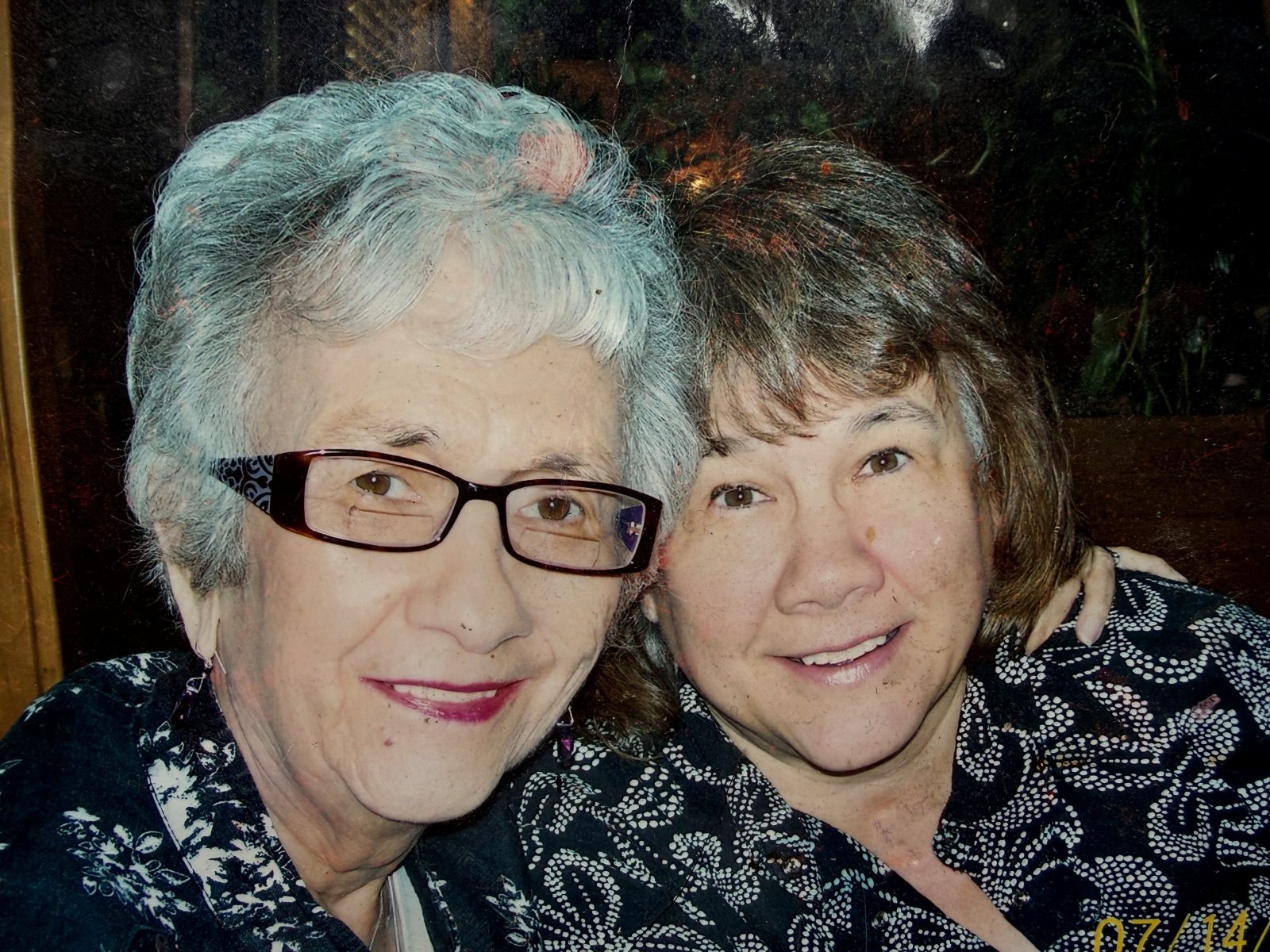
A mother’s role extends beyond nurturing to being a confidante and a lifelong friend. She was the first person I turned to for sharing triumphs or setbacks. My mom always supported me, and as she aged, I aimed to support her too.
My parents had shared their wishes about medical interventions should they become incapacitated. However, I soon realized that life unfolds with complexities that require more than just plans. On a night marked by a personal milestone, my son’s first high school dance, an unexpected call came. I anticipated a discussion about the evening, but instead learned my mom was heading to the emergency room.
The following days altered my reality. My mom underwent an arduous surgery. According to her cardiothoracic surgeon, it was among the most extreme a person can endure. Her aorta had burst like an inflated balloon, requiring a seven-hour surgical marathon to repair. Though she survived, the toll was severe. She experienced further complications during the procedure, culminating in a heart attack and stroke.
In the cardiac intensive care unit, machinery sustained her vital functions. The wait for her to regain consciousness was long and agonizing. Her minimal movements kindled hope, only to be met by silence once again. Emotions fluctuated between hope and despair, echoing in the rhythmic beep of machines.
Her body needed time, the doctors said. Patience, they urged. Yet as her condition progressed, the reality grew harsh. Her lifeline faded with signs that indicated a grim prognosis. After discussing with my dad, we made the painful decision to withdraw life support, bringing her peace.
Though a decade has passed, those moments in the ICU replay in my mind. Time has provided clarity, offering a perspective on the situation clouded by emotion. I grapple with whether I delayed the inevitable, questioning why I didn’t make those hard decisions earlier.
“You can only do your best in a horrible situation,”I told my son.
My son’s relationship with me mirrors the bond I shared with my mom. As an only child, he’s close to me, and I want him to avoid the guilt I shouldered. Conversations about mortality became more specific, ensuring he felt informed and empowered to make decisions based on love, not regret.
I assured him of my trust. We discussed the limitations of foresight and the evolution of medicine. Above all, I emphasized the importance of acting on love. His decisions will hold value, and no regrets should shadow them.
This discussion imparted a sense of relief. I had expressed what might be left unspoken, providing reassurance and clarity for the future. It was a gift, an absolution neither my mom nor I could share in those critical moments.
Tara McClellan McAndrew is a writer based in the Midwest. These reflections are her own.
Leave a Reply