The FBI has constructed a realistic American town inside a secure facility in Alabama. This project helps agents train for potential cyberattacks that can cause real-world damage. With increasing ransomware incidents disrupting hospitals, fuel supplies, and public services, the FBI aims to equip its agents for digital and physical challenges during emergencies.
Purpose of the Kinetic Cyber Range
Known as the Kinetic Cyber Range, the facility spans 22,000 square feet on the FBI’s Huntsville, Alabama campus. It replicates a small American community, complete with furnished homes, a hotel, gas station, grocery store, courthouse, hospital, and power company. Each building connects to functional networks and technology systems, simulating real-world conditions.
The facility also includes a data center with over 200 servers running Windows and Linux, designed to mimic corporate IT environments.
Training for Cyberattacks with Real Consequences
The FBI’s goal is to transition from classroom-based training to immersive, high-pressure experiences. In the past, cyber investigators practiced on simulated data at workstations. However, as cyberattacks become more disruptive, the need for practical training increases.
The Kinetic Cyber Range provides a firsthand experience for trainees, including:
- Responding to ransomware attacks
- Handling breaches in corporate networks
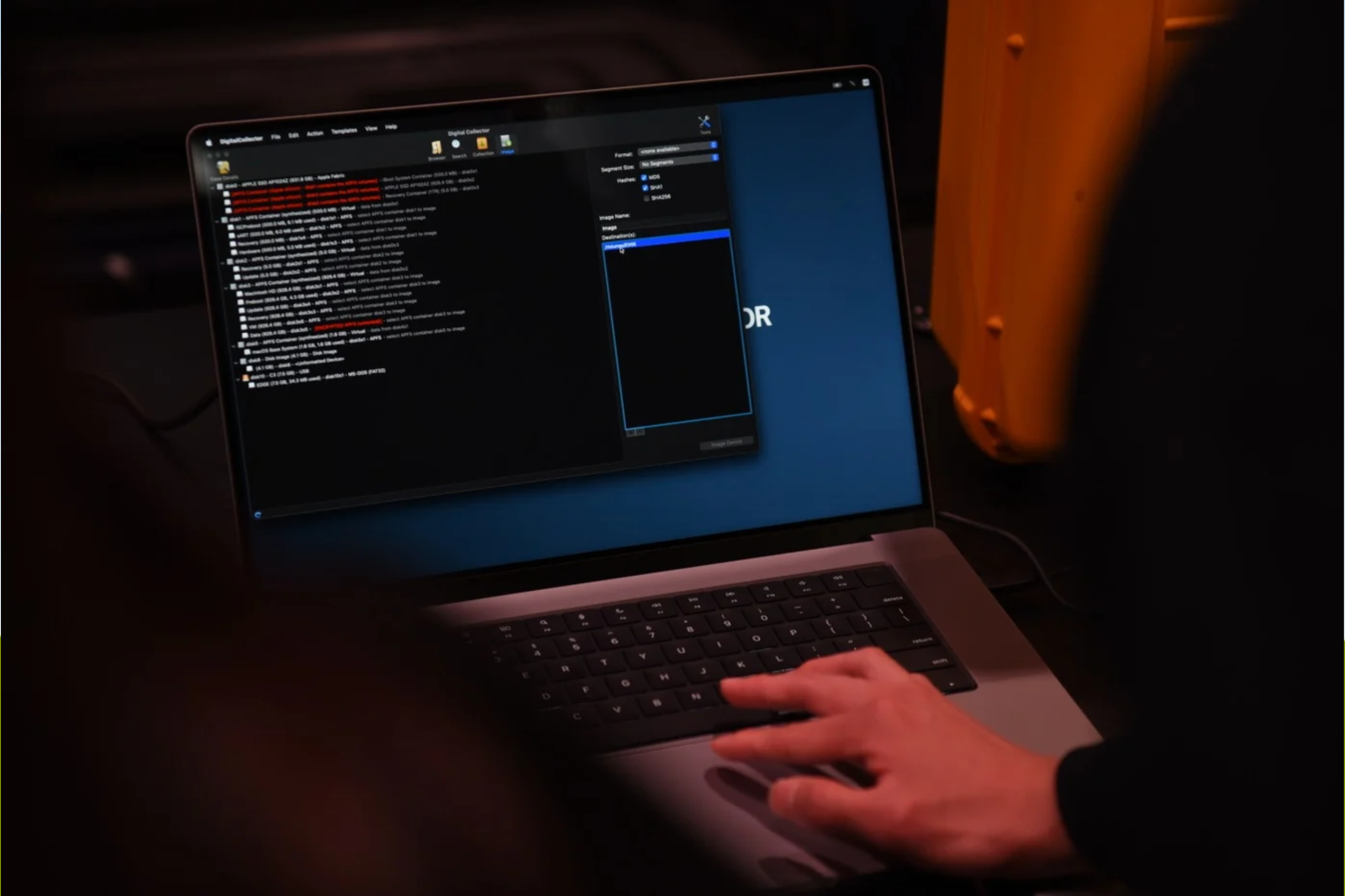
- Gathering and analyzing digital evidence in real-world settings
- Making quick decisions during investigations
One exercise involves a ransomware attack that disables hospital systems, challenging investigators to balance technical solutions with patient care implications.
This is about as real as it’s going to get before people go out in the field,said Dave Beachboard, the program manager for the range.
Rising Cyber Threats Drive the Initiative
The facility reflects the growing cyber threat landscape. FBI data shows U.S. cybercrime losses surpassed $20 billion in 2025, marking a 26 percent increase from the previous year. Ransomware is the most reported threat to critical infrastructure organizations.
The increasing frequency and severity of attacks emphasize the need for immersive training environments.
Inside the Training Sessions
The training closely simulates real investigations. Agents engage in activities such as:
- Entering mock homes to identify devices to seize
- Serving search warrants and analyzing live networks
- Extracting data from vehicles or servers
- Working in uncomfortable, noisy data center environments
Beachboard noted that some settings are deliberately designed to resemble challenging conditions, such as the noisy and cramped data centers.
Support and Privacy Concerns
Since February 2025, the facility has trained over 1,400 students, including FBI and law enforcement personnel. This town represents a necessary shift in cyber training, highlighting the real-world impact of digital threats requiring physical, scenario-based preparation.
However, some critics highlight concerns about using tools to extract data from locked or encrypted devices, such as smartphones. These tools rely on undisclosed vulnerabilities, which could be exploited by malicious actors if discovered.
The Bigger Picture
The FBI’s mock town illustrates a wider approach to handling cyber threats. Governments now acknowledge these threats as capable of disrupting essential services rather than mere digital incidents. By developing a fully functional community in a controlled environment, the FBI aims to ready investigators for attacks that extend beyond stolen data and affect everyday life.
Leave a Reply