Judge’s Decision on SNAP Funding Conditions
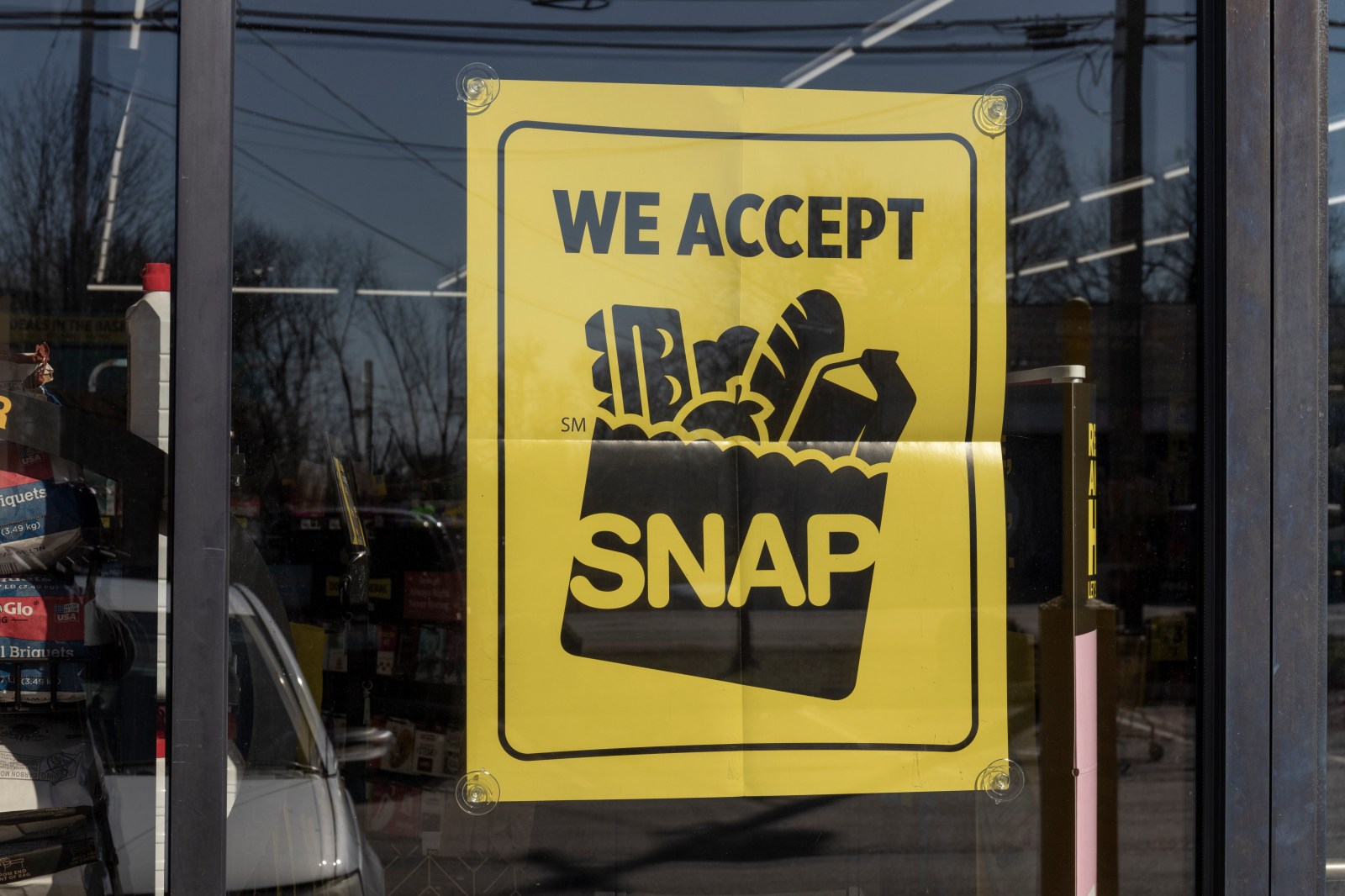
A federal judge halted the Trump administration’s effort to enforce new conditions on billions in SNAP funding. This decision aligns with 19 Democratic-led states and Washington, D.C. who argued the changes threatened key programs aiding low-income families. U.S. District Judge Myong Joun issued a preliminary injunction against the USDA’s conditions.
The judge will later detail his reasoning. SNAP benefits help low-income families purchase groceries. Approximately 38 million Americans benefit from SNAP, a number sharply reduced since Trump’s second term began in January 2025.
Newsweek reached out to the USDA for comment outside regular working hours.
The States’ Legal Challenge
In March 2026, Democratic-led states filed a lawsuit claiming the USDA imposed unlawful funding requirements approved by Congress. These states collectively receive over $74 billion annually from the USDA, voicing concerns that the demands could endanger crucial programs.
A directive at the end of last year required states to certify compliance with federal policies to continue funding. The plaintiffs challenged the USDA’s “2026 Conditions,” effective at the end of 2025, impacting all USDA programs. Attorneys argued the conditions were vague and unrelated to agriculture or nutrition.
Restrictions related to “gender ideology,” “immigration,” and “fair athletic opportunities” for women were among those contested. The states asserted these barriers endangered essential nutrition support and safety of the national food chain.
The lawsuit also claimed the USDA lacked authority to impose these conditions, alleging violations of the Constitution’s Spending Clause, and noted implementation without legal procedures. These changes could impact programs like SNAP, school lunches, and WIC.
Plaintiff states include Massachusetts, California, Illinois, Wisconsin, Colorado, Connecticut, Delaware, D.C., Hawaii, Maine, Maryland, Michigan, Minnesota, New Jersey, New Mexico, New York, Oregon, Rhode Island, Vermont, Virginia, and Washington.
Trump Administration’s Defense
Government attorneys argued against the injunction, emphasizing the requirements were designed to enhance oversight of federal funds. They highlighted intentions to promote sound management of taxpayer dollars and ensure grant recipients adhere to laws and policies.
The administration contends that states should comply with federal anti-discrimination laws as a condition for federal funding, suggesting other policies should follow suit.
Reaction from State Officials
Massachusetts Attorney General Andrea Joy Campbell expressed approval of the court ruling, stating on Bluesky that the decision halted Trump’s funding cuts as the lawsuit progresses. She committed to defending food assistance for families.
New York Attorney General Letitia James expressed on X that her office will continue fighting for New Yorkers’ rights and oppose federal penalties against the state for noncompliance.
Leave a Reply