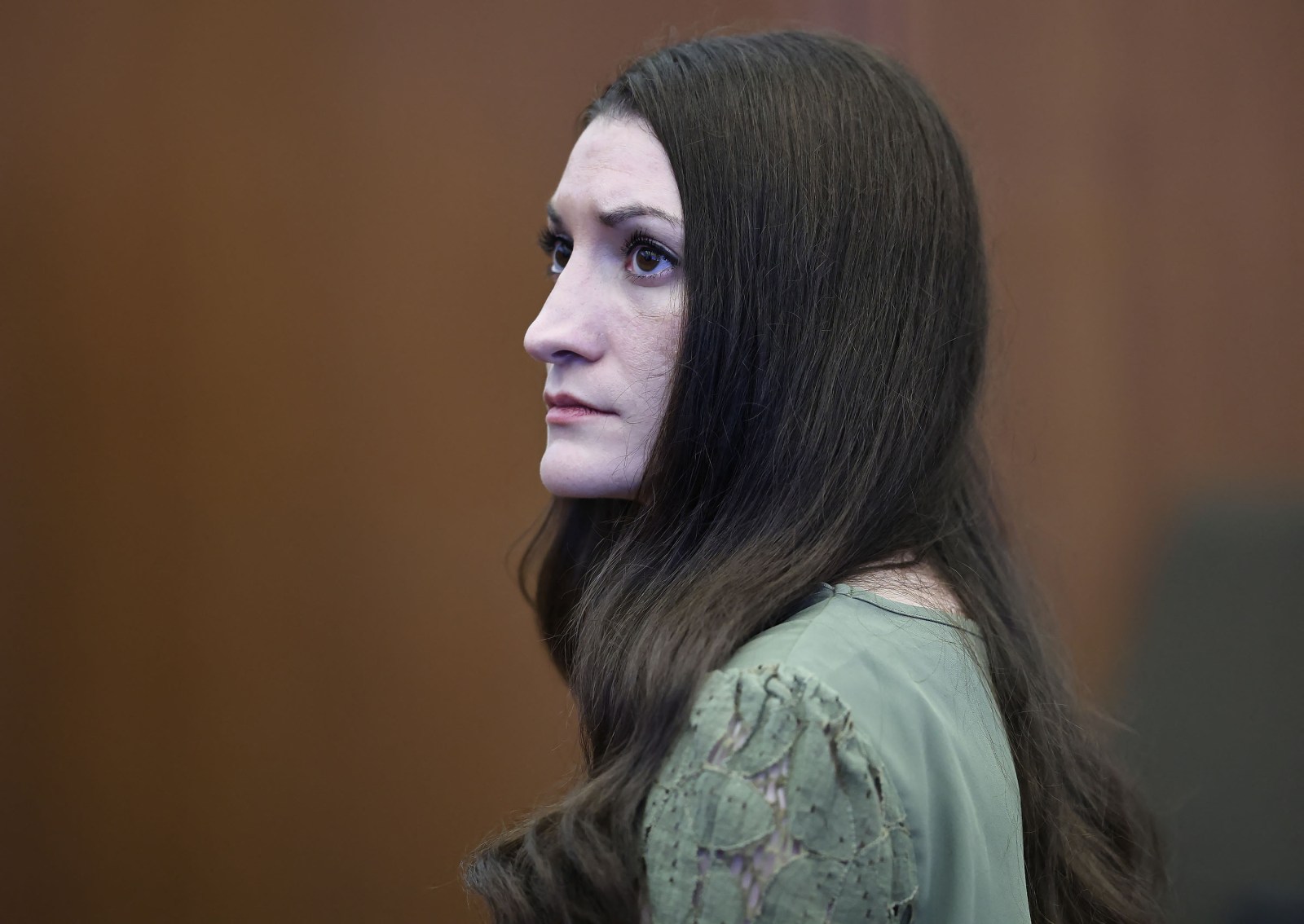
In a legislative move motivated by the outcome of the high-profile murder trial of Lindsay Clancy, Congressman Clay Fuller plans to propose a bill to limit the use of the insanity defense in federal criminal cases. Fuller, a Republican from Georgia, argued that mental illness should not excuse defendants from accountability. He announced his intention on Facebook, referring to the recent Clancy trial as a significant event that underscores the need for such legislation.
The Clancy trial, a closely-watched Massachusetts case, ended in a mistrial after five weeks of testimony from numerous witnesses. The jury, despite extensive deliberation over seven days, could not reach a unanimous decision. This triggered discussions about the application and effectiveness of the insanity defense in court cases.
Lindsay Clancy, charged with three counts of first-degree murder for the deaths of her children in January 2023, had pleaded not guilty. Her defense cited severe postpartum psychosis as the cause of the tragedy. Congressman Fuller criticized this defense, stating, “It is crazy to me that ‘don’t kill your kids’ is now a partisan issue.” He emphasized the need for federal legislation to ensure the insanity defense does not serve as an easy escape from legal accountability.
Details about the proposed legislation remain undisclosed, with Fuller yet to specify its introduction timeline. Newsweek contacted Fuller’s office for further comment but has not yet received a response.
State Variations in Insanity Defense
Currently, four states—Idaho, Kansas, Montana, and Utah—reject the traditional form of the insanity defense, according to FindLaw.com. Emory University law professor Kay Levine indicated that many scholars view the insanity defense as a due process right. Levine commented that Fuller’s announcement seemed like grandstanding, given the complexity and difficulty of proving insanity as a defense in court.
Comparing Massachusetts and Federal Standards
Massachusetts law uses the term “lack of criminal responsibility” as a basis for the insanity defense. Defendants must demonstrate that a mental disease or defect impaired their ability to appreciate the wrongfulness of their actions or conform to the law. The prosecution must establish beyond a reasonable doubt that the defendant was criminally responsible.
In contrast, the federal standard requires clear and convincing evidence that a severe mental defect left the defendant unable to comprehend the nature or wrongfulness of their actions. Since Clancy was tried under Massachusetts law, Fuller’s proposed federal changes would not have impacted her case.
The Future of the Clancy Case
During the trial, notes suggested the jury was split 11-1 in favor of acquittal, leading to the mistrial declaration. Clancy faced a potential life sentence if convicted. However, a not guilty verdict due to insanity could have resulted in court-ordered psychiatric treatment.
With the mistrial, prosecutors must decide whether to retry Clancy, dismiss charges, or negotiate a settlement. A hearing is set for September 29, where Clancy’s attorney, Kevin Reddington, plans to request the case’s dismissal based on double-jeopardy grounds.
Leave a Reply