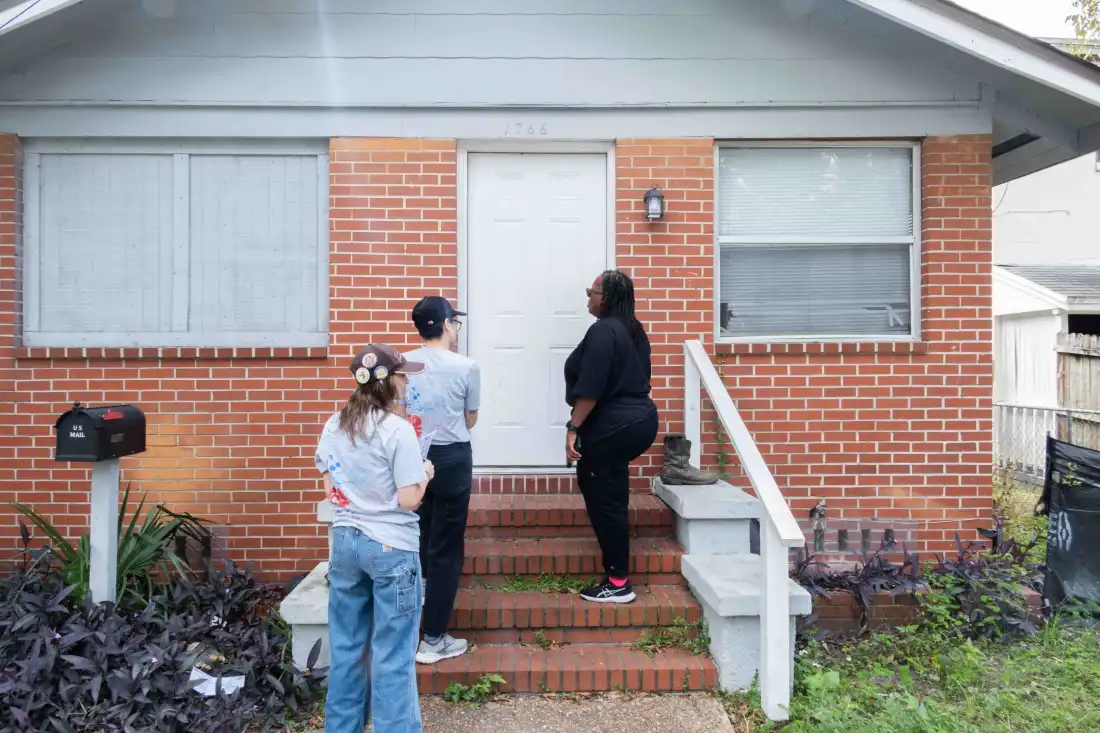
In Jacksonville, Florida, a pivotal moment unfolds as residents are encouraged to vote on Amendment 3, a proposal affecting property taxes. Volunteers with Florida Rising, a progressive nonprofit, are advocating against this amendment, which seeks to increase the exempted amount from homestead taxes up to $250,000 over the next two years.
Rachel Dues, a 54-year-old notary and closing agent, feels this election is critical. Rising costs in gas, rent, and groceries strain her budget. Amendment 3’s proponents suggest it could relieve financial pressures by saving homeowners thousands annually. However, critics warn that it risks substantial cuts to public services if local governments lose billions in revenue.
“One of the things our members are always knocking on doors and asking is: affordability? For who?” – Steven Johnson, Florida Rising
The Financial Impact
Supporters argue that property taxes have grown excessively. Florida Governor Ron DeSantis and the Florida Realtors trade association highlight that property tax revenue nearly doubled from $32 billion in 2019 to almost $60 billion recently. They push for easing the financial burden on homeowners.
Despite these arguments, opponents emphasize that cutting property taxes extensively would reduce funding for vital services. Areas such as libraries, public transportation, and emergency services might face serious implications. Mike Weinstein, Jacksonville’s chief administrative officer, expresses concern about the amendment’s effects on local government budgets.
“This is about making sure that Floridians who want to stay in their homes and are seeing this rising cost get to stay in their homes.” – Margy Grant, CEO of Florida Realtors
A Personal Perspective
Rachel Dues, leveraging her role as a volunteer, focuses her outreach efforts on conveying how the amendment’s potential consequences outweigh its benefits. Through phone calls and direct conversations, she discusses the possible erosion of local services, stressing the importance of voting ‘no’.
Maggie Fernandez, another volunteer, reinforces this initiative. Although she could benefit from the amendment, she prioritizes the broader impact on community services over personal gain. Such efforts have resulted in hundreds of calls and community interactions to raise awareness.
Looking Ahead
As the decision looms, the necessity of voter turnout becomes evident. With a required 60% supermajority for passing, every vote on Amendment 3 holds significance. Local voices like Dues and Fernandez play crucial roles in shaping the outcome as they communicate with fellow citizens.
The debate over Florida’s Amendment 3 highlights a broader national conversation about property taxes and their role in public funding. The results could influence policy directions in other states as well. As residents head to the polls, the balance between immediate financial relief and sustaining public services remains at the forefront of discussion.
Leave a Reply