On Saturday, a fire deliberately set engulfed Limoges’ bell tower at the 19th-century city hall, marking another instance of unrest sweeping through France. In Marseille, intruders breached the city hall, while in Bordeaux, rioters attacked the prefect’s residence. Across Paris, looters were spotted in shops, often in front of distressed owners.
By Monday, authorities had detained around 2,400 individuals, and nearly 1,000 police officers were injured. France’s Interior Minister attempted to resign, acknowledging the loss of control in major cities, yet President Emmanuel Macron declined his resignation.
Curfews were implemented in Paris, Lyon, Lille, and Nice, with officials claiming the situation was calm. However, ongoing agitation was evident as organizers called for more actions and a national strike scheduled for November 5.
A Pattern of Crisis-Driven Change
French protests are often misconstrued as isolated riots when they reflect a deeper tradition: resisting reform until crises necessitate change. A history of revolution, financial instability, and invasions illustrates this recurring pattern, dating back over 240 years.
This cycle predates the French Republic, formed amidst revolutionary turmoil echoing recent events. For instance, Louis XVI’s monarchy funded America’s independence, leading to unsustainable debt due to an unreformed tax system.
By 1786, significant portions of royal funds serviced debts, prompting failed reform attempts and bankruptcy. This series of events culminated in the Estates-General assembly, setting the stage for the 1789 revolution.
The subsequent period was marked by destruction: The Terror executed thousands, and Napoleon’s Russian campaign resulted in significant casualties. By Waterloo, France had cycled through monarchies, empires, and numerous republics.
Military and Economic Setbacks
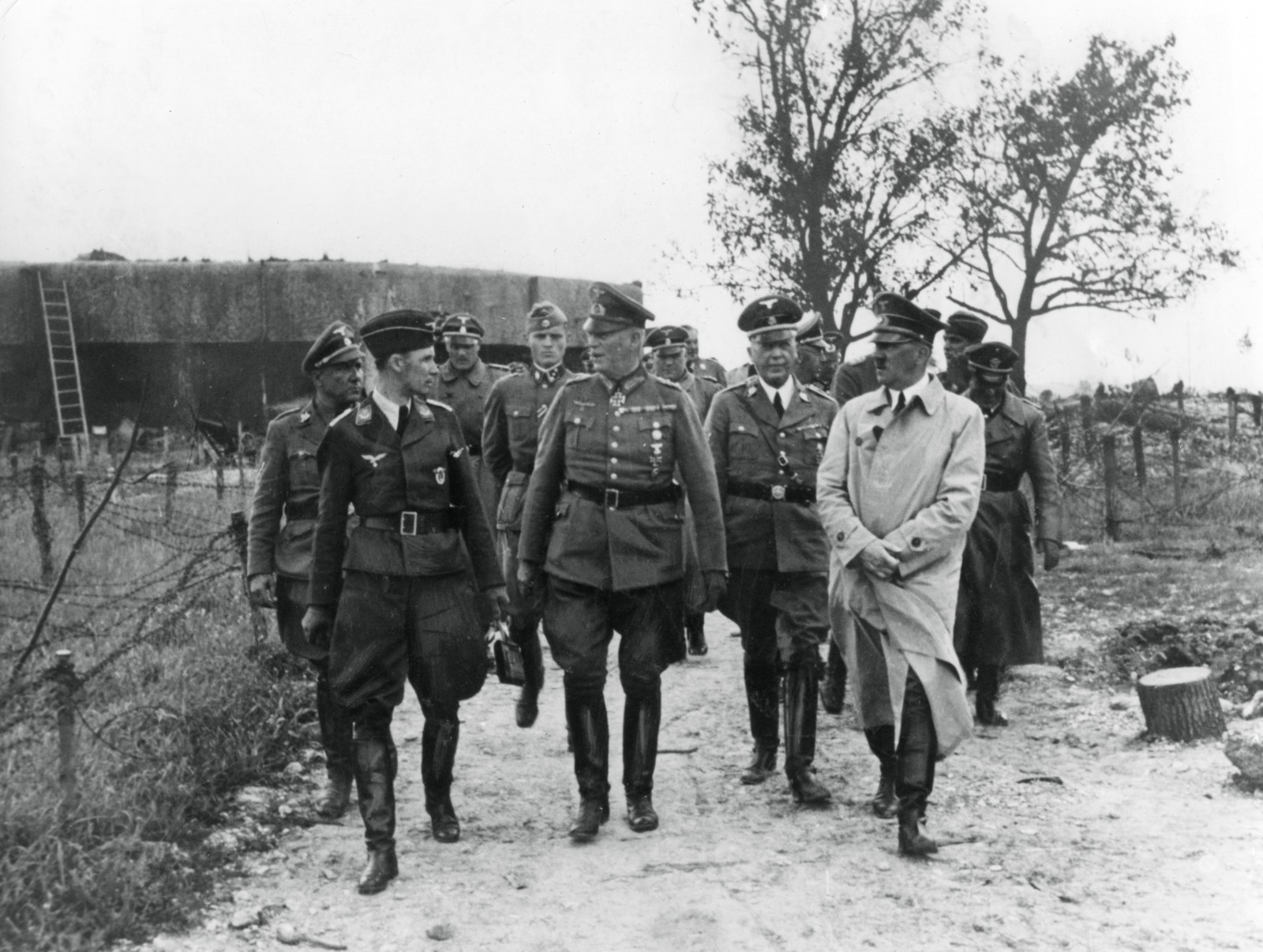
In 1914, French generals underestimated German forces, resulting in a disastrous assault. Despite investing heavily in defenses like the Maginot Line, which Nazis outmaneuvered, France fell swiftly in WWII.
Today’s issues are largely economic. With state spending exceeding 57% of national output and a public debt at 119% of GDP, fiscal challenges persist. Even modest pension reforms faced opposition, underlining the complexity of reform in France.
Current Political Landscape
Marine Le Pen, the far-right leader, plans to lower the retirement age, challenging fiscal sustainability. As election prospects rise, economic policies gain scrutiny, increasing spreads between French and German government debts.
Across the Atlantic, remarks by President Donald Trump highlight immigration as another factor in France’s turmoil. Although immigrants aren’t directly blamed for the unrest, their integration is a central issue, complicating the nation’s dynamics.
Challenges of Integration and Education
Many looters were identified as young individuals from impoverished suburbs, highlighting disparity. Despite integration efforts, many descendants of immigrants face poverty and discrimination, with substantial educational barriers.
Hiring biases and religious tensions persist, yet the children of immigrants increasingly identify as French, indicating partial success in assimilation. However, economic hardship exacerbates these inequalities.
Reforming the Education System
Protests began with students frustrated by inadequate staffing at schools, primarily in immigrant-heavy regions. Although additional permits were issued, teaching resources remain limited, reflecting broader integration challenges.
Policy measures banning religious attire have sparked debate, underscoring secularism’s role in France’s integration efforts. Yet, addressing practical education needs lags behind such symbolic policies.
A Call for Change
While recent marches were largely peaceful, demanding governmental reform, historical patterns cast doubt on France’s ability to change without turmoil. As the political center diminishes, extremes gain traction, limiting substantive reform measures.
The nation excels at protest, but its leaders struggle to implement proactive solutions to prevent recurring fires—literal or metaphorical—in its structures and institutions.
Leave a Reply