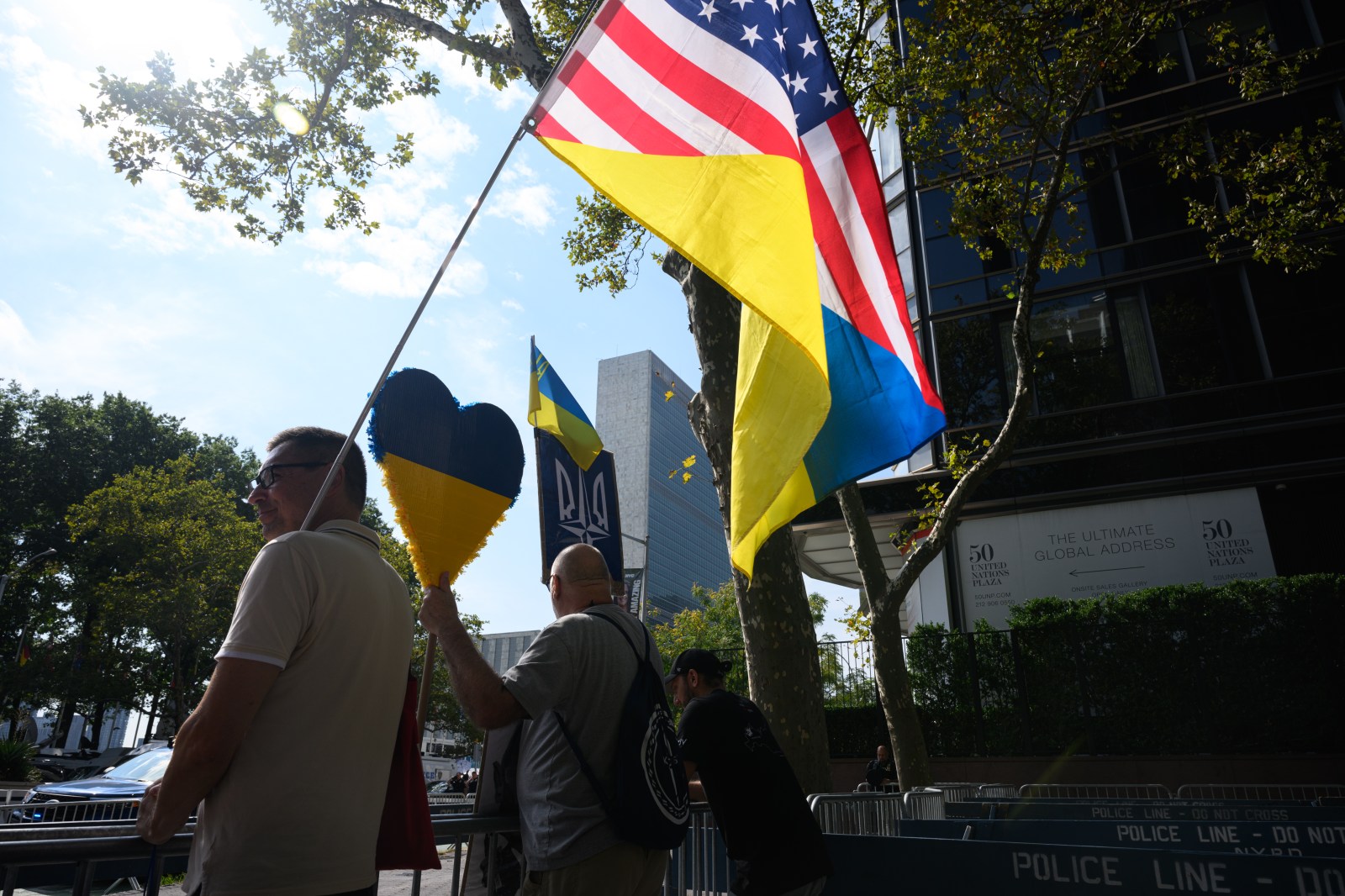
Immigrants from Ukraine and Sudan in the United States will maintain their Temporary Protected Status (TPS) for at least another six months. This decision comes as the Trump administration left the statuses unresolved, extending them by default. This move occurs weeks before the midterm elections and amid bipartisan concerns regarding the fate of Ukrainians who fled Russia’s 2022 invasion. Senators Lisa Murkowski of Alaska and Susan Collins of Maine have expressed these concerns.
Recent Decisions and Political Context
The Trump administration has aimed to end TPS for various nations as their designations expired over the past 21 months. This policy shift has impacted hundreds of thousands who have lost work permits and deportation protections, despite ongoing instability in countries like Venezuela, Haiti, and Afghanistan.
Ukraine and Sudan’s TPS were set to expire, with no official announcement from the Department of Homeland Security (DHS). Hence, by default, both designations received a six-month extension. DHS has stated decisions for these countries will happen “at the appropriate time,” and TPS holders can stay protected in the interim.
Advocates worry about the uncertainty, as highlighted by Dara Lind from the American Immigration Council. Lind argues that following legal procedures and granting extensions could alleviate uncertainty for immigrants and employers. The call for a legislative solution to allow TPS holders to apply for permanent status persists.
Immigration Policy and Midterms
As immigration remains a crucial issue leading to midterms, a Pew survey indicated 52% of Americans believe the Trump administration was overly aggressive in deportations. However, 31% felt the approach was appropriate. A Gallup poll shows 73% view immigration positively, though this is a decline from the previous year.
Political dynamics indicate a shift, as an ABC News/Washington Post/Ipsos survey found Democrats now lead Republicans in voter trust on immigration-related issues. The topic is also critical following protests in the U.S. against immigration enforcement, triggered by the fatal shootings during protests in Minneapolis.
Conditions in Home Countries
When ending TPS for other nations, DHS cited improved conditions from war or instability. However, challenges remain in countries like Haiti, Venezuela, and Afghanistan. In some cases, policy changes led to Supreme Court cases, which supported the administration’s decisions.
Ukraine remains in conflict with Russia. The U.S. actively participates in negotiations to end the war, with millions displaced. Approximately 101,000 Ukrainians have sought refuge in the U.S. under TPS.
Sudan faces a humanitarian crisis amidst a civil war starting in April 2023, leading to millions displaced and infrastructure damage. The UN labels this a severe humanitarian crisis, impacting around 1,700 Sudanese in the U.S. with TPS.
“Families who depend on this status to stay safe and keep working deserve a formal decision in writing, not a weekend statement to press,” said Krish O’Mara Vignarajah, president and CEO of Global Refuge. “Keeping protections in place is the right call, but a promise to a reporter is not a policy.”
Future Implications
Both countries retain TPS for another six months, and DHS must decide 60 days before the default expiry in April. Pressing for a timely formal decision remains crucial for those affected.
Leave a Reply