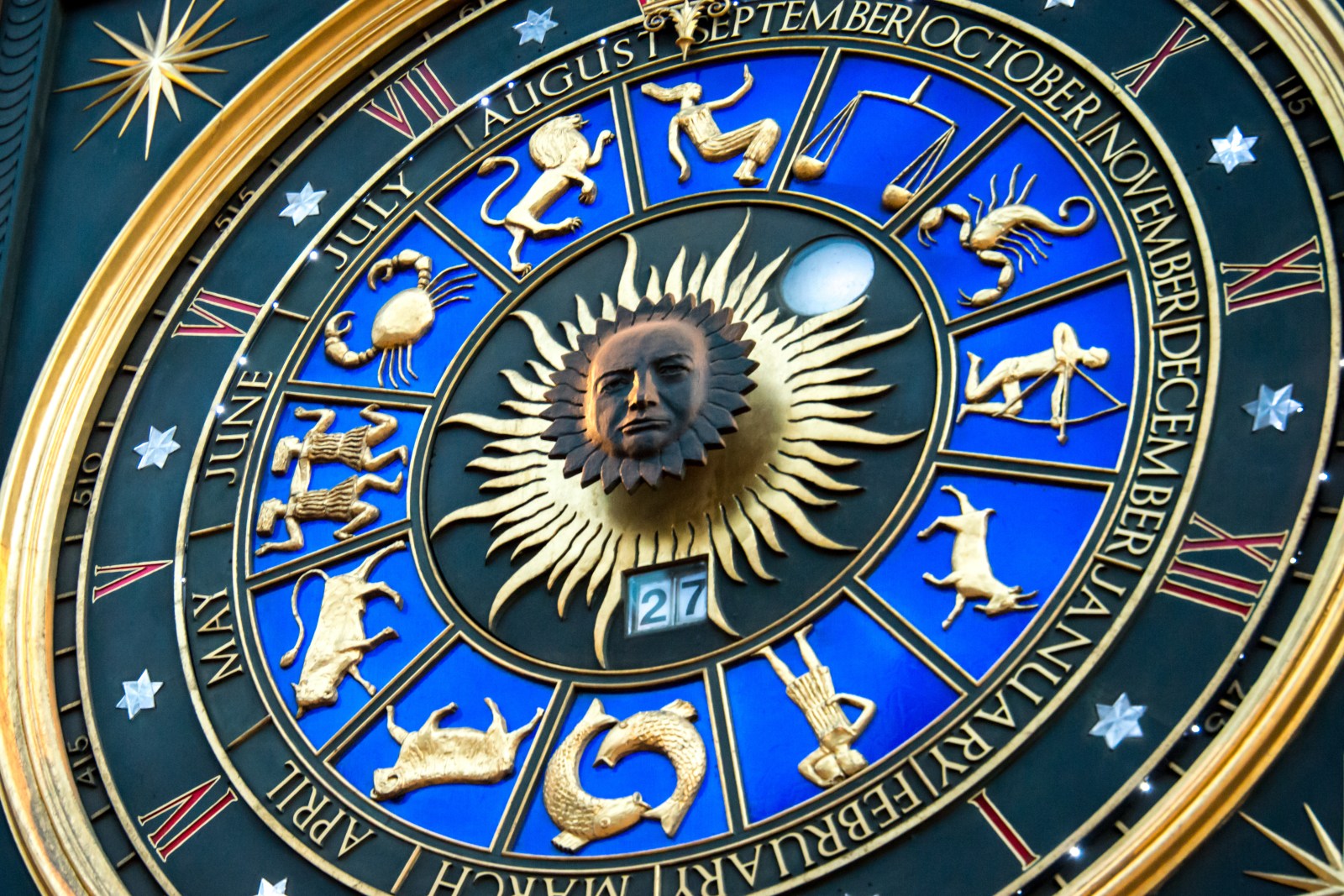
Young individuals are increasingly seeking alternatives to traditional dating advice to understand their romantic lives. Experts suggest that the uncertainty surrounding contemporary relationships may drive this behavior. A recent poll by DatingNews found that 64% of Gen Z respondents explored spiritual, psychic, or manifestation-based practices in their quest for love.
The survey, conducted online by Cherry Data Signals in August, involved 1,013 U.S. adults. It revealed practices such as consulting psychics, spells, crystals, tarot, and astrology charts. These practices attract those frustrated with modern dating, where apps offer numerous potential partners and information but little certainty about mutual feelings or relationship directions.
For some, spiritual rituals provide a way to manage this uncertainty. They offer a framework for reflection when analyzing profiles and messages fails to offer clear answers. Dr. Dakari Quimby, a clinical adviser at Marietta Springs in Georgia, explained that ‘symbolic systems’ could make dating feel more purposeful and emotionally coherent.
The paradox of choice might contribute to why the surge of romantic options with online or app dating does not always lead to greater satisfaction. Experiences of repeated rejection or disappointment can emotionally exhaust some individuals, according to Quimby.
Gen Z’s Turn Towards Spirituality
A previous report explored how some Gen Z daters place significant trust in astrology for love, questioning how younger people assess romantic compatibility. The Harris Poll’s Gen Z and Religion Report highlighted that 51% of Gen Z respondents regularly practiced meditation or ritual. Additionally, 49% practiced manifestation, and 30% used astrology or tarot. Meanwhile, 67% regularly prayed, and 49% attended religious services.
These findings, from a survey of 372 American Gen Z respondents released last month, suggest that this generation seems comfortable combining traditional religion with unconventional spiritual practices.
Why Dating May Be Driving the Appeal
Modern dating often involves continuous evaluation, from reviewing profiles to interpreting response times and distinguishing behavior as either a red or green flag.
Kirill Liakh, the managing director of the emotional insight app Hint, highlighted that people can scrutinize messages and compatibility yet still feel uncertain about connections. Astrology, for instance, provides a language for exploring these questions, even without treating the answers as literal facts.
Company polling from Hint in July found that 56% of singles tried to stop analyzing suitors through red and green flags due to mental exhaustion. Sixty-one percent said this approach prevented them from seeing others as whole individuals.
Liakh explained that practices like astrology and rituals offer an alternative by providing young people with a framework that avoids numerical ratings. They offer personalized ways to understand relationships.
What Astrology and Rituals Actually Provide
Cheryl Groskopf, a therapist specializing in anxiety and trauma, stated that modern dating’s uncertainty might lead people to seek answers when connections abruptly end. Speaking to someone daily, feeling progress, and then facing sudden disconnection can prompt the mind to seek explanations.
When these answers are elusive, activities like tarot readings or compatibility charts can seem appealing. They offer a sense of control amid uncontrollable emotions. Groskopf emphasized selecting a tarot card can temporarily reduce feelings of helplessness while waiting for uncertain communication.
She also noted that Gen Z has grown up amid dating apps, social media advice on attachment styles, and content about red and green flags. Astrology provides an alternative framework for understanding romantic relationships.
When Does It Become Unhealthy?
From a nervous system perspective, uncertainty can trigger our threat response, especially for those who experienced inconsistent affection or emotional unavailability. Rituals can create a small sense of predictability in such situations.
However, Groskopf cautioned that dependence on these practices in response to anxiety or uncertainty may raise concerns. Rituals should help people reflect, not serve as evidence that overrides behavior, consent, or safety.
Overall, experts agree that these practices aim to navigate experiences beyond one’s control, rather than offering magical solutions.
For further details or inquiries, contact editors Anthony Murray and Rebecca Flood.
Leave a Reply