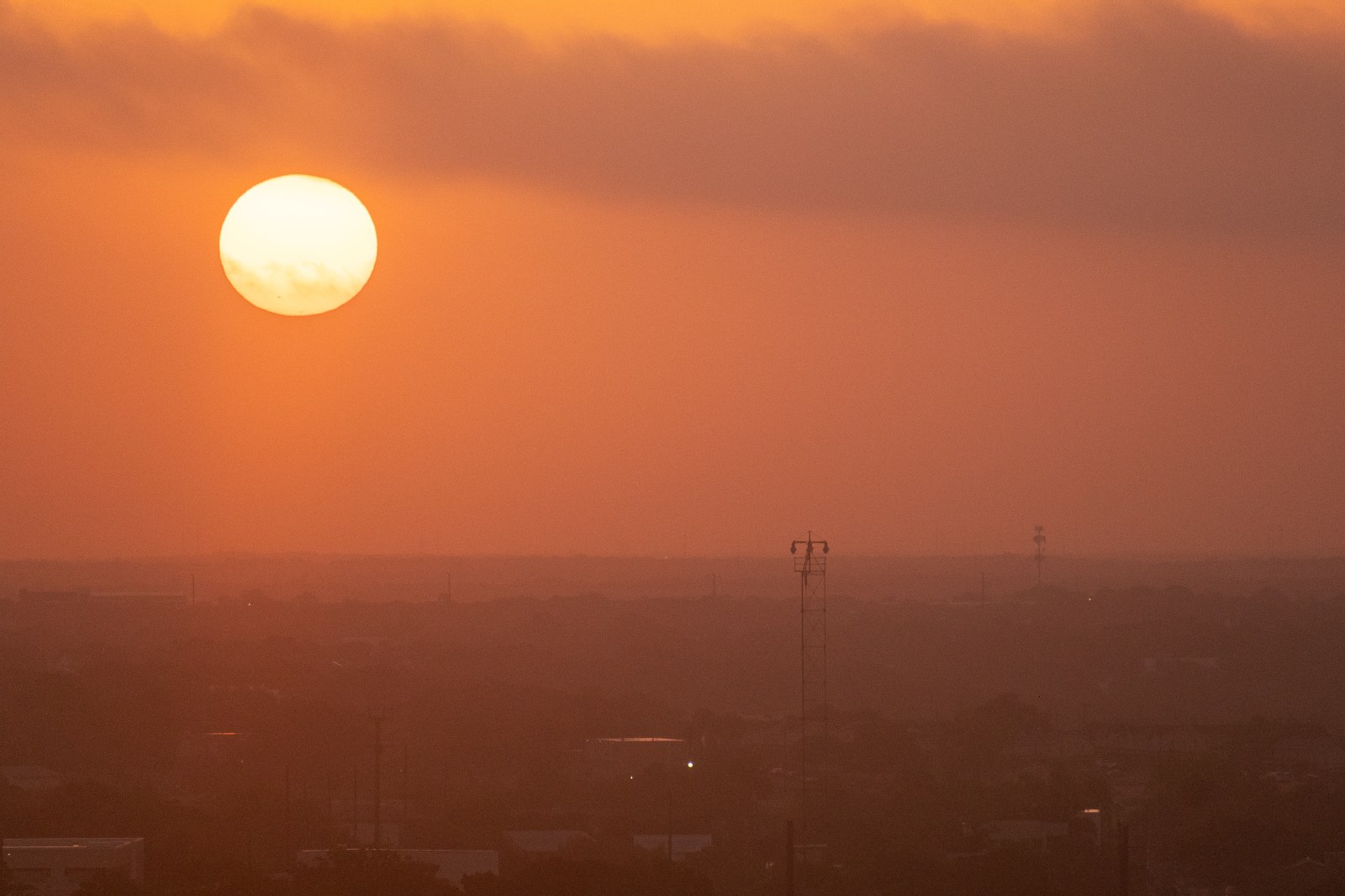
Eastern Montana is under a heat advisory as temperatures are set to reach triple digits early this week. This early and intense heat poses significant health risks, prompting warnings from the National Weather Service (NWS) in Glasgow. The advisory is active from noon to 9 p.m. MDT on Tuesday, affecting areas including Daniels, Dawson, Phillips, Valley, Garfield, McCone, and nearby counties, where temperatures could climb to 102 degrees.
Strong southeast winds, gusting up to 40 mph, are expected around Fort Peck Lake. A separate advisory is issued for lake winds in this area. Forecasters emphasize that the combination of extreme heat and winds may create dangerous conditions on both land and water, with potential wave heights reaching five feet on the lakes.
Residents are advised to remain hydrated, avoid extended sun exposure, and check on neighbors who might be vulnerable. This early-season heat is concerning because it impacts a region not yet accustomed to such high temperatures, significantly increasing the risk of heat-related health issues. A developing “super” El Nino might influence weather patterns this summer, affecting rain, temperatures, hurricanes, and more throughout the U.S.
Triple-digit temperatures are common by late spring in the southern U.S., but they are rare in northern areas like Montana in May. Typically, temperatures in eastern Montana average in the low 70s during this month, with the hot season generally starting in June. This sudden onset of high temperatures makes the population more susceptible, especially as fewer homes have air conditioning compared to southern regions.
The heat advisory cautions against leaving young children and pets in unattended vehicles, noting that car interiors can quickly become lethal. Residents should drink plenty of fluids, stay in air-conditioned spaces, and protect themselves from the sun. They should also monitor elderly relatives and neighbors.
Some cities in Montana might set new temperature records, such as Billings, which could surpass a 90-year record of 95 degrees. Apart from human health concerns, this heat surge also raises environmental issues, such as an increased wildfire threat and drought.
Montana Wildfire Risk as Temperatures Rise
The extreme heat, paired with low humidity and strong winds, increases wildfire risk in eastern Montana. Grasslands, already drying after spring, are particularly at risk. This combination can allow fires to ignite easily and spread rapidly due to wind. Officials warn that routine activities like towing or using machinery can spark fires in these conditions.
Early-season heat waves can speed up the drying of vegetation, setting the stage for an active wildfire season later in the year. Fire officials consider these early heat periods a key indicator of increasing fire danger.
Residents are urged to take precautions, including avoiding outdoor fires and being careful with activities that might cause sparks.
Upcoming Weather in Montana
Temperature peaks are forecast for Tuesday afternoon, with a slight cooling trend expected afterward. However, the overall pattern of above-average temperatures might continue for several weeks. The NWS Climate Prediction Center predicts above-average temperatures in all of Montana until at least June 7. Conversely, parts of the southern U.S. could experience below-average temperatures during the same timeframe.
Leave a Reply