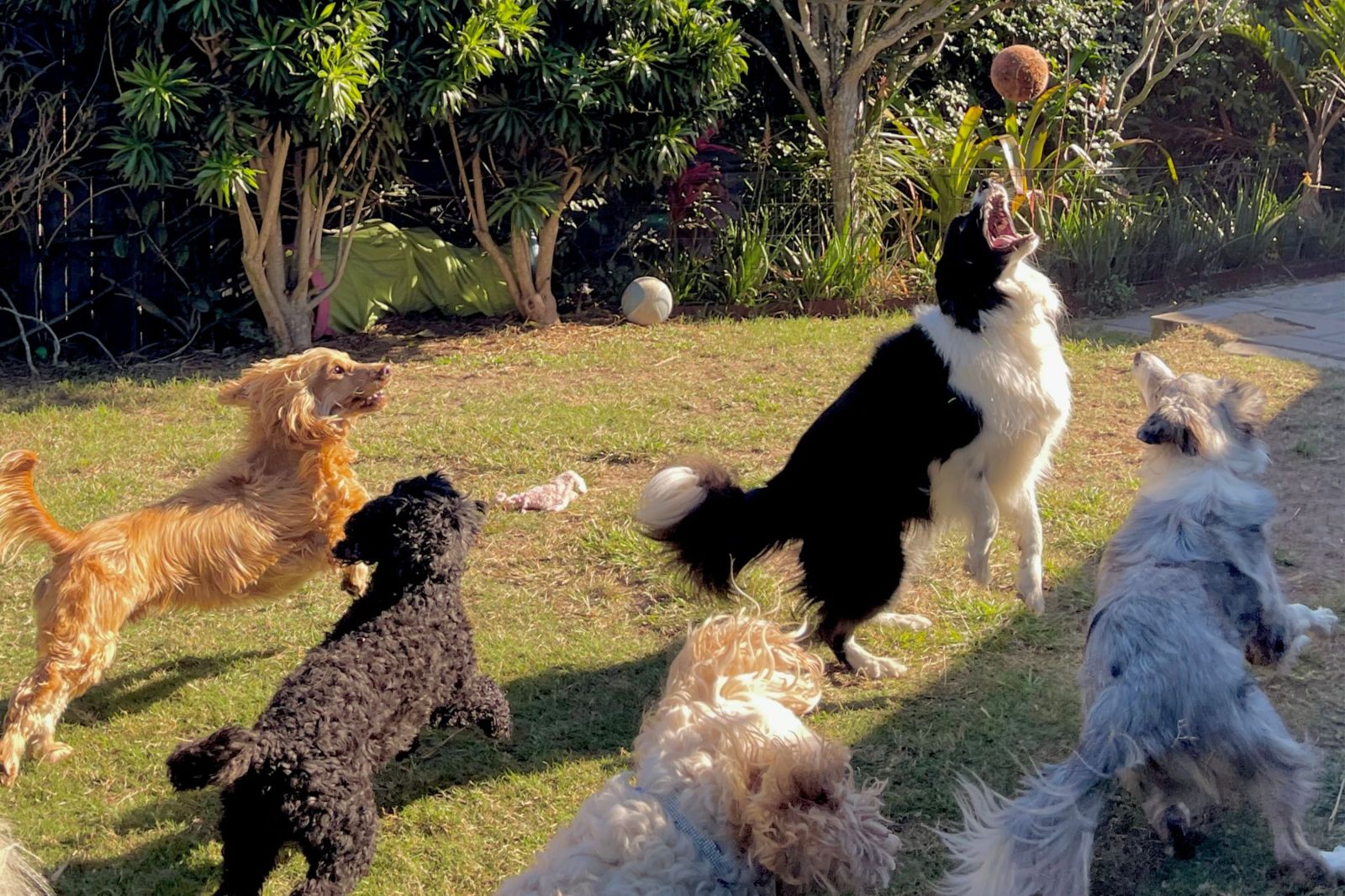
Leaving your dog at daycare can be like setting them up for a day of fun. Some dogs thrive in social settings, while others might find such experiences overwhelming. Their behavior can provide clues about their comfort levels.
Understanding Your Dog’s Personality
Much like humans, dogs vary in their personalities and their comfort with socializing. Employees at doggy daycares encounter a range of personalities. Some dogs rush in energetically to greet everyone. Others prefer keeping more to themselves.
Evaluating Your Dog’s Daycare Experience
How can you determine if your dog truly likes daycare or merely tolerates it? Lora Shaw, the Vice President of Operations at Pet Palace, shares insights. She suggests observing your dog’s behavior before, during, and after daycare for signs of enjoyment or stress.
1. Excitement Upon Arrival
Excitement often begins before your dog enters daycare. Many dogs recognize they are approaching daycare as soon as they enter the parking lot, becoming visibly excited.
Lora Shaw notes, “It’s fun to see them eager to get in the door, excited to be there and see the team.”
Watch their body language. A content dog might wag its tail, gently pull towards the entrance, or seek out familiar staff. Conversely, signs of discomfort include a tucked tail, staying close to you, or reluctance to enter.
“Reading that body language and recognizing it is important,” Shaw adds. “Some dogs simply prefer being with their people. It doesn’t mean they’re not a great dog.”
2. Engagement in Play
Once inside, dogs who enjoy daycare often quickly settle in. They engage with other dogs and the environment.
Shaw mentions that these dogs eagerly participate in group play and seek employee attention. Whether they’re chasing toys, playing with friends, or taking part in activities like swimming, this willingness indicates their comfort at daycare. Over time, some dogs form friendships with other daycare attendees.
“You certainly can see when a friendship has started,” Shaw says. “We see certain dogs playing with the same dog day after day—just what you would expect at school.”
These repeated interactions suggest safety and positive relationship building at daycare.
3. Relaxed Return Home
A successful daycare day typically ends with a dog who returns home relaxed and pleasantly tired.
Shaw states, “If they’re relaxed and calm at home, just like we are after a workday, and then the next morning they’re eager to go again, that’s a really good sign.”
Though tiredness alone isn’t proof of enjoyment, when combined with eagerness to return, it can be a positive indicator.
Assessing if Daycare is Suitable
While many dogs enjoy daycare environments, it’s not suitable for all. Paying attention to an entire behavioral picture is crucial.
A consistently stressed or withdrawn dog may indicate an unsuitable daycare environment.
“If they’re not participating or playing with other dogs and they’re staying around the exterior or going into corners, they may be extremely nervous,” Shaw explains.
In such cases, daycare might suggest individual activities instead of group play. Factors like a dog’s age, activity level, and personality can influence daycare suitability.
“There are some dogs who prefer to be with their people,” Shaw says. “It’s important for owners to recognize that.”
Shaw advises owners to communicate with daycare staff and observe their dog’s behavior at daycare and home. Positive body language, returning excitement, and calm contentment are strong indicators of daycare enjoyment.
Leave a Reply