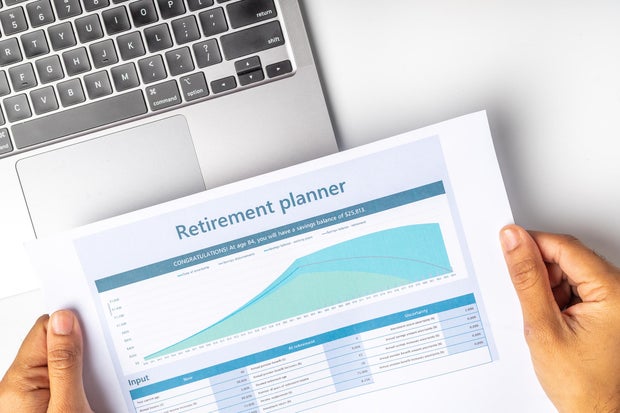
High inflation requires re-evaluating some assumptions in your retirement plan. Inflation affects everything from savings goals to withdrawal strategies. Planning for retirement involves estimating future expenses, the longevity of savings, and investment returns.
Challenges Faced Due to Inflation
According to New York Life’s 2026 Wealth Watch Midyear Outlook, 61% of Americans have a financial strategy, up from 58% last year. Despite careful planning, inflation can alter expected costs. The study reveals only 52% are confident their retirement savings will last a lifetime. While price increases have slowed, many everyday expenses remain high, affecting retirement plans significantly.
Retirement Savings and Inflation
Inflation impacts purchasing power. If prices rise 3% annually, $50,000 today becomes $67,000 in 10 years. Periodically recalculating expected expenses using current costs can provide a clearer target. Those still working may need to increase contributions, extend savings timelines, or adjust other plan aspects to address potential gaps.
Adjusting Withdrawal Strategies
Inflation influences withdrawal amounts from retirement portfolios. As housing, insurance, and food costs rise, maintaining the same withdrawal amount might require budget cuts elsewhere. Larger withdrawals can risk depleting funds sooner, especially during weak investment returns. Retirees may need to adjust withdrawal strategies, discretionary spending, and cash availability for short-term needs.
Investment Portfolio Considerations
Inflation affects asset roles in a portfolio. Cash and fixed-income investments can lose purchasing power if their returns don’t match inflation. Stocks offer long-term growth but come with volatility. Treasury Inflation-Protected Securities (TIPS) provide protection against inflation. It’s crucial to review the portfolio balance between principal preservation, income generation, and growth potential.
Social Security and Rising Costs
Social Security benefits receive annual cost of living adjustments (COLAs) to match inflation. In 2026, the COLA was 2.8%. While helpful, retirees shouldn’t rely solely on these adjustments. Individual expenses may outpace COLA increases, making it necessary to evaluate Social Security as part of a broader income plan.
Retirement Timeline Adjustments
Persistent inflation may influence retirement timing decisions. Rising prices might increase monthly income needs, pressuring savings if retiring as planned. Delaying retirement provides more time to contribute to accounts, reduces support years, and potentially increases Social Security benefits.
Conclusion
Inflation doesn’t derail retirement plans but can make outdated ones less effective. Higher prices affect savings, income needs, and portfolio longevity. Revisiting plan assumptions periodically, especially after significant cost of living changes, is helpful. Small adjustments early on prevent larger discrepancies later in retirement.
Leave a Reply